As Russia’s full-scale invasion of Ukraine nears its 4th year, the EU moves toward military self-sufficiency amid concerns over Trump’s commitment to collective defense.
A surge of nationalist victories across Central Europe is creating new obstacles for EU aid to Ukraine, as leaders in Slovakia, Austria, Croatia, and Hungary align with Viktor Orbán's pro-Moscow stance amid mounting public frustration over war-related economic pressures.
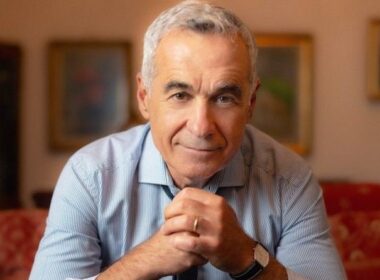
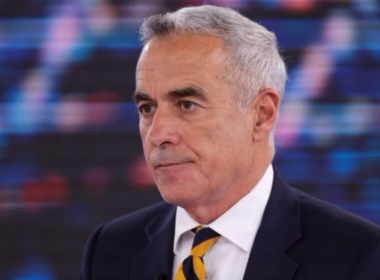
Earlier, the far-right politician who had won the first round of the elections said that if he were to win the presidency, he would stop the export of Ukrainian grain through Romania and suspend aid to Kyiv.
He claimed that Bucharest owes no obligations to NATO, asserting that the country’s focus should be on the happiness of its people, not defense spending.
Romania's Social Democrats won, but a surge in far-right votes led to a fragmented parliament, complicating coalition talks amid concerns over Russian influence.
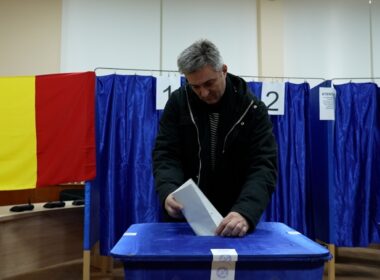
Social media strategy, not foreign policy views, propelled anti-NATO candidate Călin Georgescu to a stunning first-round victory in Romania's presidential election, former Foreign Ministry advisor Eusebiu Slavitescu told Euromaidan Press.
Romania's establishment was stunned when TikTok-powered outsider Călin Georgescu leapt from 6% in polls to 22.94% in Sunday's presidential vote, but former foreign ministry counselor Eusebiu Slavitescu sees social media algorithms at work, not shifting allegiances.
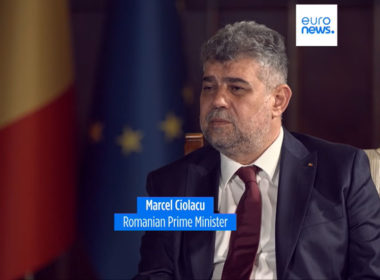
Romania's current leadership supports Ukraine, but today's presidential elections and the upcoming parliamentary elections on December 1 could potentially alter the country's stance on this support.
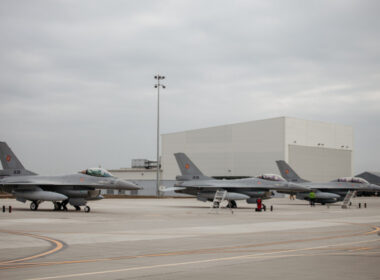
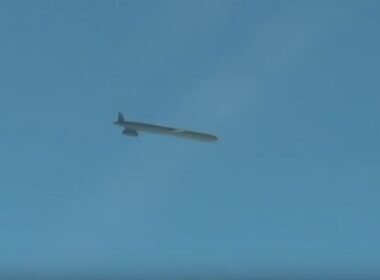
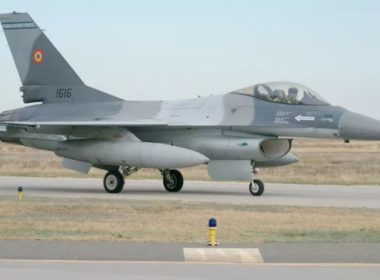
Four fighter jets were scrambled by Romanian authorities on 19 Oct. after detecting an unidentified flying object that penetrated up to 45 kilometers into the country's eastern region.
This initiative, proposed through the Ukraine Defense Contact Group's "Ramstein" format, will be funded by international contributions, with the UK providing initial financing.