


Russia's most-used map service has quietly painted over scores of sensitive sites near its northwestern border, and in doing so showed where they sit, according to Militarnyi. A joint Nordic-Baltic team of reporters counted the blurred spots and traced most of them to Russia's military and arms industry. The cover-up only began after Ukrainian drones started reaching deep inside the country.
A map that hides and reveals at once
The Swedish outlet SVT Verifierar found that Yandex, Russia's main online map service, has blurred 119 objects near the western border. It ran the investigation with Denmark's DR, Norway's NRK, and the Baltic outlet Delfi. The Ukrainian outlet Militarnyi reported the count.
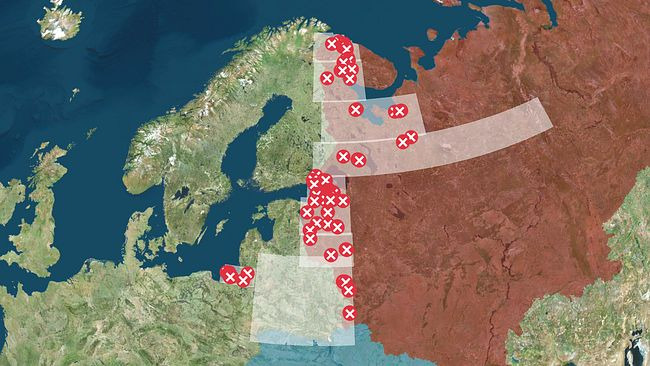
The blurring is new. As recently as 2018, Yandex showed no pixelated patches inside Russia at all. Experts point to a "Streisand effect," the way an attempt at censorship can draw even more attention to a place than leaving it alone would.

What the blurs cover
Reporters sorted the 119 sites into clear groups, and the largest tie straight to Russia's war machine:
- 31 linked to the defense industry, repair, and research
- 29 air bases
- 16 air-defense, radar, and communications sites
- 12 naval bases, shipyards, and repair yards
- 11 logistics, fuel, and ammunition sites
- 6 garrisons and training grounds
- 4 nuclear-weapons sites
- 4 space-activity sites
- 3 nuclear power plants or nuclear-energy research sites
- 3 military sites of unknown purpose
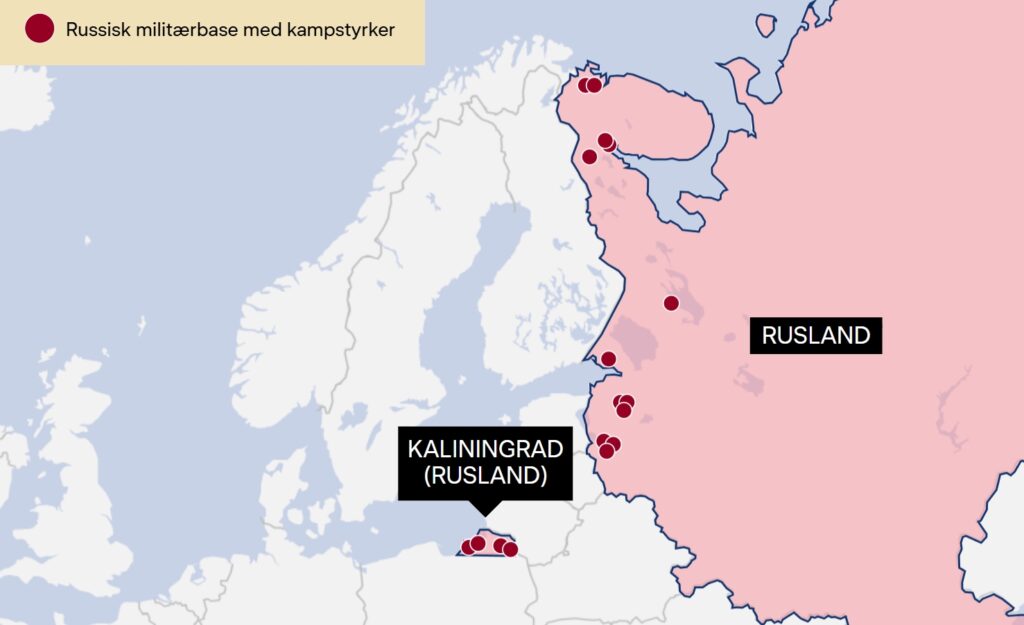
One of the clearest examples is the Yantar shipbuilding plant in Kaliningrad Oblast, reduced to a gray smear on Yandex.
Why the smudges appeared
The blurring traces back to Ukraine's deep-strike campaign. In December 2024, a Moscow court ordered Yandex to mask the Ryazan oil refinery after Ukraine struck it several times. A supervisory agency told the court that open map data exposed a strategically important site, and the court agreed the exposure undermined Russia's defense and slowed military supply.
A nuclear-weapons expert, Matt Korda, told the reporters the censorship was not worth the effort. Analysts can get around it through other imagery providers, he said, and adversaries can watch the same sites with their own military satellites.

Russia can’t attack NATO right now—ISW explains what the new border bases are really for
A wider buildup behind the border
The blurred sites cluster where Russia faces its Nordic and Baltic NATO neighbors. Intelligence services in Denmark, Sweden, Norway, and Finland warn that Russia's expanding bases along the Nordic and Baltic frontier could pull the alliance and Russia into a dangerous standoff. Danish sources see signs of preparation for a possible large-scale conflict in the Baltic Sea region.
Senior officers say any first fighting could start near Denmark or the Baltic states. No firm Russian decision to attack exists, the sources stress, but the groundwork is underway. A separate satellite study found Russia building new sites for up to 115,000 troops along that border, and reviving Soviet-era garrisons near Finland.
Read also
-
NATO’s former second-in-command says what the alliance won’t: only Russia’s defeat ends the war
-
After drone incursions in the Baltics, Ukraine’s bomb shelter know-how draws official interest
-
ISW: Russia prepares the ground for Baltic aggression as its spy agency threatens Latvian “decision-making centers”


