

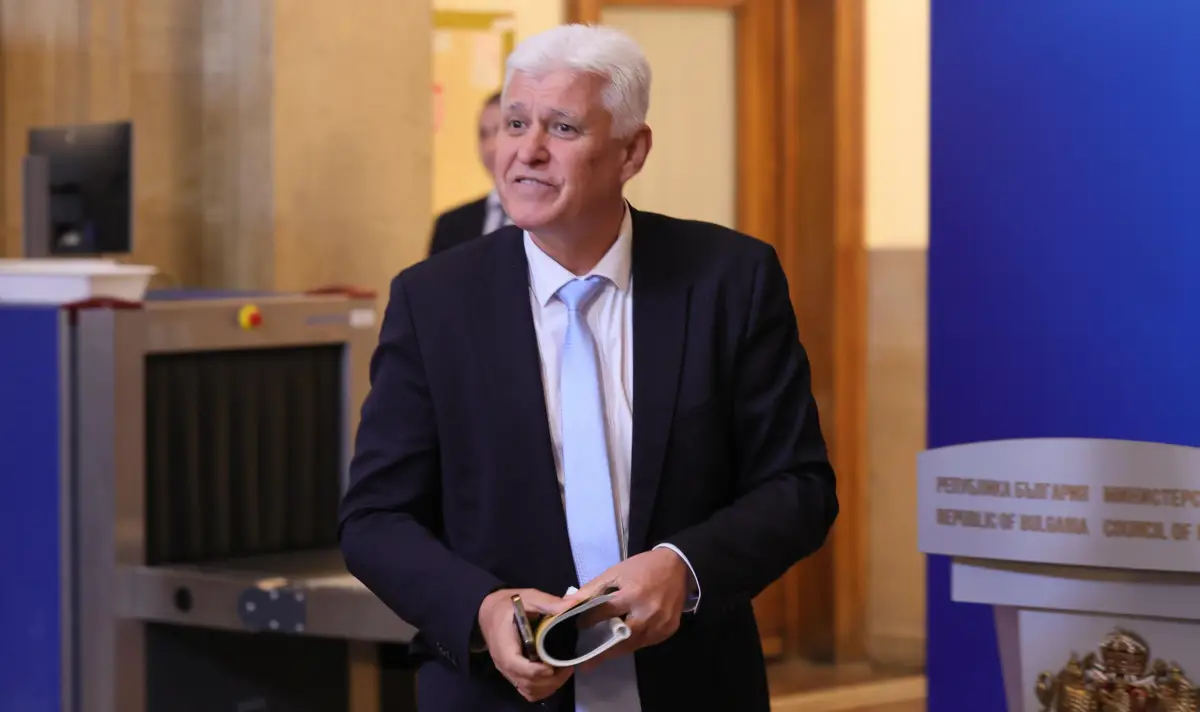
Bulgaria's new government plans to stop supplying weapons to Ukraine, a shift that breaks with the European Union's push to pressure Russia, Bloomberg reported. The country's Defense Minister tied the move to a call for negotiations rather than arms, echoing a prime minister who has long been hostile to military aid for Kyiv.
Government's excuses
Bulgarian Defense Minister Dimitar Stoyanov told reporters in Sofia on 9 June that his government would end weapons deliveries to Kyiv.
"Ukraine needs more people, not more armament," he stated, and called instead for a "just peace that will be defined by both sides participating in the conflict."
He added that the EU's role in any peace process is "extremely important." But the Bloc would struggle to act as a mediator, he claimed, after assisting Ukraine throughout the war.
Hungary unblocks $7.7 billion in EU arms payments after dropping two-year veto on Ukraine aid
A prime minister who opposes arming Kyiv
The stance reflects Prime Minister Rumen Radev, who has long held that the war cannot be won on the battlefield. Radev, a former air force commander and president until January, has repeatedly opposed the EU's military support for Ukraine. He has also called for lifting sanctions on the Kremlin, arguing they damage Europe's economy. In office for only a month, the Prime Minister has promised to expand Bulgaria's weight in joint European decisions.
A quiet arms pipeline now set to close
Bulgaria ranks among the EU's biggest producers of Soviet-standard ammunition. Those older Soviet-caliber shells proved crucial to Ukraine early in the war. The government officially refused direct military aid in 2022. Even so, Bulgarian shells reached the front through exports to other EU countries. Since 2022, Sofia has sent 13 packages of military aid, keeping their value and contents classified.
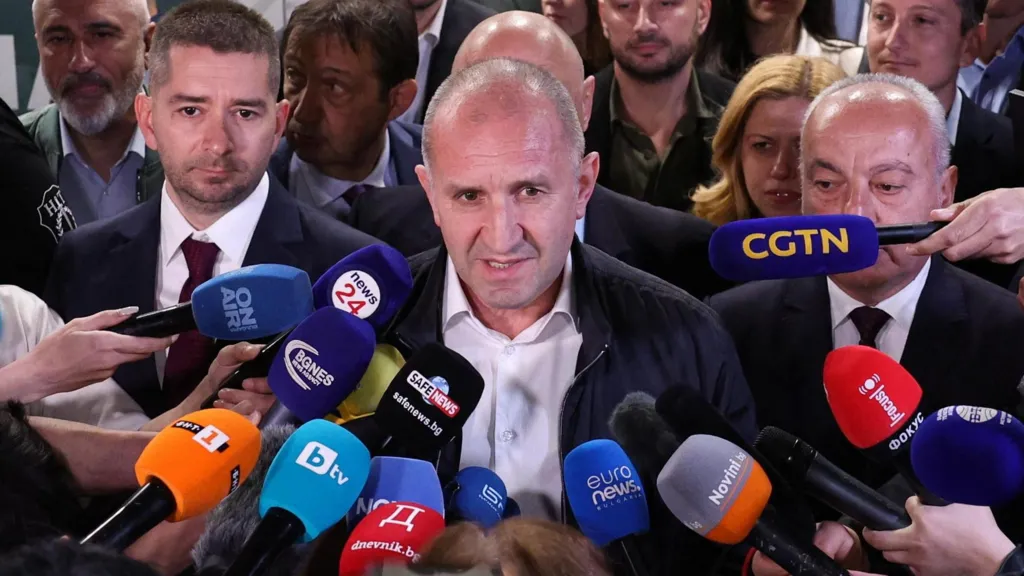
Bulgaria approves new cabinet led by Rumen Radev — the ex-president who called Crimea Russian
The timing
The plan surfaced days after the leaders of France, Germany, and Britain urged the Kremlin to accept an immediate, complete ceasefire that would open talks on a lasting deal. Moscow has rejected Kyiv's offer to meet and negotiate an end to the full-scale invasion, launched more than four years ago.
The Times earlier called the rise to power of pro-Russian Radev a strategic success for Putin.
Read also
-
Ukraine’s Defense Ministry says some suppliers cannot build weapons ordered, and drops contracts to free $346 million for front
-
Ukraine’s drone pilots hit 76.5% more Russian infantry than two months ago: 2,699 in first five days of October
-
Proven on Ukraine’s front line, now made in Germany. National Guard signs for the Linza and Zoom drones


