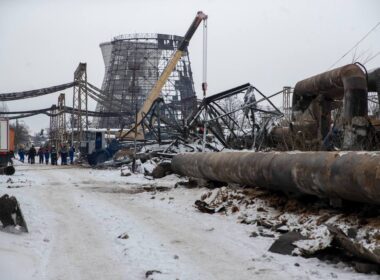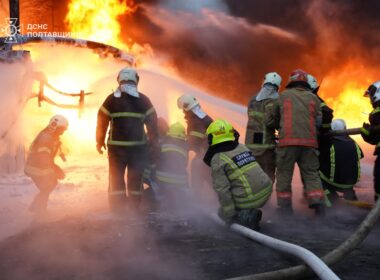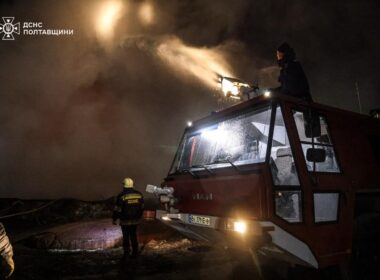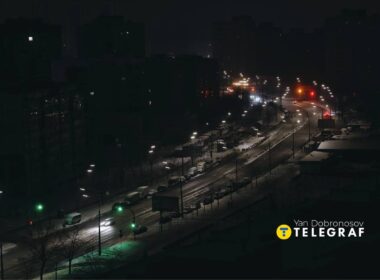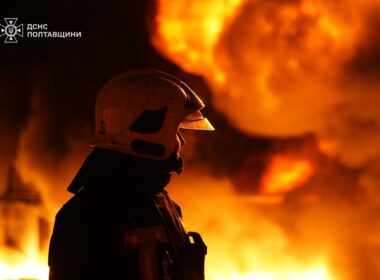

Rolling blackouts affect multiple regions as workers coordinate rapid repairs on generation sites, transmission lines, and gas infrastructure damaged in the October-November assault.
Large parts of Chernihiv have been without electricity throughout October due to Russian strikes on energy infrastructure, with city officials unable to predict when power will be restored as repair crews work under ongoing Russian drone activity.
After months of trying to disconnect and destabilize Ukraine's energy system, Russia has changed tactics to target power and gas infrastructure serving specific oblasts rather than attempting to collapse the entire system.
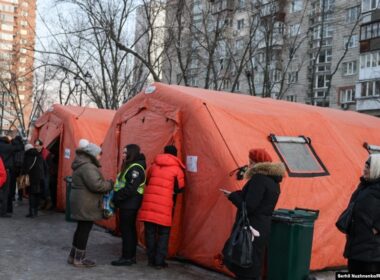
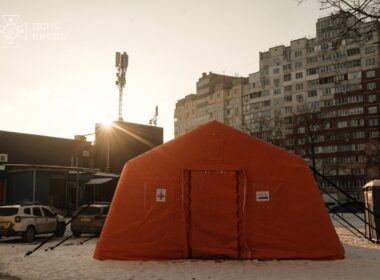
Matthias Schmale, the newly appointed UN humanitarian coordinator for Ukraine, experienced firsthand the impact of Russia's large-scale attack on 26 August, as he sought refuge in a shelter alongside millions of Ukrainians. He stressed the importance of respecting international humanitarian law.
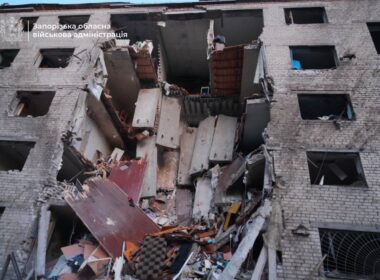
In a 24-hour period, Kherson faced both widespread shelling and a deadly drone attack, resulting in damage to energy infrastructure, homes and vehicles, one death, and one hospitalization.
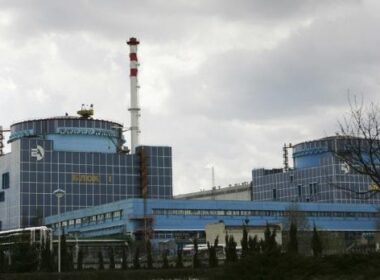
On July 16, multiple regions in southern Russia and occupied Crimea lost power, following a nuclear plant shutdown and other infrastructure failures, with one incident reportedly having smoke visible above the power plant.
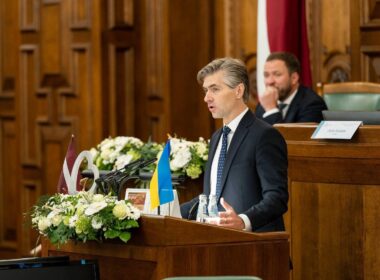
During the Ukraine Recovery Conference 2024 in Berlin, Volodymyr Kudrytskyi, head of Ukraine’s energy company Ukrenergo, and Christian Laibach, a member of the Executive Board of German KfW development bank, signed a $16 million grant agreement to purchase critical equipment and restore high-voltage substations damaged by Russian attacks.
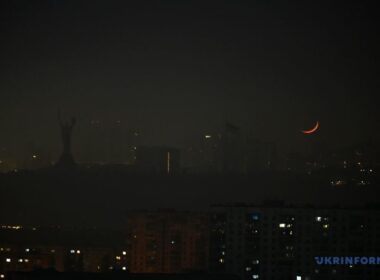
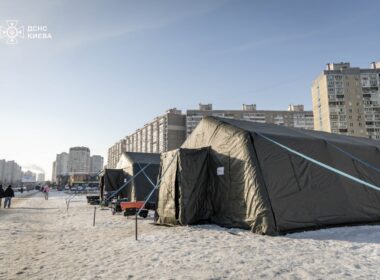
Due to increased electricity shortages after Russian strikes and cold weather, Ukraine has implemented emergency outages for industrial and residential consumers across all regions.