


Ukraine’s $8.1 billion IMF program depends on tax reforms its parliament keeps stalling. Today, 12 May, deputies vote on one—a parcel tax the IMF wanted passed by 31 March.
This is the third version of the same bill this year. The first failed in the Rada in early March with only 168 votes. The government split that package into three smaller bills. Today’s vote is a first reading on one.
The next IMF tranche, due in June, depends on visible progress.
The math explains the stall. The tax would raise UAH 27 billion ($614 million) a year—about 1.4% of Ukraine’s defense budget.
But it’s a gate condition on the $8.1 billion IMF lifeline that keeps that defense budget afloat. The next IMF tranche, due in June, depends on visible progress—small money for the MPs voting; big money for the country.
How a parcel tax became a wartime question
Fewer than 1% of parcels are currently taxed, out of the 75 million Ukraine receives each year. Volume is growing 50% annually.
The exemption was designed for small consumer imports. In wartime, it became something else. The EU eliminated similar exemptions in 2021. Ukraine is catching up to a five-year-old rule.
Beijing cut off Baltic and Polish supply routes in October 2025 after determining they funneled parts to Ukraine.
A Rating Group survey found that 29% of Ukrainians who order international parcels do so for military needs. Another 26% order for volunteer activity, and 25% for repair or production of technical equipment.
Small workshops use the parcel route to import drone components from China. Beijing cut off Baltic and Polish supply routes in October 2025 after determining they funneled parts to Ukraine. Parcels are one of the few channels left.
Russia’s drones run on Chinese parts too, via sanctions-evasion shell companies. Both sides of the war depend on Beijing’s factories. One side now wants to tax that dependence.
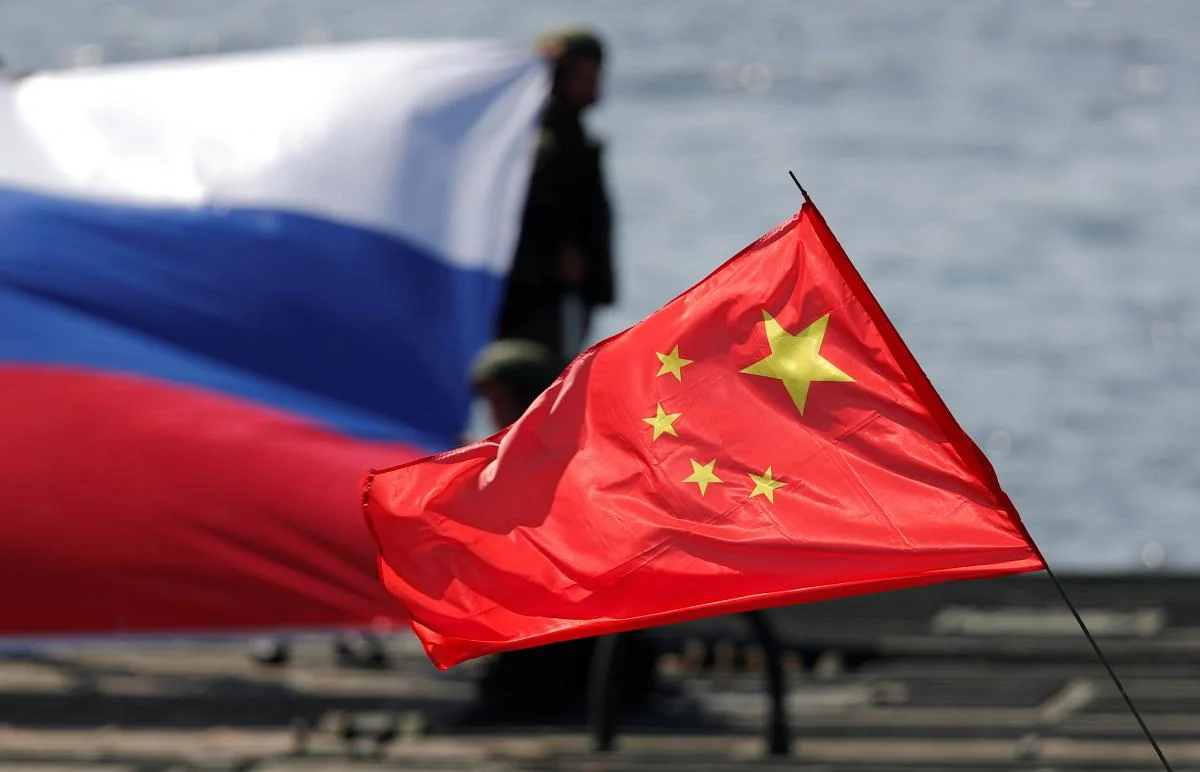
China provides 80% of critical electronics for Russian drones, intelligence agency says
The two-speed defense economy
Ukraine’s defense sector already operates at two speeds. Registered manufacturers receive VAT exemptions on imported drone components—a benefit the bill expands to armed drones.
Domestic parts pay full VAT, while Chinese imports come in tax-free.
Trending Now
The channel formal contractors use to buy Chinese parts in bulk stays open. The one volunteers and small workshops use to order under €150 ($176) closes.
Ukrainian component makers say this already disadvantages them: domestic parts pay full VAT, while Chinese imports come in tax-free. The bill leaves that arrangement in place. It taxes the informal sector. The formal one keeps its benefit.

The deadline that already passed
The IMF approved Ukraine’s new four-year loan program in February after dropping all four prior actions, including parcel duties. The conditions did not disappear.
They moved from “prior actions”—bills required before approval—to “structural milestones” that must pass during the program. The March deadline has passed.
The customs system to enforce the tax will not be ready by January 2027.
Even passage of the bill today resolves little. Committee deputy chair Yaroslav Zheleznyak wrote on his Telegram channel that the customs system to enforce the tax will not be ready by January 2027. “At the very least, there is currently no budget allocated for developing the system,” he concluded.
This pattern isn’t unique. MPs inserted untracked cash for themselves into a separate IMF-mandated tax bill last month—reform passed, loophole included.
That row of unticked boxes—judicial appointments, anti-corruption leadership, customs modernization—conditions the €90 billion ($105 billion) EU loan to Ukraine and the IMF program that hinges on it. For the workshops in basements all over Ukraine, the stakes are local. Their next order from AliExpress still arrives without VAT. The one after January 2027 might not.


