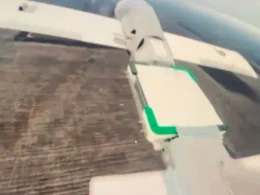
Russia is pushing Shahed drones into Ukraine's near-frontline tactical zone and escalating railway strikes as part of a single battlefield air interdiction (BAI) campaign, according to the Institute for the Study of War. ISW's 4 March assessment identified both shifts as elements of one strategy and warned that Ukrainian reporting points to further escalation heading into spring 2026.
Shaheds enter the FPV kill zone
The 15–20 km band from the front line functions as what analysts call the tactical kill zone — the strip where the saturation of tactical strike and reconnaissance drones poses an elevated risk to any personnel or equipment operating there. ISW has previously documented how that zone shapes both sides' drone operations.
On 3 March, Ukrainian Defense Ministry adviser and drone and electronic warfare expert Serhii "Flash" Beskrestnov noted a change: Russian forces are increasingly flying Shaheds into that 0–20 km band, describing activity levels, he said, that had not previously been seen there.
ISW assessed a likely logic behind the shift: Shahed drones carry larger payloads than tactical drones. That advantage allows them to damage or destroy fortified structures that survive repeated FPV strikes — a dynamic ISW has previously tied to Russian advances near Pokrovsk. Russian commanders appear to have deployed Shaheds into the kill zone specifically to exploit that payload gap — using a long-range strike weapon in terrain where FPVs dominate because smaller tactical systems cannot achieve the same effect against fortified positions.
Railway campaign: a parallel front
Alongside the frontline shift, Russian forces are deepening strikes on Ukrainian railway infrastructure within the same operational-level BAI framework. ISW's 4 March report noted that Ukrainian President Volodymyr Zelenskyy recently warned of the intensifying targeting of rail infrastructure.
On 3-4 March, Russian drones struck two trains within 24 hours — including a near-miss that came within meters of a passenger train on the Dnipro–Kovel route — and Ukrzaliznytsya reported 18 railway strikes in the first four days of March alone, damaging 41 assets.
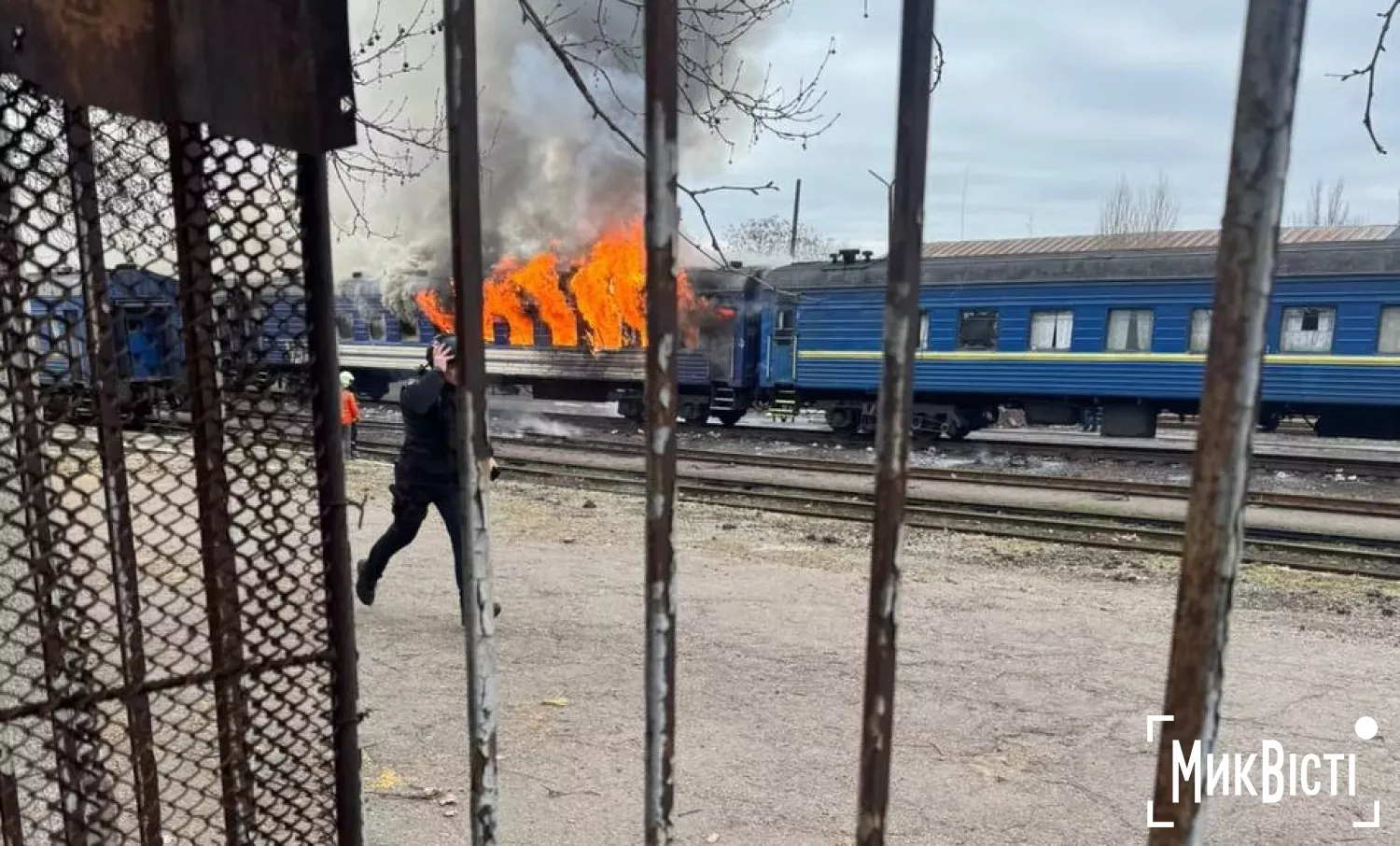
Russia struck two trains within 24 hours — and Ukrzaliznytsia says rolling stock is now a primary target
Read also
-
Ukraine’s $880M Drone Line has turned Russian movement on frontline into death sentence in just 12 months
-
Russia’s winter campaign was supposed to freeze Ukraine, split its grid, and stop its factories. None of it worked, ISW says
-
Russian armor vanishes from front lines north of Kharkiv as drones fill the gap