

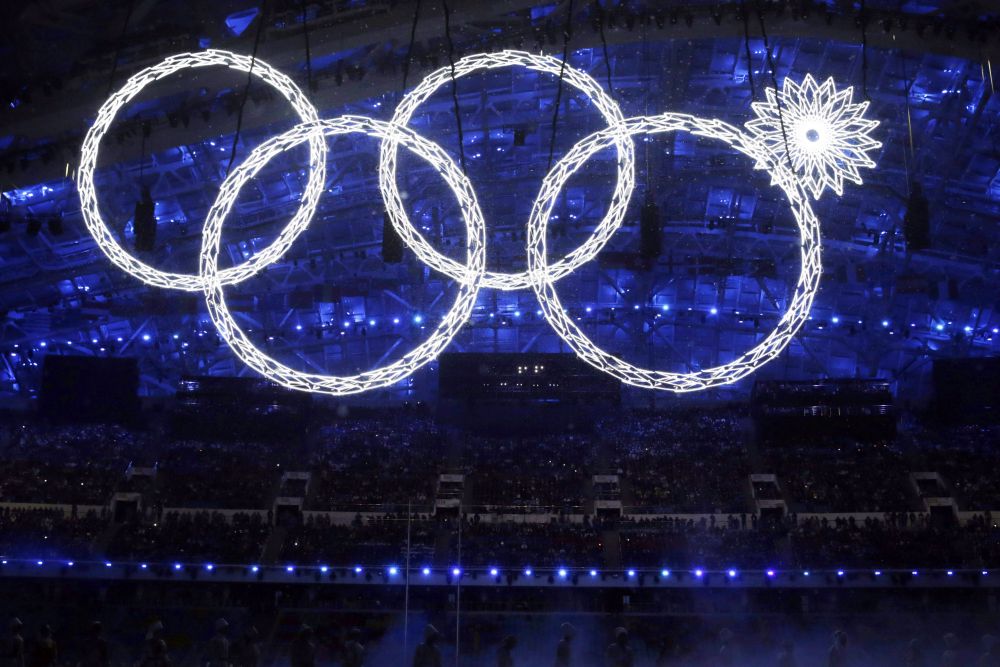
Many trace the origins of Vladimir Putin’s conviction that the West will ultimately come to accept whatever he does arose not as many think from its reaction to his invasion of Georgia in 2008 but rather from the way it responded – or in fact, failed to respond – to his violations of norms at the time of the Sochi Olympiad, Yevgeny Titov says.
Titov, who covered the Winter Olympics there in 2014 for Novaya Gazeta, says Russia “constantly violated human rights” in the run-up to the competition in its drive to use that event for “imperial” purposes by “recalling Soviet achievements, returning to Russians a sense of being a great nation, and raising Russia’s authority in the international arena.”
As is the case with “any imperial project, the fate of an individual or of a 100 people or even a 1,000 didn't upset anyone. Bulldozers destroyed homes, magistrates kicked residents out, and bureaucrats under the wing of the state stole billions in their machinations concerning property,” Titov continues.
“When environmental activist Yevgeny Vistishko was arrested (and then jailed), people demanded explanations but when they got them, they acted as if they believed” what Moscow was telling them because “no one wanted to spoil the party.” And that pattern, Russian action and Western action opened the way for Russia’s aggression in Crimea and the Donbas.
The West had an obligation to complain and make demands and to declare a boycott if Russia continued to violate the rules. “But instead they kindly and in a tolerant way forgave Putin.” He learned a lesson from that; it isn't clear that the West has.
Related:
- Hybrid Olympics, hybrid war with Ukraine, hybrid Russia
- Russia now at real risk of being stripped of 2018 World Cup, Trump its "last hope"
- Putin regime was a criminal one long before Crimea, the doping scandal shows
- Seven reasons why Putin's war in Ukraine is a turning point in Russian and world history
Read Also
-
“A warning to companies that remain”: Russia takes control of Nestlé and Auchan’s assets – companies that stayed in Russia following the full-scale invasion of Ukraine
-
“I can travel back to Finland and be safe. That is a luxury”: Sanna Marin on the Russian strike that stopped her train from Kyiv
-
Ukraine put its own peace proposals on the table as two US envoys reached Kyiv for the first time


