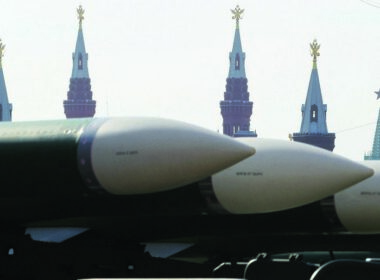
The Kremlin is leveraging the New START treaty, set to expire in February 2026, as a bargaining chip to distract Washington from finalizing a peace settlement and convince the Trump administration to concede to Russian demands on Ukraine.
The Kremlin appears focused on reshaping its ties with the US through a mix of nuclear threats and economic promises, all while refusing to engage in peace talks with Ukraine and pushing for more battlefield leverage.
Iran's most dangerous nuclear material—408kg of uranium enriched to near-weapons-grade levels—was not destroyed in US bunker-buster attacks because it had been reportedly moved from the targeted Fordow facility beforehand.
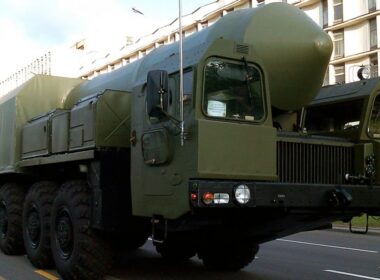
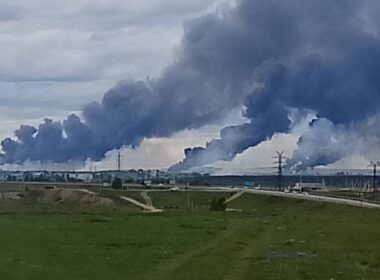
By using strategic bombers and dual-use missiles in its war on Ukraine, Russia has turned its nuclear delivery systems into legitimate targets — and Ukraine is hitting them with precision.
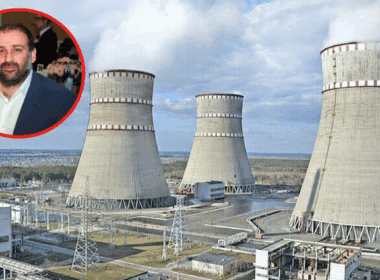
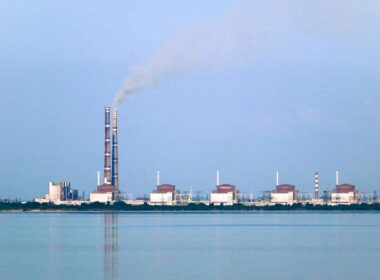
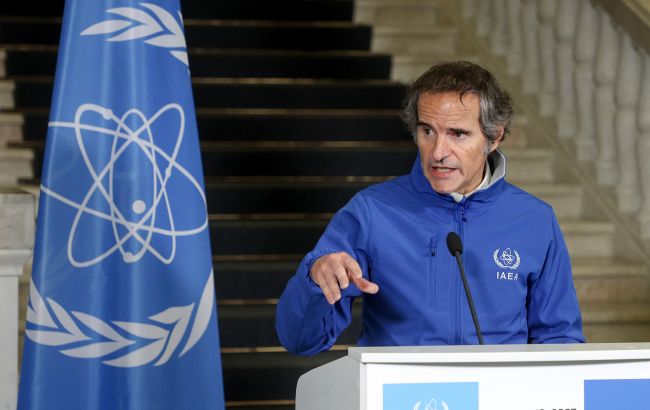
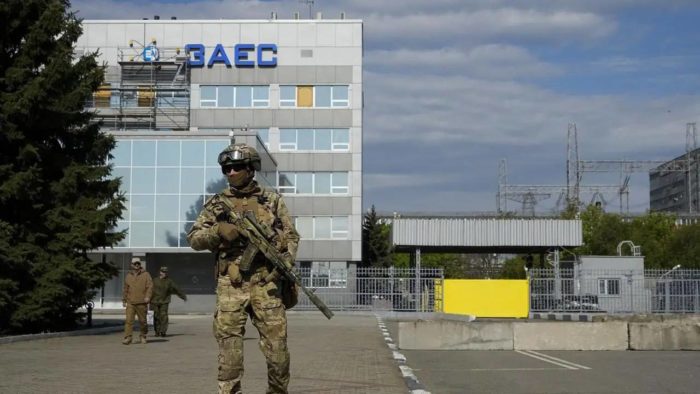
The largest nuclear power plant in Europe, Zaporizhzhia, remains in cold shutdown and powered by Ukraine’s own grid, with no spare parts or qualified personnel available to maintain it. Yet, Russia is reportedly building power lines to forcibly reconnect the station, raising fears of a nuclear crisis across the continent.
At the May 9 parade in Moscow, Vladimir Putin declared that Russia would achieve its strategic goals in the war against Ukraine. In his speech, he referred to Sevastopol and Odesa as part of Russia’s “greatness.”
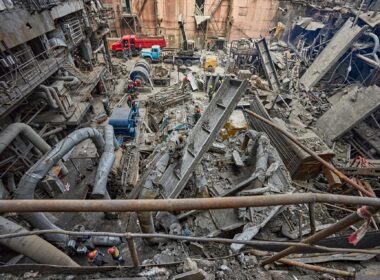
With the damage still under assessment, the international community faces a critical decision on how to fund the extensive repairs needed to prevent further environmental risks.