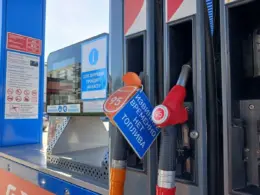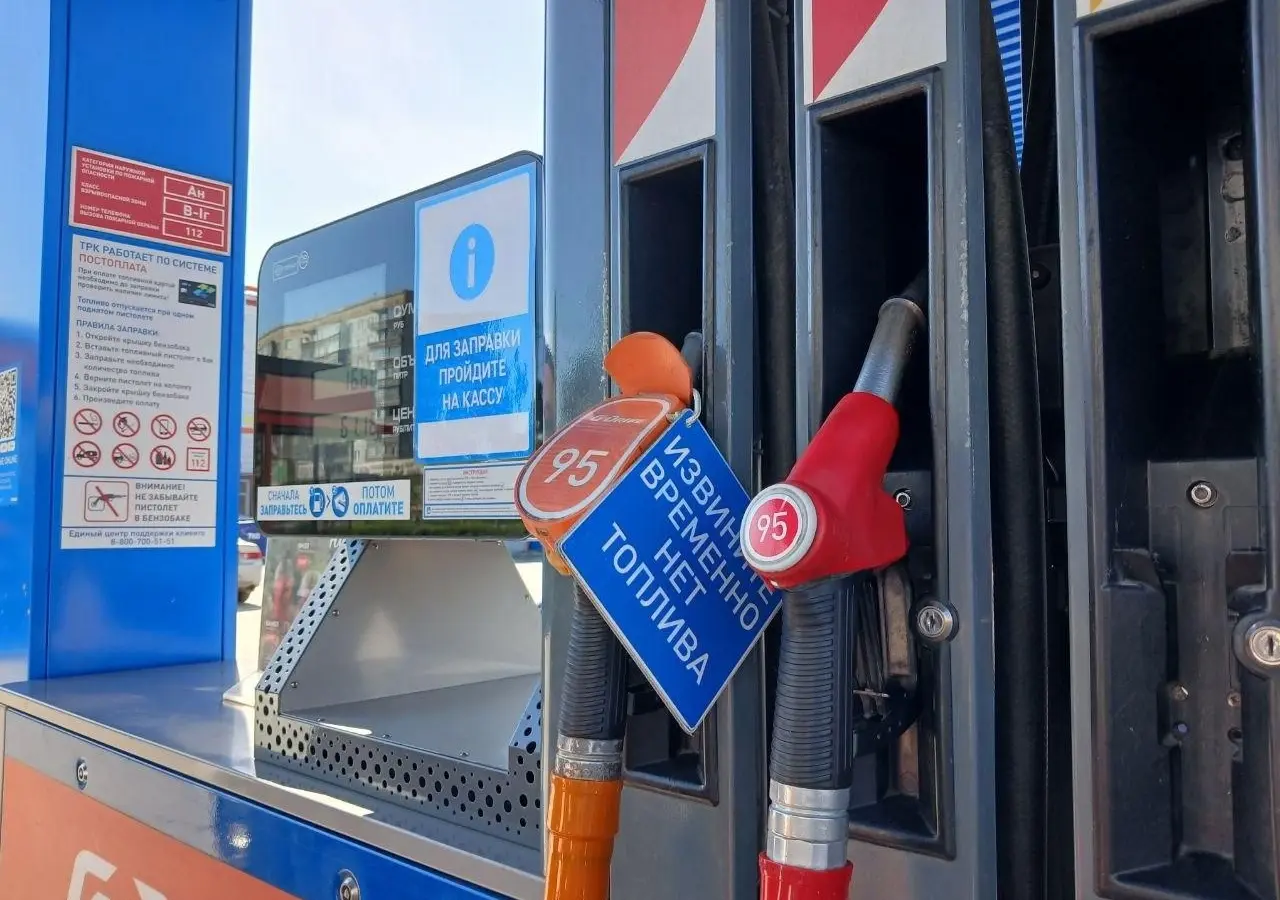
Russia can’t refine its way out of its fuel crisis, so it is changing who controls the already existing fuel. Months of Ukrainian drone strikes on refineries have driven shortages and rationing across much of the country. The government’s answer isn’t more fuel—it is a different market.
Faced with the shortage, the Kremlin had options. In June, analysts urged it to raise the exchange quota to push more fuel onto the open market and toward the regions running dry.
The government’s answer isn’t more fuel—it is a different market.
It did the opposite. The mandatory share of gasoline that producers must sell on the open exchange was cut from 15% to 10%, with the majors pushing for 2%, and the exchange was closed to anyone but buyers who will use the fuel themselves, shutting out traders who bought to resell.
That choice adds no fuel. It moves distribution off the exchange that set prices for a decade and into direct contracts between the big producers and the buyers they pick—handing the majors the chain from refinery to pump. Part of the package came straight from proposals Rosneft head Igor Sechin sent to President Vladimir Putin.
Winners and losers
The winners are the big, vertically integrated oil companies, which refine up to three-quarters of Russia’s oil. Direct deals let them keep the margin that once went to middlemen and choose who gets supplied; drop the quota to 2%, and about 5 million tonnes of gasoline a year move into their private channels.
The losers are the independent stations—60% to 72% of Russia’s roughly 25,000 gas stations, depending on who’s counting, and now unable to buy at the exchange price.
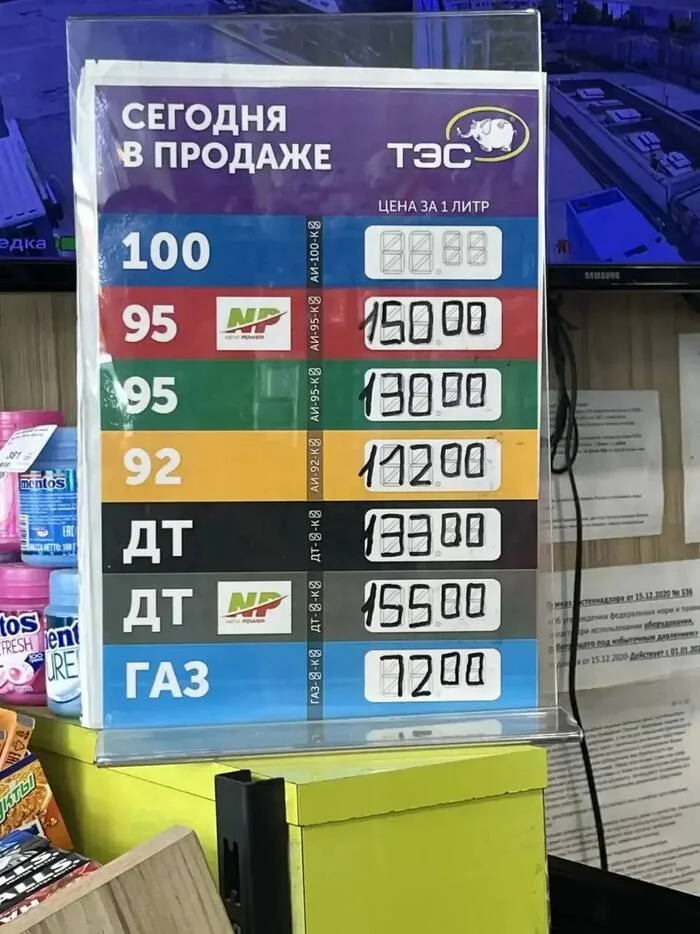
Alexander Moiseev, who owns the Kostroma Fuel Company, has been hauling gasoline from Surgut, 2,000 kilometers away, at 118 rubles a liter ($1.45) with freight, because the majors won’t sell to him wholesale. He works on a minimal markup. Rosneft, meanwhile, has multiplied sales at its own pumps.
What stabilization there is has been narrow. Prices eased mainly where supply was steered—Moscow, St. Petersburg, the big cities—while regions thick with independent gas stations stayed short, independent analyst Kirill Rodionov told Kommersant.
None of this is hidden. Facing the crunch, the government also let refiners sell banned Euro-2 gasoline again; online marketplaces pulled fuel listings; and Deputy Prime Minister Alexander Novak called the market “challenging but under control.”
In occupied Crimea it goes furthest: this week, the occupation authorities announced fuel sales were stabilizing, even as they capped each car at 20 liters and fixed the price of AI-92, the Crimean Tatar Resource Center reported.
Trending Now

The market goes dark
As the exchange shrinks, its prices no longer reflect the market, and the state publishes less information on output, stocks, and regional supply. The people who most need to see where Russia’s fuel balance is breaking—regulators at home, and the sanctions monitors and energy analysts abroad who read that data—are left with less to look at, market participants told Kommersant. The market is going dark.
Whether the change sticks is contested. Some read the cuts as a passing emergency. Others expect the market to keep sliding toward closed, bilateral deals—less transparent, harder for newcomers, the independent stations ever more tied to the majors, Viktoria Trifonova, Senior Analyst at Yakov & Partners, told Kommersant. The state has reached for limits, subsidies, and hands-on redistribution ever since the 2018 price crisis.
Keeping the independent gas station chains alive was never the goal, NEFT Research’s Dmitry Prokofiev wrote in Kommersant—it was to keep fuel flowing to the big cities of European Russia and, above all, to the priority government sector.