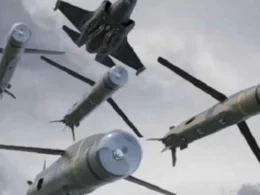
The United States and Ukraine are working together to put fresh missiles into Ukraine's aging Soviet-era S-300 air defenses, retired US Army colonel Robert Hamilton told PBS NewsHour. These long-range systems shoot down aircraft, but the missiles that feed them have been depleted. The effort—retrofitting old rounds or building a newer variant—would revive launchers Ukraine already owns.
Ukraine's air defense runs on a shrinking supply of interceptors, with Russian ballistic and drone strikes outpacing what allies can ship. The chokepoint is production capacity, not willingness—and Hamilton frames the S-300 rebuild as one of the slower-burn fixes that ease the strain on scarce Western systems rather than replace them.
A working system near the end of 2026
Hamilton, who heads the Delphi Global Research Center, said the joint effort should come online near the end of 2026 and could turn out "100 or a couple of hundred" anti-aircraft missiles a year. He described the work as an effort to "essentially retrofit or upgrade the old S-300 missiles or a newer variant of the S-300" and give the system better capabilities.

Ukraine drones hit Crimea’s S-300/S-400 near Kerch—and knocked out power across four occupied territories overnight
In September 2024, then-US Defense Secretary Lloyd Austin announced at the Ramstein contact group that Washington, in partnership with several European companies, was working with Ukraine to "design and build a substitute" for the Soviet S-300 and the R-27 air-to-air missile used by fighter jets. He never spelled out what that substitute would be.
Why Ukraine's S-300s ran law
When Russia launched its full-scale invasion in 2022, Ukraine held roughly 25-30 S-300PT/PS battalions in varying states of readiness. As the missiles ran out, Kyiv came to lean on Western air defense systems and interceptors while Russia keeps launching mass strikes.

“Very good results” – Wave of Ukrainian strikes across Russia and Caspian Sea overnight target warships, air defenses, logistics
Anything Ukraine can build or rebuild on its own soil is a supply that no foreign stockpile or political fight can cut off.
That same logic is pushing Kyiv toward co-producing Patriots with US firms and fielding its own ballistic interceptor—a race to turn air defense into a domestic industry before the next winter of strikes.
Read also
-
Investigators say prosecutors shielded scam call centers. Their office has now fired eight people and is checking how its ex-chief left Ukraine
-
Trump says Russia agreed to supply millions of tons of diesel to US and global markets as he blames Ukraine for fuel price hikes driven by Iran war
-
Head of Russian military propaganda network to be expelled from Montenegro over suspected anti-EU operation