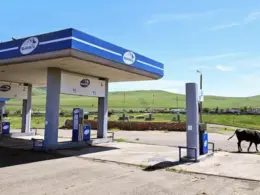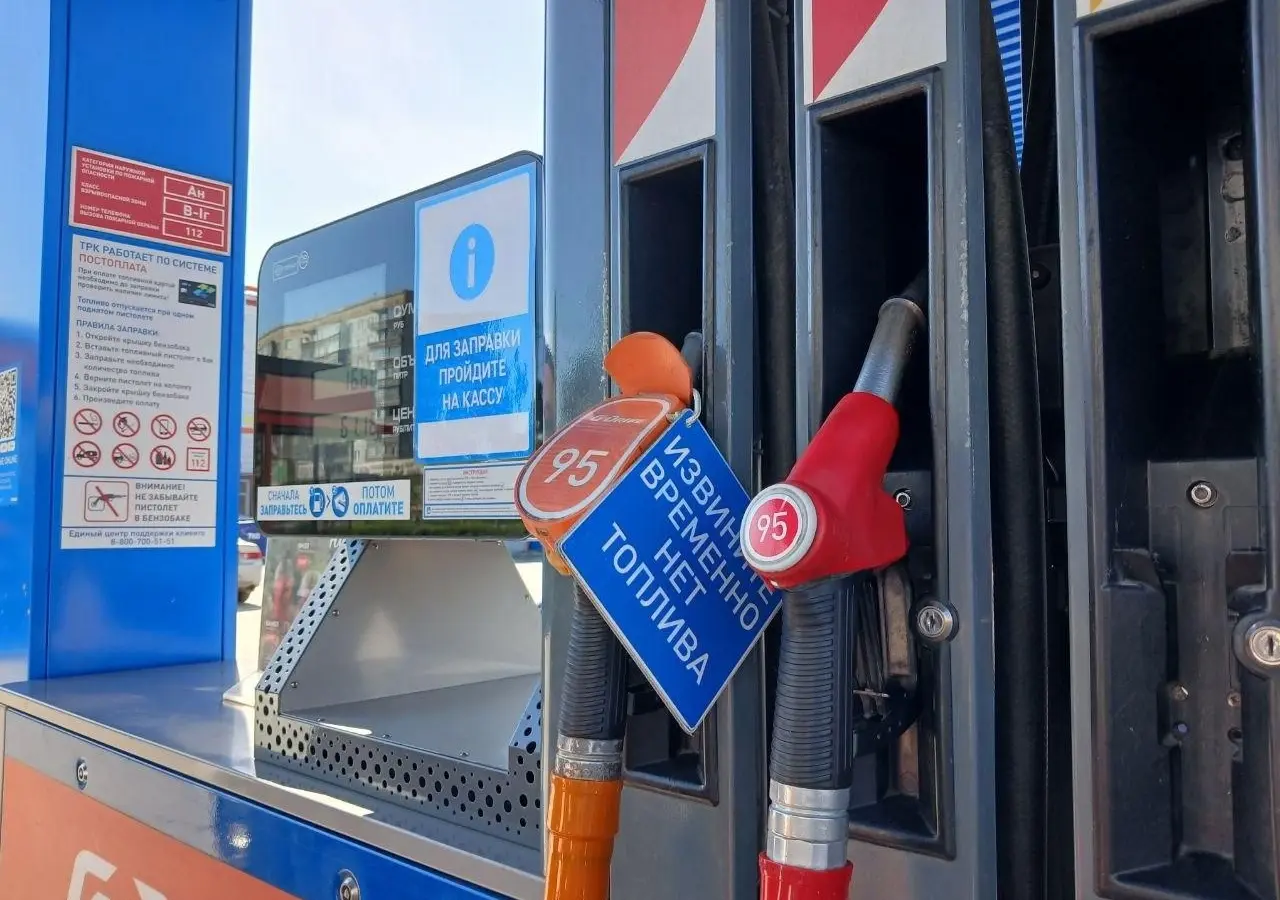
Russia’s Agriculture Ministry has asked every region whether its farms will buy furnace oil—fuel made for boilers and industrial ovens—and diesel up to 90 times dirtier than the standard farms fueled with last year, an official downgrade the ministry turned to as attacks on refineries cut the country’s fuel supply, the Russian business daily Kommersant reported, citing a 17 July letter it obtained.
What 90 times more sulfur does
Euro-5 diesel, the standard Russian farms bought last season, caps sulfur at 0.01%, while the ministry’s letter asks about fuel with up to 0.9% sulfur. The difference is made by hydrotreating units at refineries—the equipment that strips sulfur out of fuel—and Ukraine’s drone campaign has been destroying exactly that.
The ministry is most likely mapping demand for straight-run diesel from mini-refineries or from large plants whose hydrotreating sections have been damaged, one Kommersant source said—statistics no one in Russia had ever collected before.
Furnace oil can run only Soviet-era tractors—for modern imported machines, it is forbidden.
The letter, signed by the ministry’s crop farming department director Andrei Artikulov, gave regional agriculture bodies three days to report which farms want the degraded fuel and in what monthly volumes, according to Kommersant. The Energy Ministry has confirmed the fuel can be produced, the letter says.
The government had already legalized the circulation of Euro-3 gasoline and diesel through the end of 2026—and considered going back to Euro-2, a standard Russia abandoned years ago, the paper’s sources said.

Fine for a Soviet tractor, forbidden for a modern one
What the downgrade does to a machine is not in dispute. Raising sulfur content fivefold cuts an engine’s service life in half, and repairing a modern combine or tractor costs many times more than the fuel savings, Lazarevskoye farm director Kristina Romanovskaya told Kommersant.
Furnace oil, she said, can run only Soviet-era or early-Russian tractors and trucks—for modern imported machines, it is forbidden. The problems are soot and clogged filters, fuel pumps, and injectors, another industry source told the paper, adding that farms that service their own aging fleets “will cope.”
Farmers had already been doing this out of desperation—now it is policy. A week earlier, Rostov Oblast farmer Aleksei Zhdanov described pouring low-grade Euro-3 into his imported tractors—wrecking them at double last year’s price, 130 rubles ($1.66) a liter—because nothing else reached his farm.

Trending Now
The shortage behind the letter
Russian refining fell in June to its lowest level in years, according to Kpler data cited by Kommersant, after Ukrainian drones reached all 10 of Russia’s largest refineries in two months.
The stakes run past Russia’s borders: Russia is the world’s largest wheat exporter, and analysts have cut its July export forecast by 13–20%, naming diesel restrictions among the causes alongside a late harvest start and shipping limits at the Azov port.
By 20 July, the SovEcon center had cut its estimate again, to the lowest July export volume since 2017, mainly due to navigation restrictions through the Kerch Strait. Russian media describe the cause of the shortage as “unscheduled repairs” at refineries; the repairs follow the strikes.

The rest of the fuel system is improvising too. The government restricted diesel exports from 8 July to keep fuel inside the country, and Deputy Prime Minister Alexander Novak said on 15 July that the effect was already visible, Kommersant reported.
Krasnodar Krai’s governor asked Moscow to raise his region’s monthly fuel quota, Rostov Oblast negotiated extra deliveries, and Stavropol appointed a regional fuel operator for small farms.
In occupied Crimea, 86 stations resumed open gasoline sales—rationed by QR codes issued a day in advance, 20 to 40 liters per car, Vechernyaya Moskva reported. In Tyumen, businesspeople are being pitched private mini-filling stations built around single storage tanks, the same outlet said.
Agriculture Minister Oksana Lut acknowledged on 17 July that fuel supply for farmers has “roughnesses on the ground,” Kommersant reported. The ministry’s letter went out the same day.