


Radical anti-Ukrainian rhetoric became less prominent across Polish social media in July, according to an analysis published on 3 August by Gremi Personal, a recruitment firm for Ukrainian workers.
Gremi Personal researchers monitored public Polish-language posts and comments across Facebook, X, TikTok, YouTube, Instagram, and Wykop, a Polish social news and discussion platform. They recorded less direct ethnic abuse, collective blame, calls to restrict Ukrainians' rights, and justification of violence than in the previous period.
Polish social media posts condemning xenophobia and attacks on Ukrainians also became more visible.
Still, the result marks a shift in online discourse, not proof that attitudes across Polish society have improved. Gremi said its monitoring was not a representative opinion poll. Negative discussion around Ukrainian migration, welfare, and Polish-Ukrainian historical memory also remained widespread.
Poland's social media may be cooling faster than its streets, but nearly a million Ukrainians still held temporary protection there as of mid-April 2026 amid rising hate crimes and renewed disputes over Ukraine's honoring of the Ukrainian Insurgent Army, blamed by Poland for wartime massacres. Russia exploits the rift with disinformation.
How Polish-Ukrainian relations have worsened
Historical memory has become a sharper political fault line in Polish-Ukrainian relations since President Volodymyr Zelenskyy issued Decree 440/2026 on 26 May. The order gave a Ukrainian special forces unit the honorary title "Heroes of the UPA."
The Ukrainian Insurgent Army is remembered in Ukraine for fighting Soviet rule. Poland holds it responsible for the massacres of Polish civilians during World War II.
Polish President Karol Nawrocki stripped Zelenskyy of Poland's highest honor in June in response to the "Heroes of the UPA" decree. In July, he also sought a legal ban on the UPA's red-and-black flag.
The row followed years of Poland's far right turning Ukrainian refugees and historical grievances into wedge issues, rallying voters against Polish aid to Ukraine.
Hate-crime reports keep climbing
Reports of suspected hate crimes against Ukrainians in Poland have risen since the beginning of 2026. Ukrainians filed 180 reports of suspected hate crimes with Polish police in the first half of 2026, Rzeczpospolita reported. The newspaper cited national police data. The total was more than 30% above the same period in 2025.
These were allegations, not crimes confirmed by investigators or courts. Yet recent attacks show the danger behind the numbers.
In May, 16-year-old Ukrainian refugee Artem suffered a fractured skull in an attack on a Warsaw bridge. Police detained five teenage suspects, while Warsaw's mayor blamed increasingly hostile right-wing rhetoric.
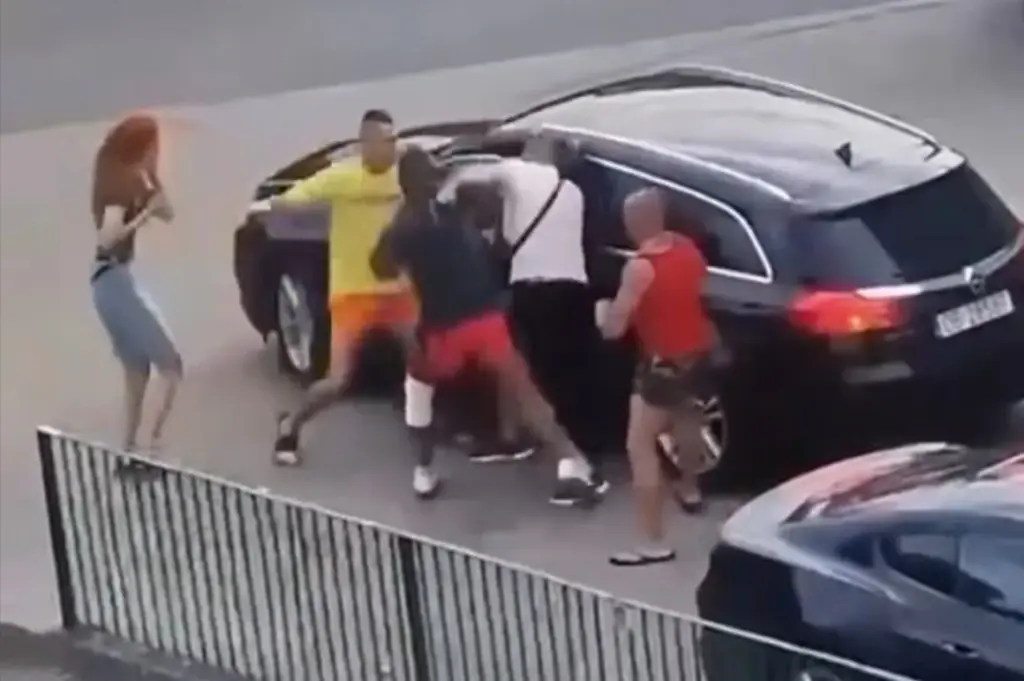
On 26 July, three men allegedly beat a young Ukrainian couple in Wrocław after asking whether the woman was Ukrainian. Investigators are treating the assault as a hate crime driven by the victims' nationality.
Days earlier in Poznań, three men beat a 60-year-old Pole after he defended a Ukrainian teenager from abuse on a tram.
Read Also
-
Ukraine’s new top commander is pushing to unwind a Soviet-inherited command model mid-war. He wants combat-tested sergeants to have real authority
-
Russia burns occupied Zaporizhzhia nuclear plant’s last-resort generators as everyday power, Ukraine says
-
“Now on the 1,657th day”: Ukraine’s crews restored power to over 900,000 homes last week as Russia keeps striking grid before winter


