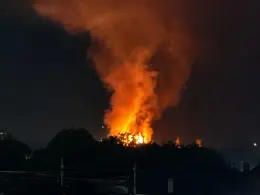
Ukrainian drones struck one of Russia's five largest oil refineries in Yaroslavl on the morning of 6 August, setting off several fires across the site, monitoring channels reported. Open-source analysts placed the blazes on the refinery grounds, while the region's governor claimed his air defenses downed the entire raid. The strike continued a months-long campaign that has pushed Russian oil refining to its lowest level in more than two decades.
Fires break out across the refinery
Ukrainian monitoring Telegram channel Exilenova+ first reported the attack around 4:00, later sharing footage that showed thick black smoke rising from several points on the site. Fire Point, the Ukrainian company that builds the FP-1 long-range drone, said Ukraine's Defense Forces hit the plant with the domestically made FP-1s. Open-source analysts geolocated one blaze to the refinery grounds. Astra, a Russian news Telegram channel, reported one fire on the plant's territory and a second it had not yet located.
One of Russia's biggest refineries
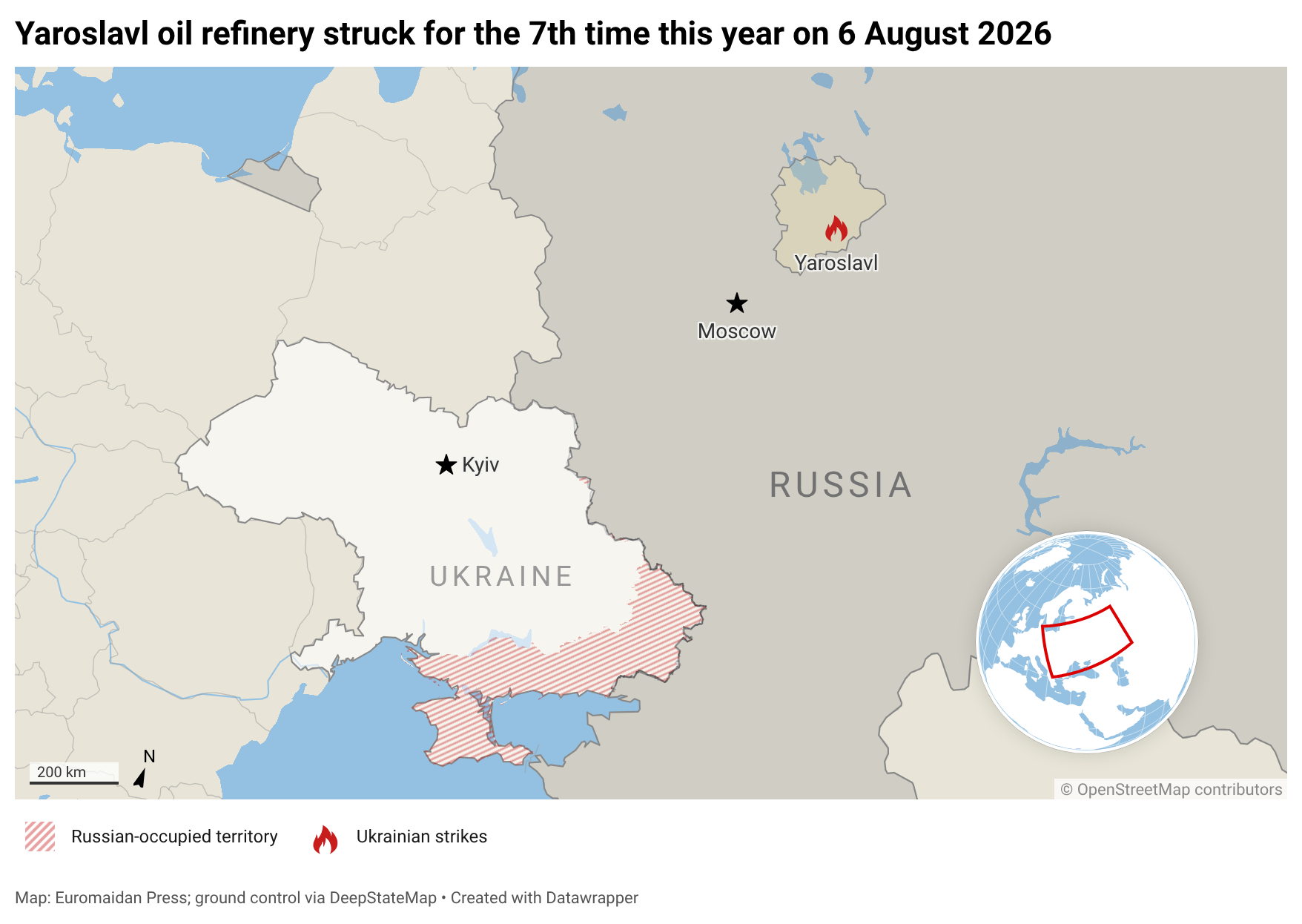
Slavneft-YANOS, also called the Novo-Yaroslavl refinery, ranks among Russia's five largest and is the biggest in the country's central regions. It processes about 15 million tonnes of crude a year into gasoline, diesel, aviation kerosene, jet fuel, lubricants, and bitumen. Rosneft and Gazprom jointly control 99.7% of its parent company, Slavneft. The plant's fuel feeds central Russian industry, airports, the Northern Railway, and military sites. It sits more than 700 kilometers from Ukraine's border.
Russia claims it downed every drone in the region
Yaroslavl Governor Mikhail Yevraev first reported the region was under drone attack around 3:00 and closed the highway toward Moscow. He later claimed the region had repelled its most massive drone raid, downing all 88 drones with no casualties. Yevraev stated that a detached house burned, windows were shattered in several apartment blocks, and residents' cars were damaged.
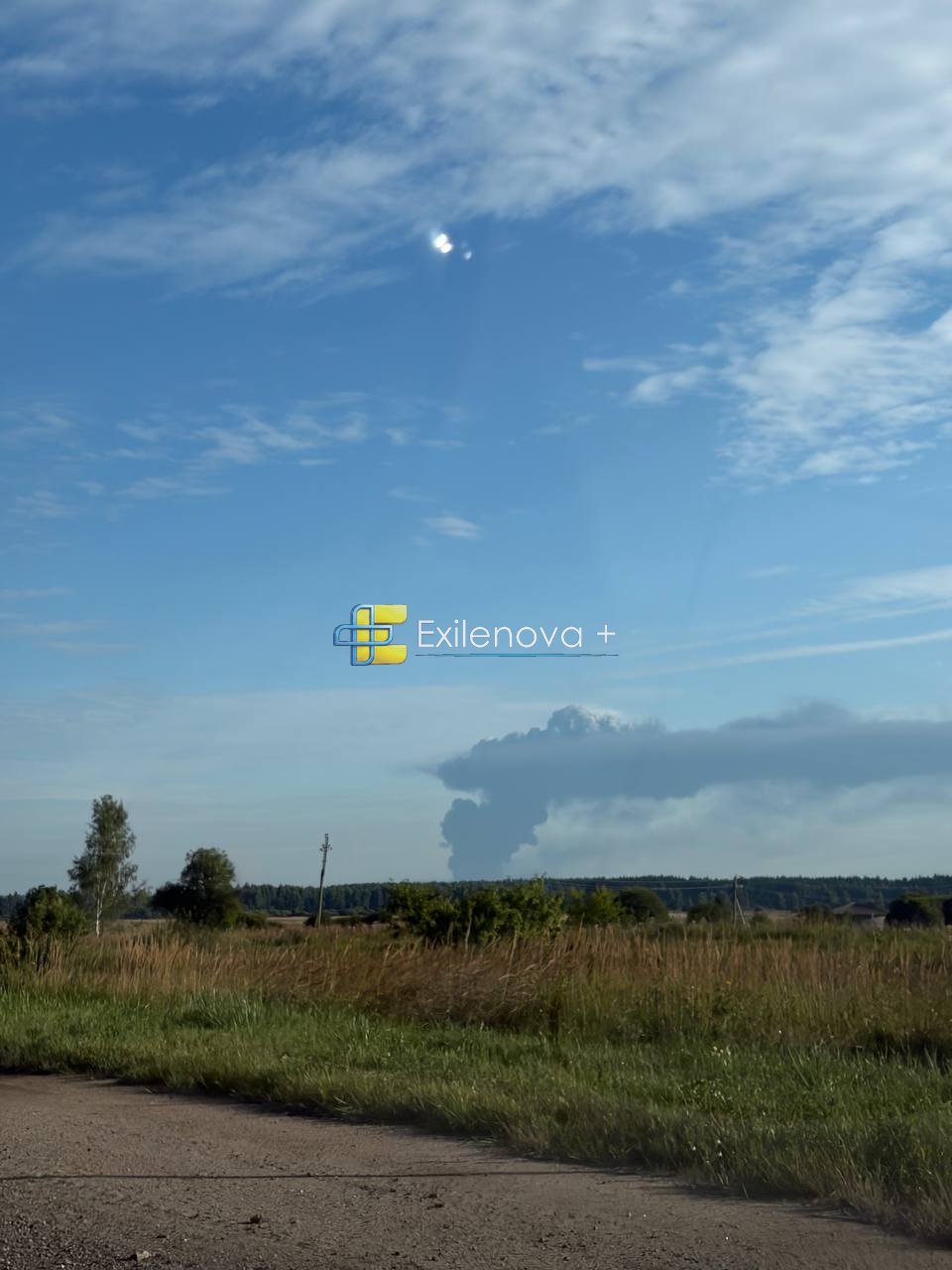
Russia's Defense Ministry claimed it destroyed 605 drones over several regions overnight.
The plant has burned repeatedly in 2026, catching fire on 28 March, 26 April, 8 and 22 May, and 6 and 16 July before the latest hit. That made 6 August the seventh strike on the refinery this year. In the 16 July attack, an FP-1 struck the plant's tank farm.
Russia's refining in retreat
Ukraine has sharply expanded its FP-1 deep strikes on refineries this year, knocking out around 26 plants. By late July, only eight had fully restarted and at least 11 partly. Seven refineries stayed idle. Russian refining fell to 3.6 million barrels a day, its lowest since May 2002.
Earlier, Moscow banned fuel exports, boosted gasoline imports from Belarus 25-fold, and turned to India and Morocco. It also let refiners sell Euro-2 gasoline, a grade banned in Russia since 2013, through 1 July 2027.