

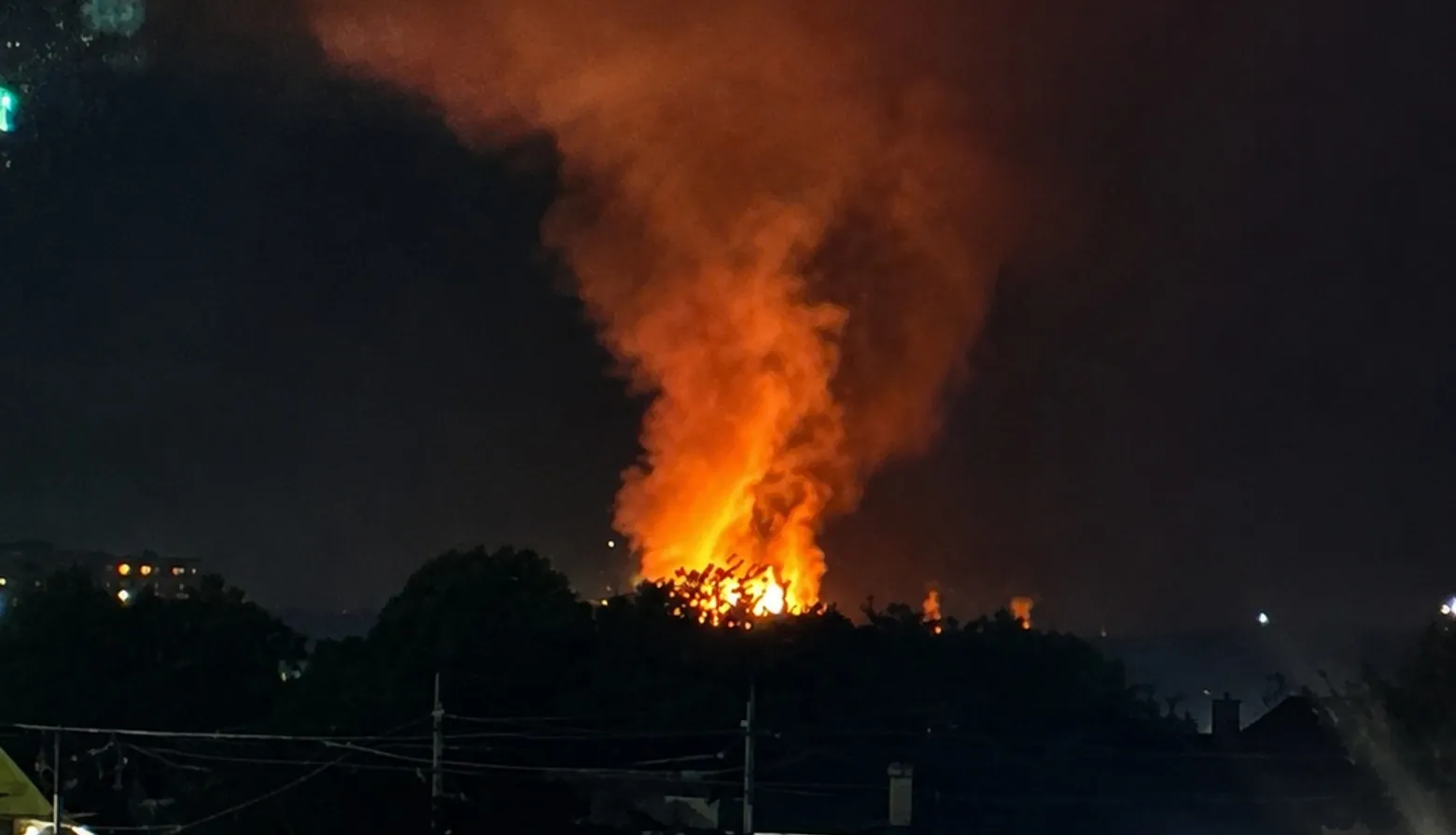
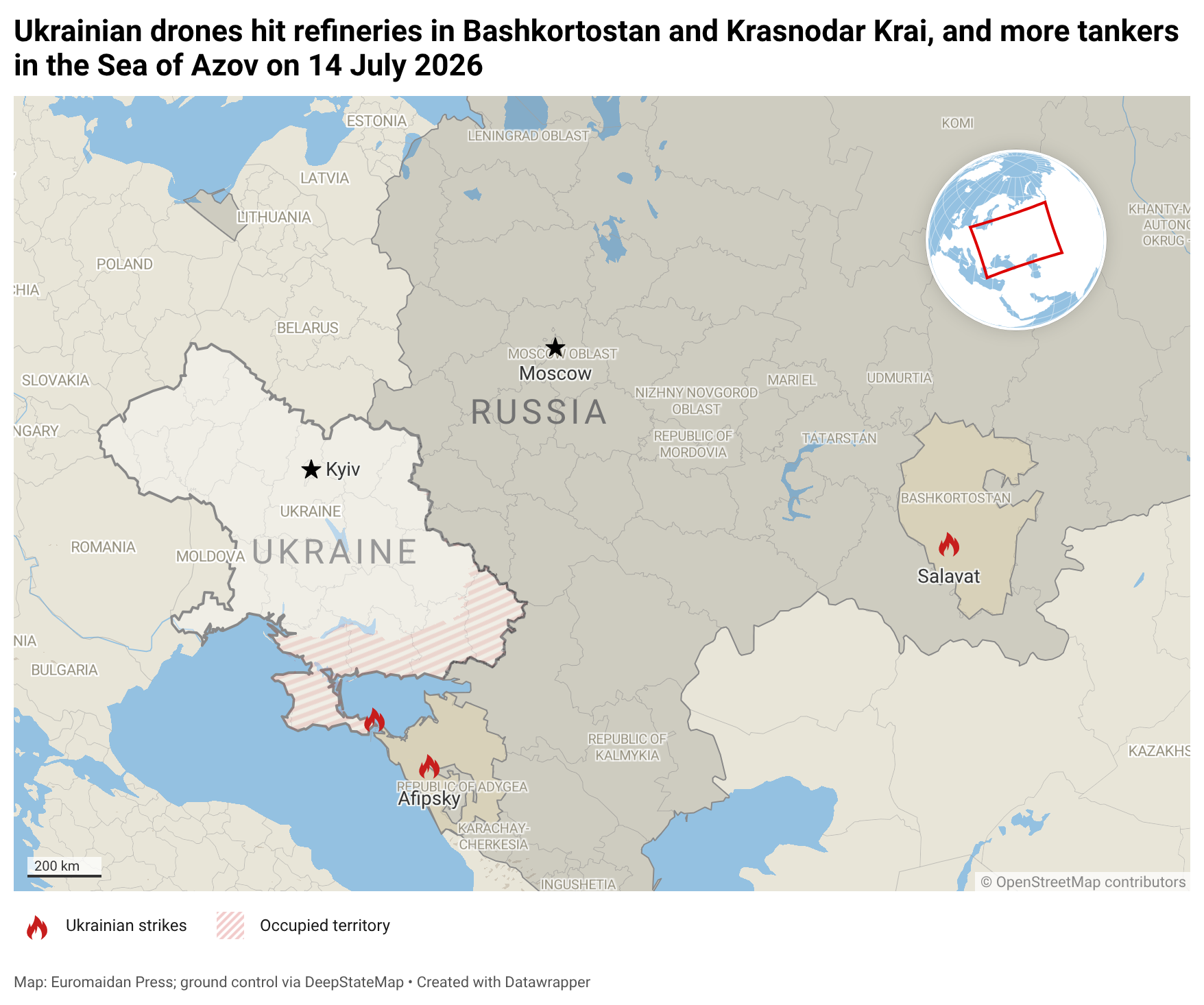
Ukrainian drones set fires at two Russian oil facilities at opposite ends of the country overnight on 14 July, according to monitoring channels and Russian regional authorities. The Gazprom Neftekhim Salavat petrochemical complex burned in Bashkortostan, some 1,300 km from the war zone, while the Afipsky refinery caught fire in Krasnodar Krai, around 400 km from the front. A Rosneft oil depot next to the Salavat plant was likely hit as well.
The last big gasoline producer still standing
Residents of Salavat heard a series of explosions in the early hours, then watched thick black smoke climb over the industrial zone, visible across the city. Ukrainian monitoring Telegram channel Exilenova+ published footage of the fires. Russian news Telegram channel Astra confirmed through its OSINT analysis that the Gazprom Neftekhim Salavat complex was struck and burning.
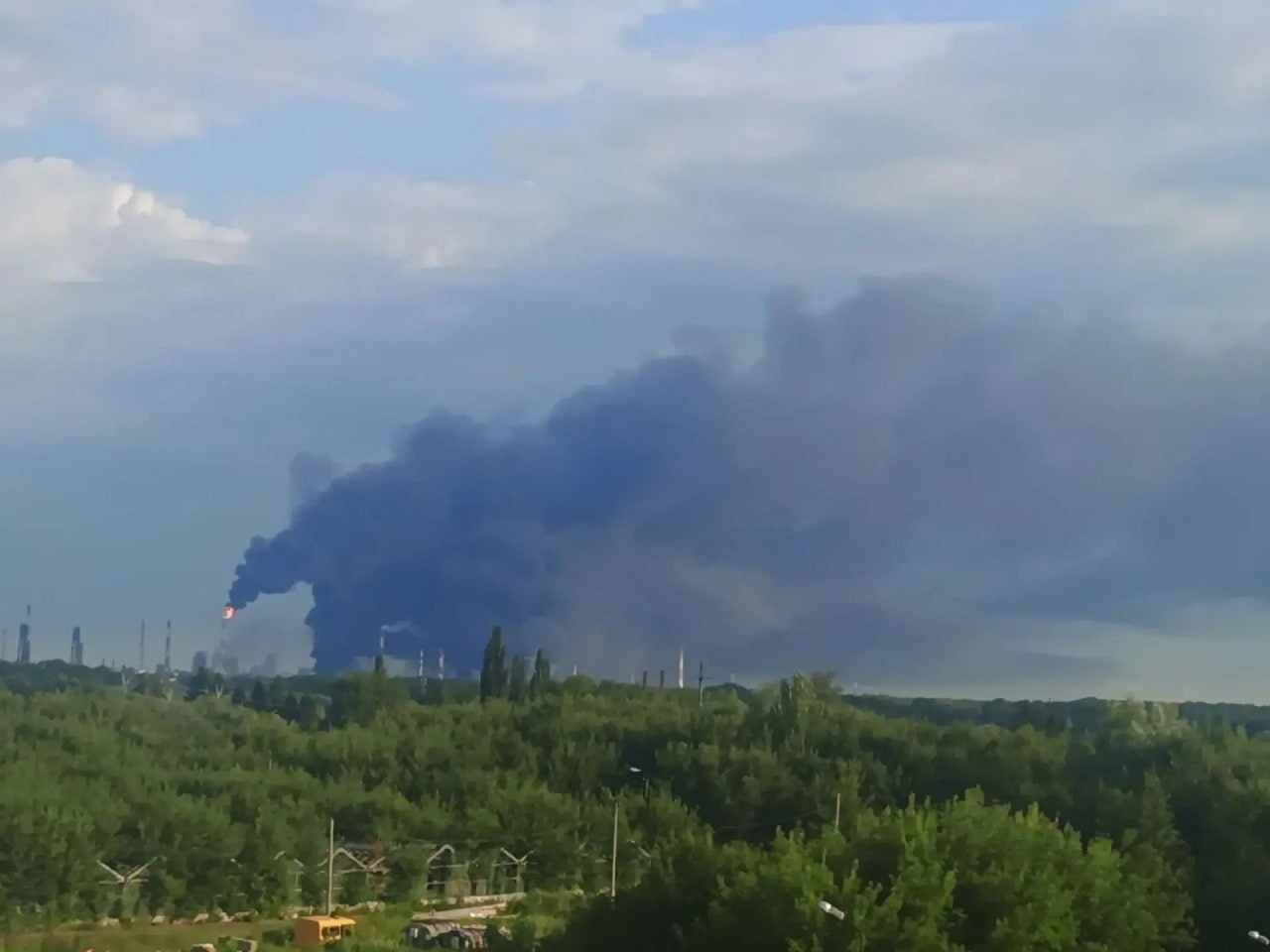
The complex was the last major gasoline producer that strikes had not yet touched in 2026. Its loss means roughly 11,000 tons of daily fuel deliveries gone from the Russian market — about 5% of domestic demand. Drones already struck the plant twice in September 2025, after which the regional head insisted it worked on as normal.
Preliminary damage: primary unit and polyethylene workshop
Ukrainian monitoring channel Supernova+ reported preliminary hits on the AVT-6 primary oil distillation unit and workshop No. 20, which produces high-density polyethylene. Nothing leaves a refinery without primary distillation, so damage there stops the whole production chain.
The strike likely reached beyond the complex itself. The Rosneft-Opt oil depot nearby probably caught fire too, according to Astra.
Bashkortostan head Radiy Khabirov claimed a "massive attack" of drones on Salavat's industrial zone was repelled. He attributed the "pockets of smoke" to falling debris of downed drones and stated nobody was hurt. Russia's aviation authority restricted operations at the Ufa airport during the attack.
Afipsky burns again at the other end of the fuel map
In Krasnodar Krai, the first explosions near the Afipsky refinery sounded around midnight, and a powerful fire followed, Ukrainian monitoring channel Krymsky Veter reported. The blaze rose near the plant's tank farm, according to Astra's analysis of witness footage. The Krasnodar Krai operational headquarters confirmed the fire at the refinery after the drone attack.

Fires at both ends of Russia’s fuel chain: a Lukoil depot in Stavropol Krai and a ferry port facing Kerch
The export-oriented plant runs two primary distillation units with capacities of 9,786 and 8,829 tons per day and does not currently make gasoline or diesel for the domestic market, Reuters reported. Together with the affiliated Krasnodar refinery, it processed 7.2 million tons in 2024 and 3 million tons in the first half of 2025. Ukraine's General Staff puts its share at about 2.1% of Russia's refining.


