

Russia is conducting six illegal archaeological expeditions across occupied Crimea, Suspilne reported. The illegal digs target crypts, a necropolis, and ancient settlements.
Suspilne, citing RIA Novosti Krym, reported that Vadym Maiko, head of Russia’s Institute of Archaeology of Crimea, said the expeditions include the Opushky burial ground, where teams are examining at least three crypts. They also include the late-antique Kyz-Aul necropolis near Yakovenkove, as well as work near the Artezian hillfort and the Belinske settlement. Suspilne did not identify the other two expeditions.
The expeditions add to what Ukrainian officials describe as a wider campaign of cultural theft. Since 2014, Russia has removed artifacts, dug without Kyiv’s permission, and reshaped Ukrainian sites to support its claim to the peninsula.
Russia’s habit of stealing Ukrainian history
Russia has expanded in recent years its archaeological excavations in the occupied Ukrainian territories.
On 1 April 2026, Ukraine’s military intelligence released a report identifying seven Russian archaeologists and historians linked to excavations and occupation institutions. Its update also listed 20 objects taken from occupied sites, including Kyz-Aul and the Hospitalnyi burial mound.
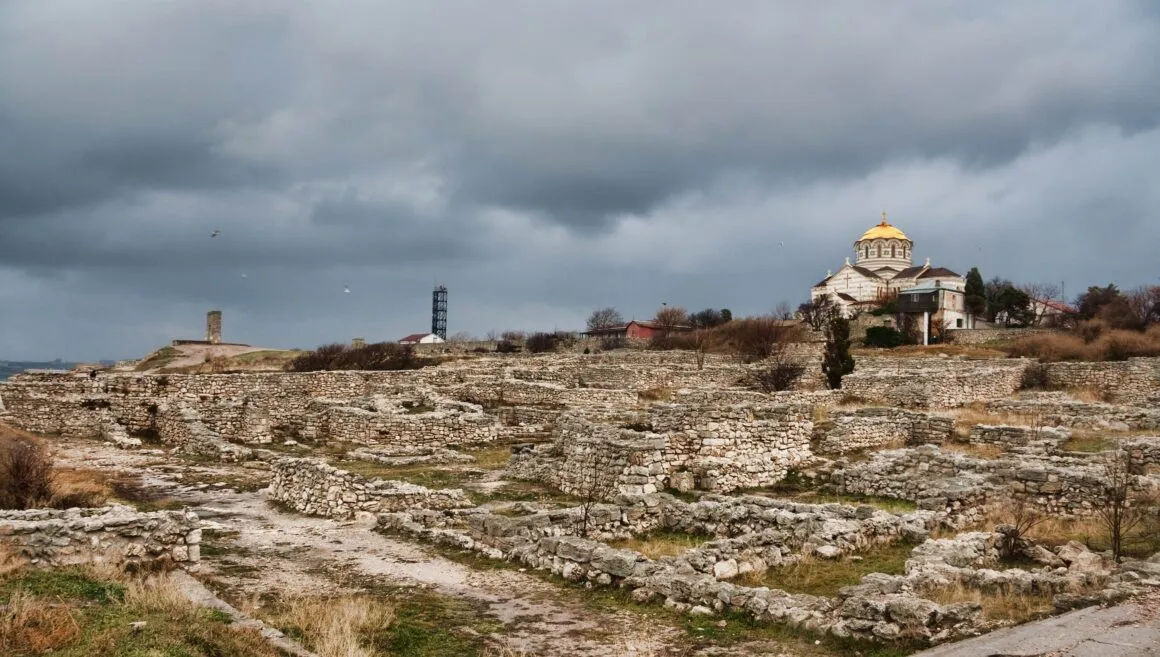
Ukraine’s National Resistance Center also says Russian security personnel let artifact looters remove finds from Chersonesus in return for kickbacks. Meanwhile, Russian construction and excavation there exposed 500,000 artifacts.
In July 2026, UNESCO placed the site on its danger list, citing damage from construction and large-scale digs.
Accountability has begun, but rarely reaches court
The EU’s 17th sanctions package targeted Russia's cultural heritage looting in Crimea. It listed Chersonesus occupation director Elena Morozova and the museum she leads.
Ukraine has also pursued individual archaeologists. Yet identifying the people behind illegal digs is not the same as bringing them before a court.
A Polish court approved the extradition of Hermitage archaeologist Alexander Butyagin to Ukraine after Kyiv accused him of causing $4.8 million in damage at Myrmekion. Warsaw later handed him to Belarus in an April prisoner exchange, and he returned to Russia. The case never reached Ukrainian courts.
The 1954 Hague Convention protects archaeological sites and requires parties to prevent theft, pillage, or misappropriation. But Butyagin’s release exposed the central enforcement problem: Ukraine can document a suspect, secure an arrest, and still lose custody before trial.
Read also
-
Russia just got its Crimea looter back — and he’s not even pretending to lay low
-
Ukraine names seven archaeologists Russia sent to steal treasures from occupied Donetsk, Zaporizhzhia and Crimea
-
Russia’s construction on Crimea’s only World Heritage site exposed 500,000 artifacts. UNESCO has just declared complex is in danger


