

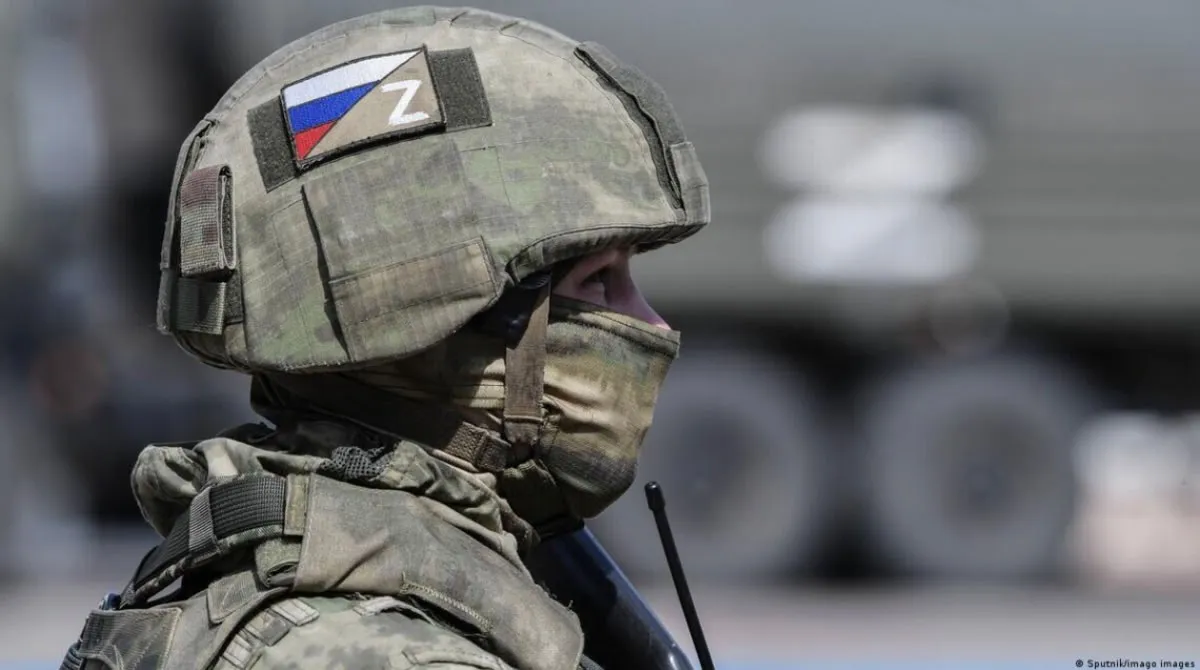
A mass shooting in occupied Crimea left one Russian serviceman and three civilians dead on 4 August 2026, according to Moscow-installed authorities. Another soldier and three other people were reportedly wounded.
Russia keeps many troops stationed in Ukraine’s occupied Crimea, using it as a rear logistics hub for its war against Ukraine. That dependence has made the peninsula a prime Ukrainian target as Kyiv seeks to sever supply lines supporting Russian forces across the south.
The Russian soldier first opened fire on fellow servicemen, killing one and wounding another, Moscow-installed Sevastopol governor Mikhail Razvozhayev said on Telegram.
The gunman then allegedly attacked residents of Khmelnytske, a village southeast of Sevastopol. Razvozhayev said the civilians killed were two men, aged 71 and 59, as well as a 64-year-old woman.
Russian occupation authorities said they detained the attacker. They have not publicly identified him, named his military unit, or disclosed a possible motive.
Independent Russian outlet Agentstvo reported that the suspect may be 21-year-old Maxim Alistratov from Saratov Oblast, citing a screenshot from a local chat group. The Moscow Times, which relayed the report, said it could not independently verify the identification. Occupation authorities have not confirmed it.
Euromaidan Press could not independently verify Razvozhayev's account or the reported identity of the attacker.
Violence involving Russian troops in Crimea
Russian military court records have also documented sexual offenses by servicemen in occupied Crimea and Sevastopol, including against civilian residents.
In 2023, Siberia.Realities, an RFE/RL project, reviewed records from 100 Russian military courts. A follow-up report by Crimea.Realities, another RFE/RL initiative, found that the peninsula accounted for 18 such cases in 2022. That was 16% of all sexual-offense cases involving servicemen before Russian military courts that year, and more than in any region of Russia itself.
The outlet noted that court records from other occupied Ukrainian territories were not publicly available.


