The Azov Sea wasn’t enough—Ukraine’s drones followed Russia’s oil fleet into the Black Sea

Six drone units opened the new phase together, from Magyar’s Birds to the Raid regiment that has been burning ships for days.
azov sea wasn't enough—ukraine's drones followed russia's oil fleet black · post russian gas carrier thermal sight ukrainian drone during strikes marked 118th vessel hit 6–15 2026 operation sbs video
A Russian gas carrier in the thermal sight of a Ukrainian drone during strikes in the Black Sea, marked as the 118th vessel hit in the 6–15 July 2026 operation. Screenshot from SBS video
The Azov Sea wasn’t enough—Ukraine’s drones followed Russia’s oil fleet into the Black Sea

Ukraine's aerial attack drones opened a new front against Russia's sanctions-dodging shadow fleet, striking 20 vessels in the Black Sea in a single night, the Unmanned Systems Forces (SBS) reported. The raid launched the Black Sea phase of a campaign that had until now played out in the Sea of Azov, and it pushed the 10-day tally well past a hundred ships.

Oil is Russia's war chest, and through 2026, Ukraine has turned cheap drones into a blockade of that revenue at both ends — the tankers that move the oil and the refineries that turn it into cash. Extending the hunt from the shallow Azov feeder run to the deep-water Black Sea export anchorages widens the pressure on one of Moscow's biggest export earners and tightens the drone ring around occupied Crimea's fuel supply.

The Black Sea cluster opens

Overnight on 15 July, SBS operators struck 17 oil tankers, two gas carriers, and one tug in Black Sea waters. Six drone units ran the raid together: the 9th "Kairos" Battalion of the 414th "Magyar's Birds" Brigade, the 1st Separate Center, the 20th "K-2" Brigade, the 412th "Nemesis" Brigade, the 427th "Rarog" Brigade, and the 413th "Raid" Regiment.
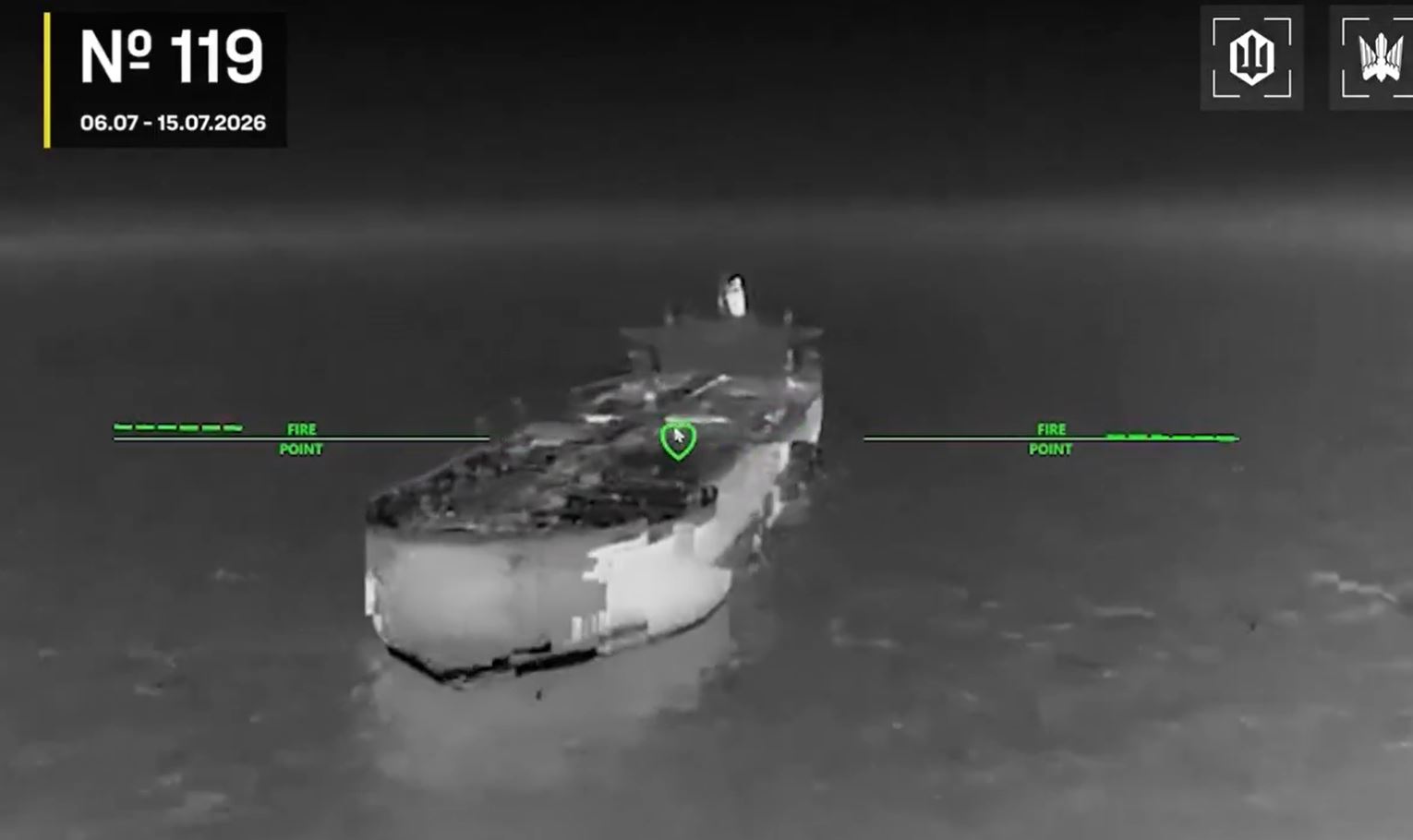
azov sea wasn't enough—ukraine's drones followed russia's oil fleet black · post russian tanker thermal sight ukrainian naval drone during strikes marked 119th vessel hit 6–15 2026 operation sbs video
A Russian oil tanker in the thermal sight of a Ukrainian drone during strikes in the Black Sea, marked as the 119th vessel hit in the 6–15 July 2026 operation. Screenshot from SBS video

The two gas carriers fell to Nemesis and Raid operators. The 1st Separate Center took the tug.

azov sea wasn't enough—ukraine's drones followed russia's oil fleet black · post russian tug thermal sight ukrainian naval drone during strikes marked 136th vessel hit 6–15 2026 operation sbs video
A Russian tug in the thermal sight of a Ukrainian drone during strikes in the Black Sea, marked as the 136th vessel hit in the 6–15 July 2026 operation. Screenshot from SBS video

The timing was deliberate. SBS commander Robert "Madyar" Brovdi wrote that the Black Sea cluster of operation MoLoChKa ("Dairy") opened on 15 July, the Day of Ukrainian Statehood. He framed the night as a scoreline: 20 to nil.

136 ships in 10 days

The Black Sea haul adds to a running total that has climbed fast. From 6 to 15 July, Ukraine's drones struck 136 vessels of Russia's shadow fleet across both seas.
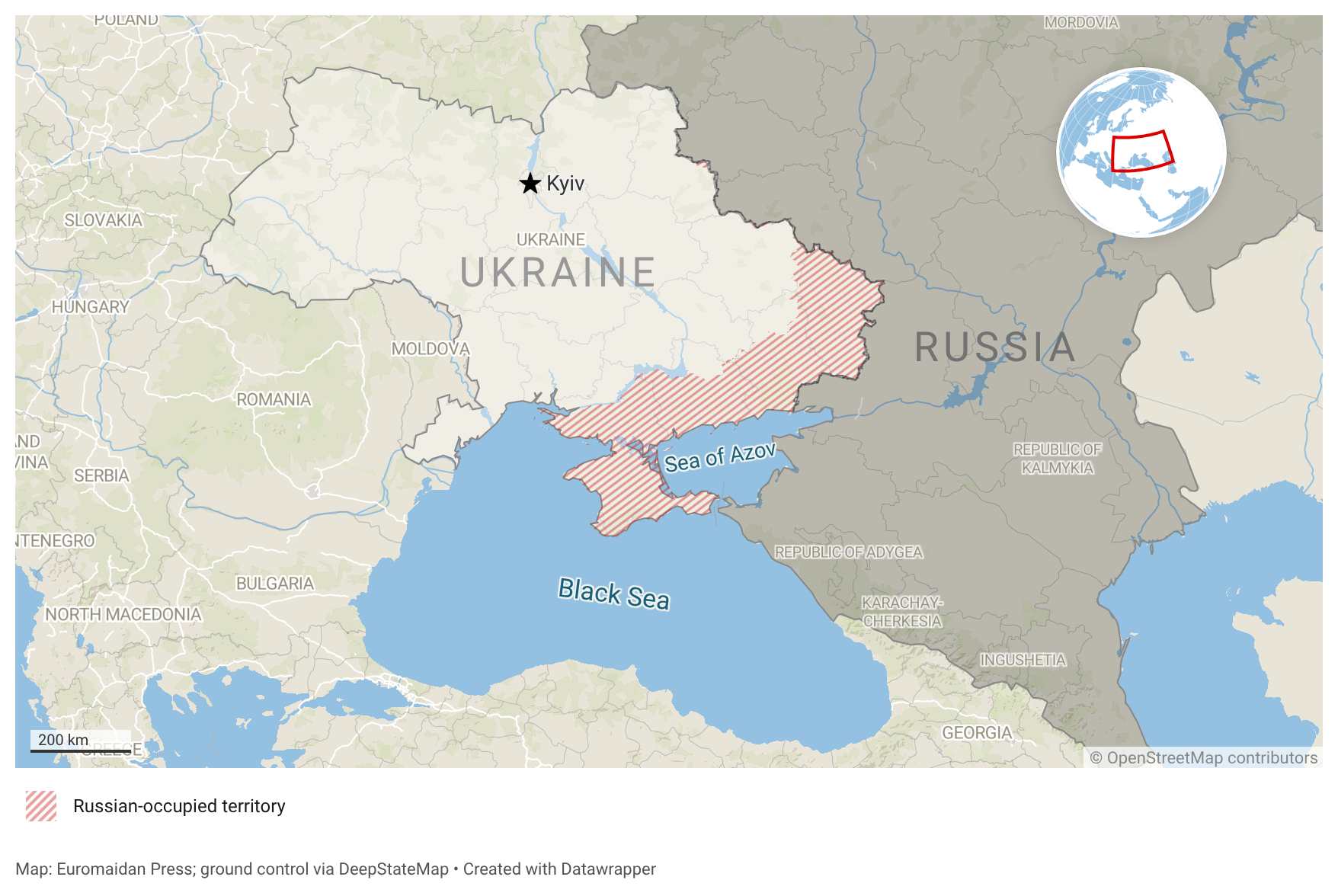
Of those, 116 went down in the Sea of Azov between 6 and 14 July, as an earlier daily count tracked. The 20 Black Sea kills on 15 July carried the campaign west into deeper, wider water.

Bigger tankers, a different aim point

The Black Sea vessels seen in the SBS video are ocean-going ships, far larger than the flat-bottomed river couriers Ukraine has been burning along the Azov feeder route. The footage from the FP-1 or FP-2 attack drones shows the operators aiming mostly for the deck structures rather than the bridges, with follow-up drones filming the fires that spread after the first strikes.

The shadow fleet exists to slip past international sanctions, move Russian oil and oil products, and funnel the proceeds into Moscow's budget for the war on Ukraine. Systematically hitting it breaks the enemy's logistics chains and jams the shadow maritime infrastructure, SBS said.

The operation's stated goal is steady disruption of Russian logistics and the money behind them. Disabling tankers, cargo ships, and support vessels complicates oil exports and limits Russia's ability to fuel its troops and the occupation force in Crimea.

To suggest a correction or clarification, write to us here

You can also highlight the text and press Ctrl + Enter

Please leave your suggestions or corrections here


    Euromaidan Press

    We are an independent media outlet that relies solely on advertising revenue to sustain itself. We do not endorse or promote any products or services for financial gain. Therefore, we kindly ask for your support by disabling your ad blocker. Your assistance helps us continue providing quality content. Thank you!

    Ads are disabled for Euromaidan patrons.

    Support us on Patreon for an ad-free experience.

    Already with us on Patreon?

    Enter the code you received on Patreon or by email to disable ads for 6 months

    Invalid code. Please try again

    Code successfully activated

    Ads will be hidden for 6 months.