


Ukrainian drones hit 14 more Russian vessels — 10 tankers and four ferries — overnight on 12 July in the Sea of Azov, Unmanned Systems Forces (SBS) commander Robert "Madyar" Brovdi reported. The strikes cap a week in which Ukraine hit 90 ships serving Russia's continued occupation of Crimea and the fuel trade in the Black Sea region. Moscow, a week into the losses, has shown no visible attempt to defend its commercial shadow fleet.
One vessel every 112 minutes
This morning, Brovdi wrote:
"14 vessels on the night of 12 July: 10 tankers and 4 ferries," the commander said, adding that this puts the week of 6–12 July at 90 units of Russia's shadow fleet hunted down by the "birds" of SBS.
That works out to one Russian tanker, tug, dry cargo carrier, or special vessel struck every 112 minutes of the week.
"Moscow will fall," the commander added.
His post carries video of the strikes:
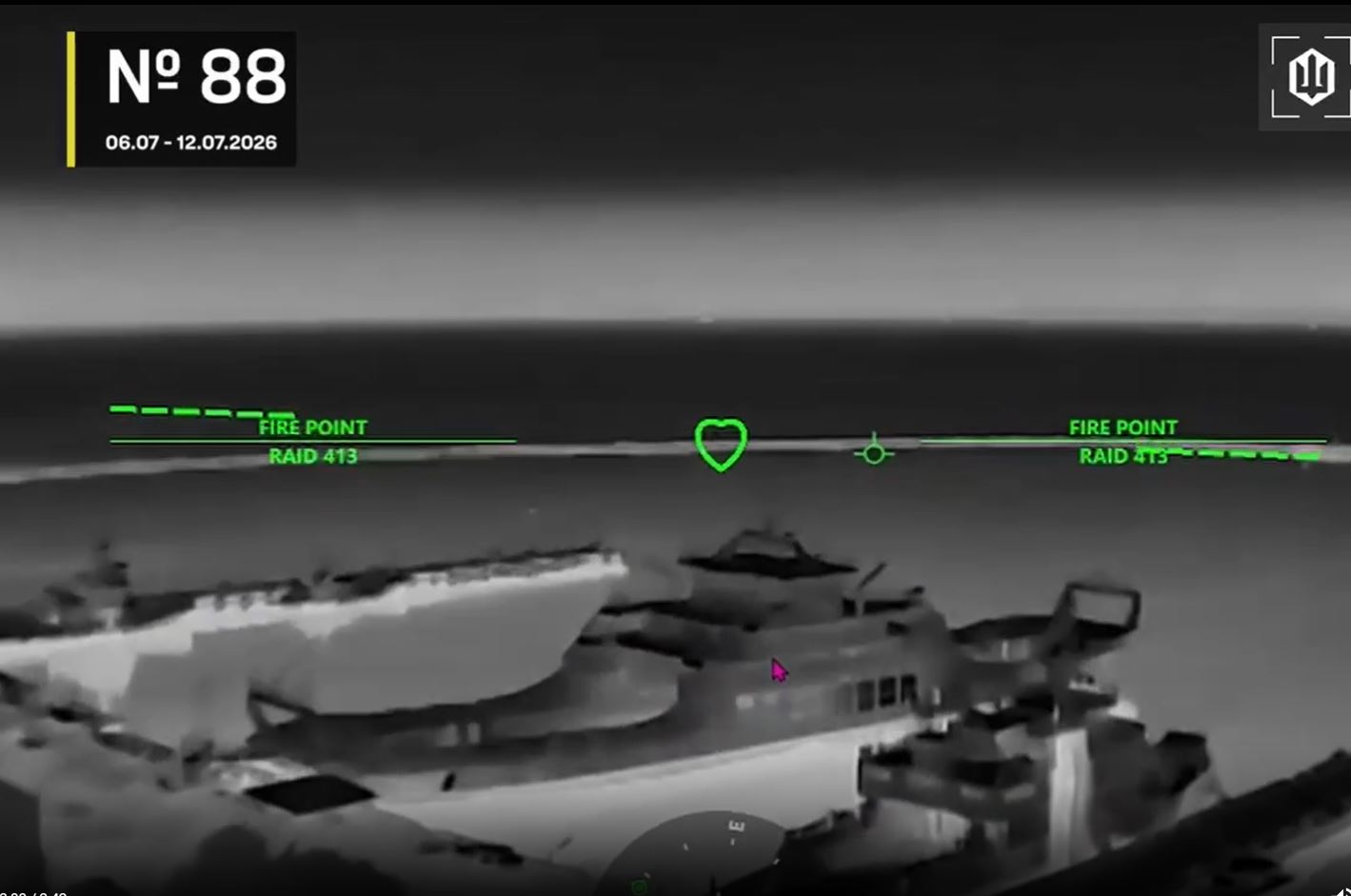
Among the identifiable targets are the ferries Mariya, Yeysk, and Sky One — the latter hit in the port of occupied Kerch by pilots of the 413th Raid Regiment — plus an unnamed ferry used for transport across the Kerch Strait.
The SBS's live scoreboard currently shows 14 new strikes on Russian shipping. The tally can move in either direction during the day — up or down — as internal reports get verified. The total of Russian ships hit in July now stands at 91.
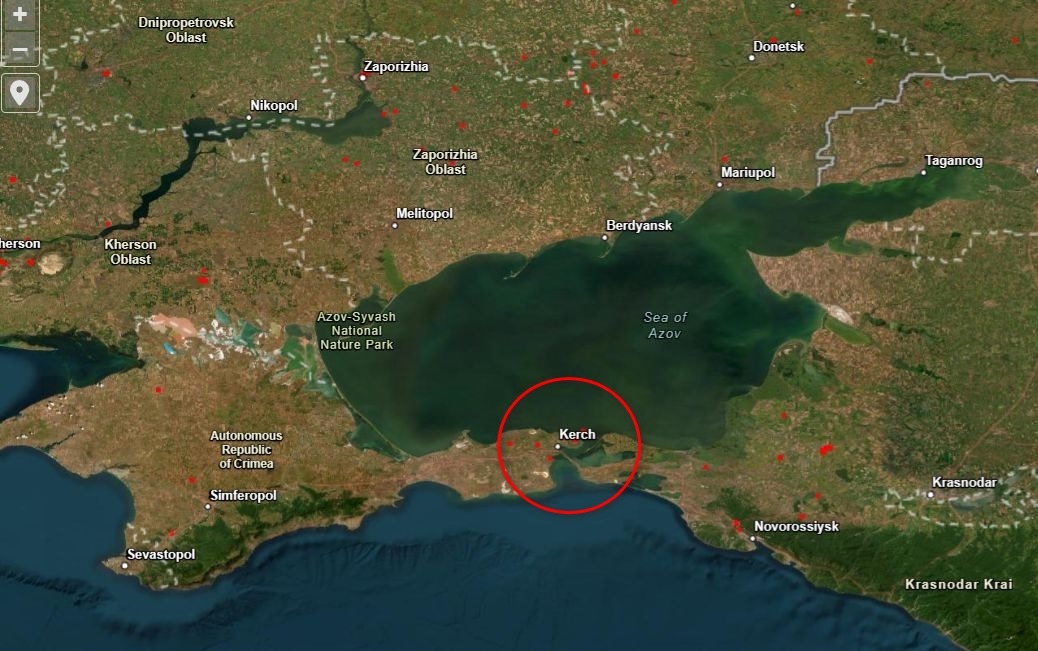
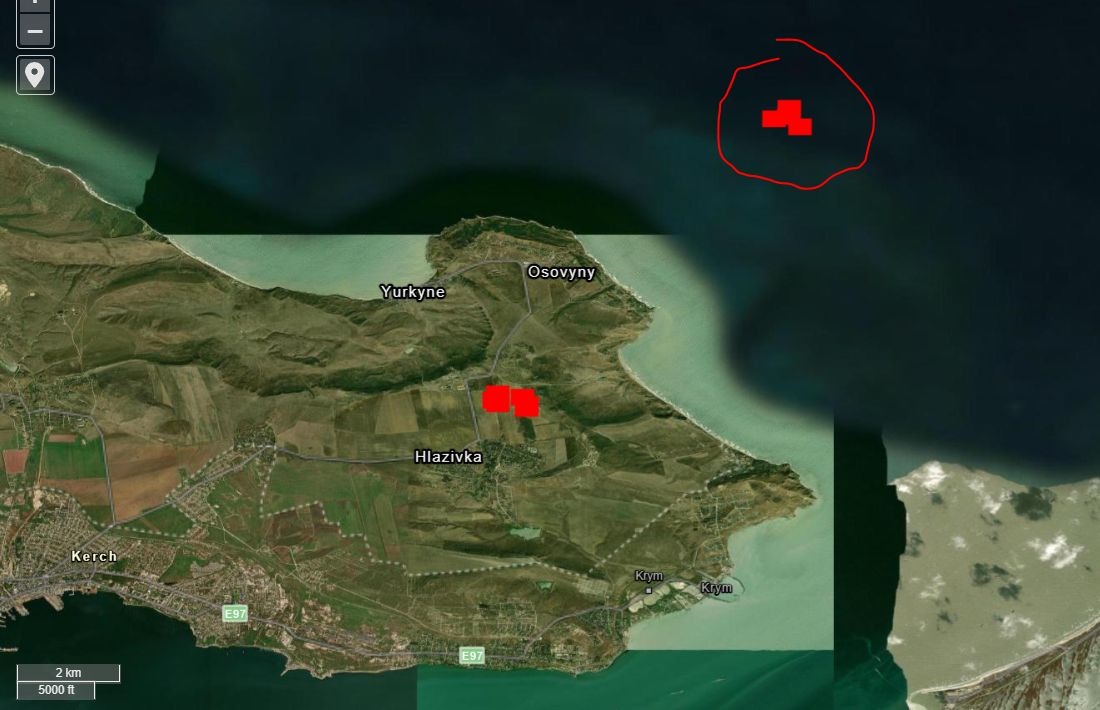
NASA FIRMS satellite data shows fires in the usual location — the anchorage north of occupied Kerch.
Small tankers, double duty
The shadow fleet tankers under attack are not blue-water, ocean-going ships. They are smaller—yet mostly also sanctioned—vessels built for Russia's internal waterways, sized to squeeze through the Volga-Don Canal. Russia has moved them en masse to the Azov and Black seas for two jobs: pumping export fuel at sea into ocean-going shadow-fleet tankers sailing with trackers switched off, and supplying occupied Crimea.
Trending Now
Damaging them en masse kills two birds with one stone. Each disabled tanker cuts the volume of Russian oil exports at the source and tightens the noose around the occupied peninsula. And beyond the material damage sits the sheer shame: shipping disabled in such quantities has not been seen since World War II.
Disable, don't sink
Madyar's videos show the method. Ukrainian drones consistently go for the ships' superstructure and bridge, or sometimes the propulsion section at the stern. The goal appears to be to render the vessels uncontrollable rather than send them under.
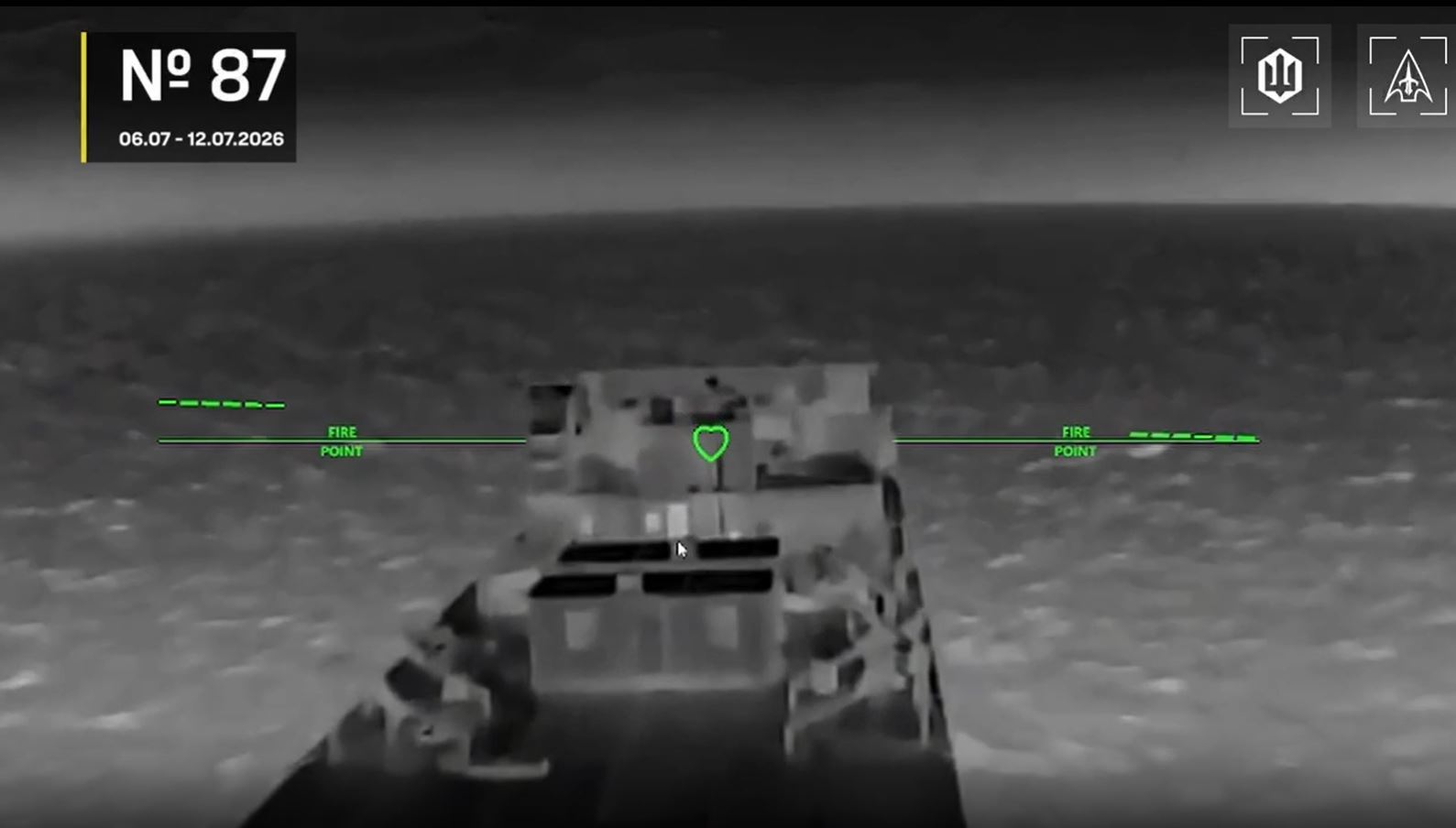
Sinking would demand more drones per ship — and would cause an ecological disaster in the shallow Sea of Azov. Moreover, the tugs that come to evacuate the ships-turned-barges become the next targets.
Russia can't fight back
About a week into the campaign against its shipping, Russia has shown no sign of trying to protect the vessels — no warplanes or helicopters, no navy ships, not even onboard firearms. Some ships display metal bars rigged in front of the bridge, a passive, improvised anti-drone screen that is useless against the powerful FP-1 and FP-2 strike drones.
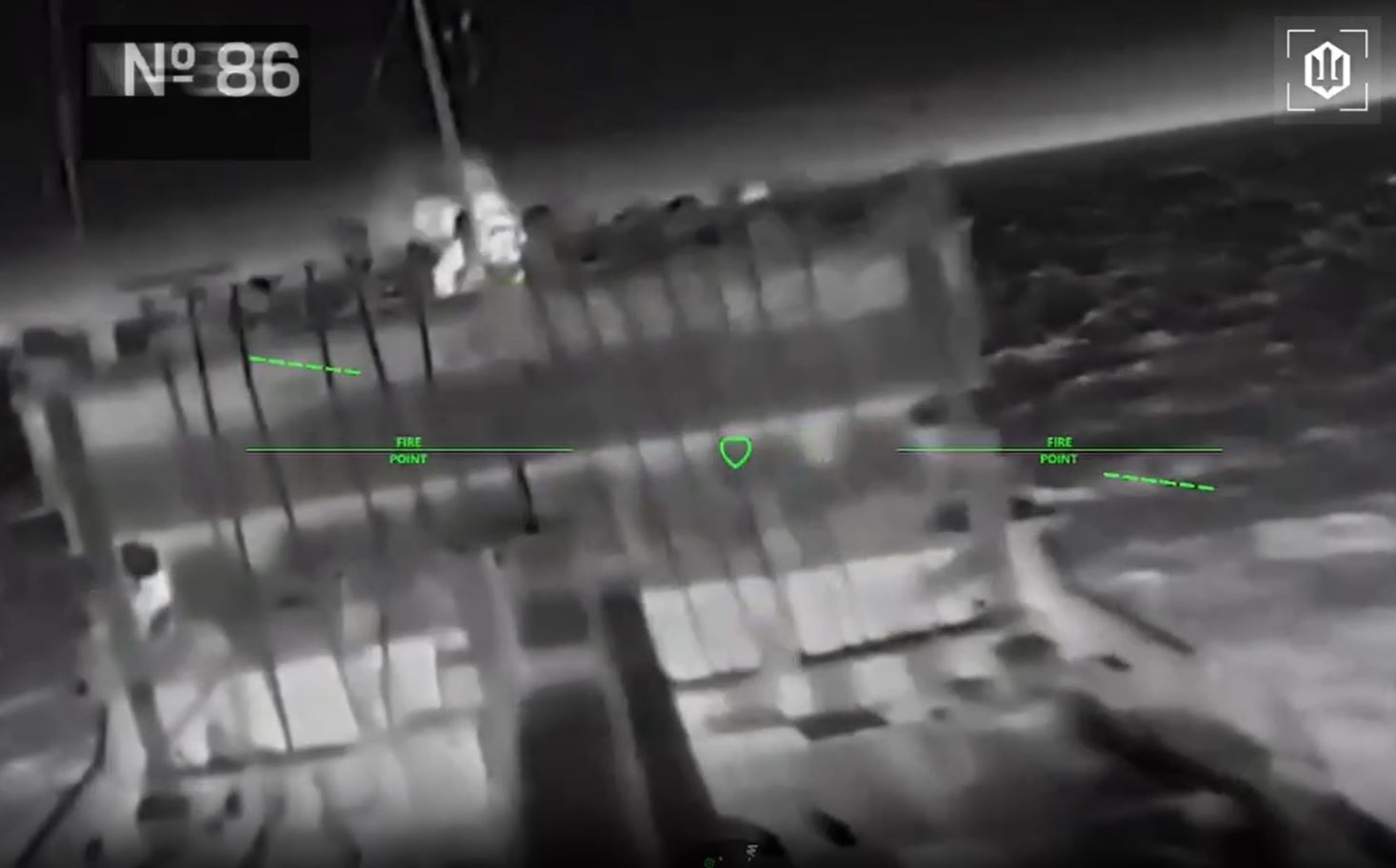
Moscow's only visible reaction has been retreat: it halted shipping through the Don-Azov canal and closed the Kerch Strait after the tanker strikes — pulling its disabled vessels off the water instead of defending them.
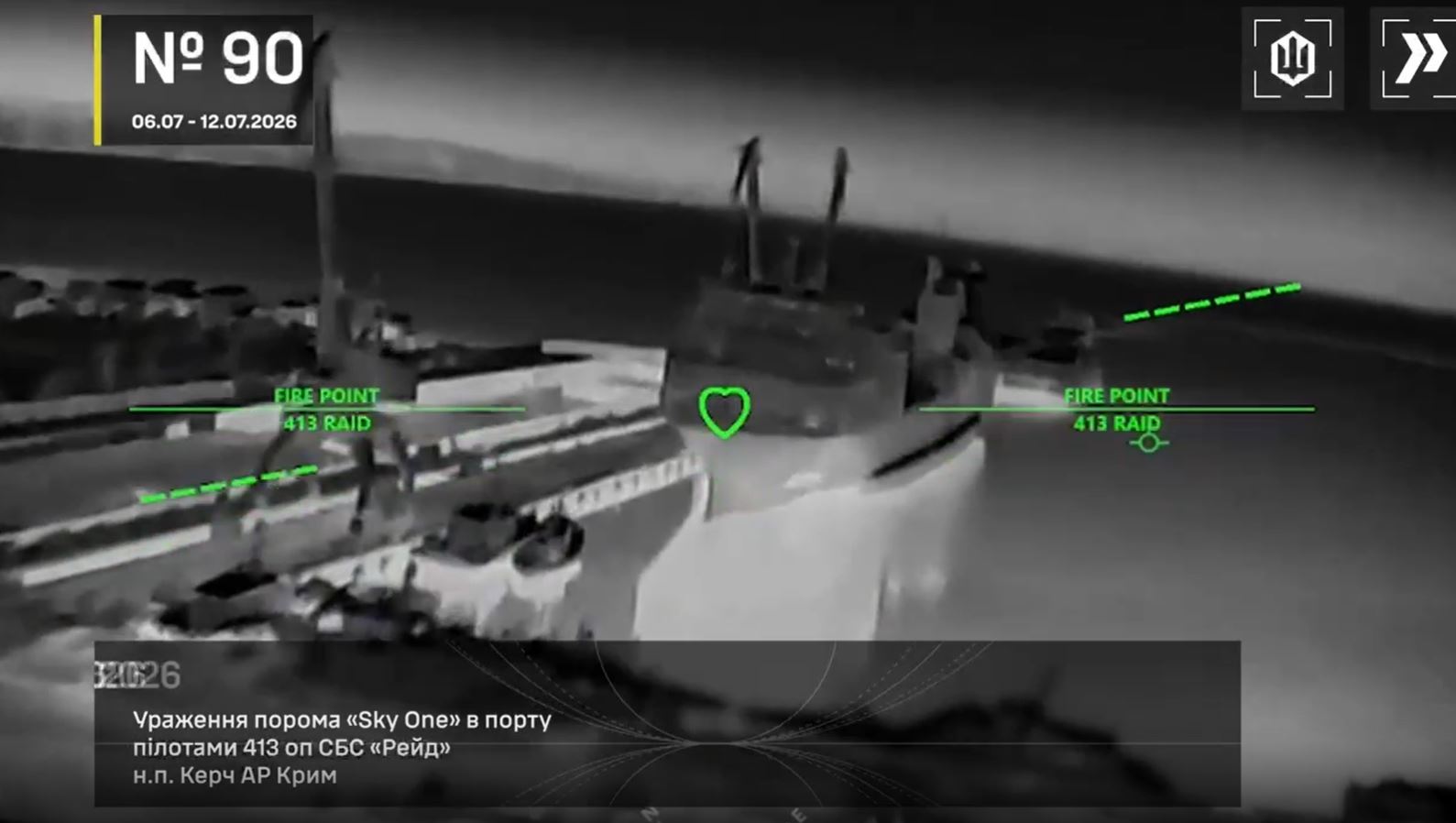
The pace shows why. Just the night before, the tally was staggering: "28 vessels of Russia's shadow fleet hunted down on the night of 11 July in the Azov Sea by the Birds of SBS," Madyar wrote yesterday:
And the ships were only part of that night's work — the SBS also hit nine energy nodes in the occupied territories, the Saky thermal power plant, a training ground, a special communications node, and what the commander called an enemy lair in Horlivka, Donetsk Oblast.
Read Also
-
Vivaldi’s secret weapon was the targeting, not the robots: Third Corps reconnaissance mapped Russian command nodes, then hit them to cause panic
-
Russian spies ran a campaign against Kyiv on Anthropic’s Claude, and the AI chatbot’s maker caught them at it
-
One Russian drone held up seven flights in Moldova, Zelenskyy’s trip to Norway for King Harald V’s funeral among them


