


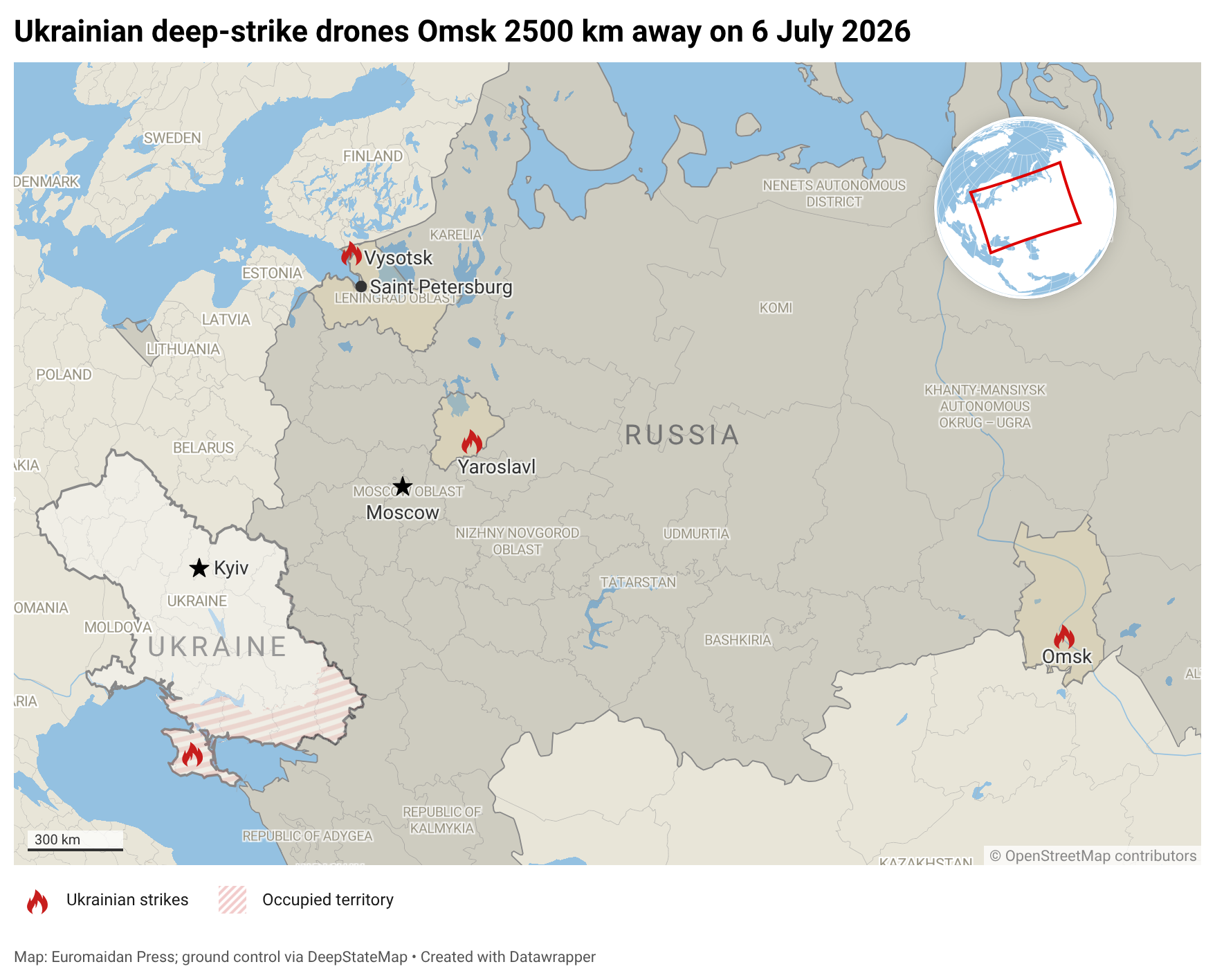
Ukrainian Special Operations Forces struck the Omsk oil refinery almost 2,500 km from Ukraine's border — far beyond the Ural Mountains — the first time the war has reached the Siberian plant, and the last of Russia's 11 biggest gasoline producers to come under Ukrainian fire, the General Staff reported. The attack capped an overnight wave on 6 July that set oil facilities burning from Russia's Baltic coast to occupied Crimea. Air-raid sirens sounded in Chelyabinsk Oblast for the first time since the full-scale war began.
Special Operations Forces close the list of Russia's gasoline giants
Ukraine's General Staff said Special Operations Forces units hit the Omsk refinery in Omsk Oblast, recording an impact and a subsequent fire, with the damage still being assessed. Preliminary data pointed to the ELOU-AVT-11 primary oil processing unit, which has a design capacity of 8.4 million tons of crude a year.
The General Staff called Omsk the most powerful refinery in Russia, processing over 21 million tons annually with one of the country's highest refining depths at about 99%, and the last of Russia's 11 largest gasoline producers to be struck by Ukrainian forces. The plant makes high-octane gasolines, Euro-5 diesel, and TS-1 and RT jet fuel, along with petrochemicals and industrial oils — and supplies the Russian occupation army, the General Staff noted.
Astra's analysis, meanwhile, noted that other assessments rank the plant below the Kirishi and Achinsk refineries, and confirmed this was the first attack on the facility ever.
Earlier, Ukrainian Telegram channel Exilenova+ reported that the first hit landed on the AVT-11 unit — the heart of the plant. At least two spots burned, and footage suggested nobody vented the system pressure before the strike hit two primary processing units. NASA FIRMS satellites recorded fires at both the AVT-10 and AVT-11 units.
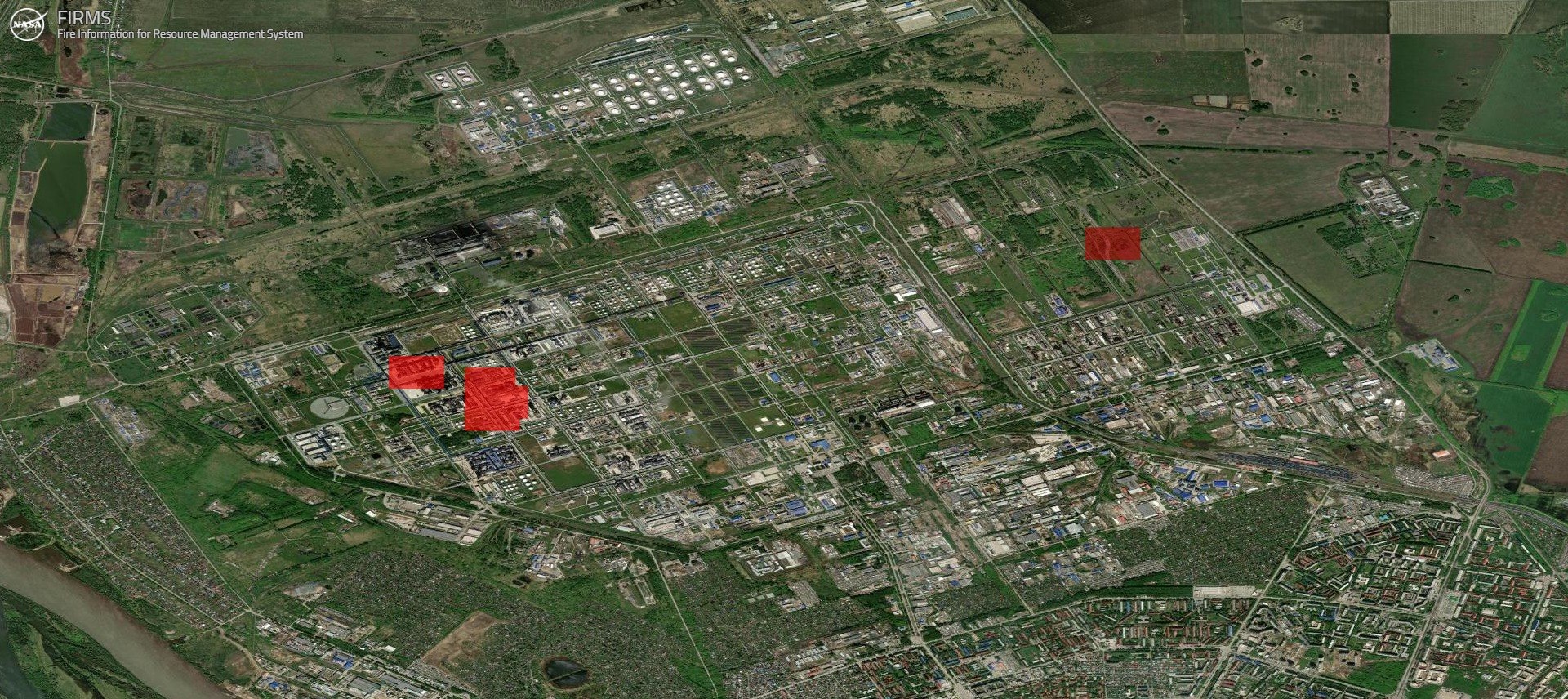
The Omsk plant accounts for roughly 10% of all Russian oil refining, and by various estimates covers over 50% of the Siberian Federal District's motor fuel needs. Dnipro OSINT confirmed that modernized FP-1 drones hit the technological columns of the ELOU-AVT-11 unit more than 2,500 km from the border.
Omsk Oblast Governor Vitaly Khotsenko claimed that several drones reached the city's northern industrial hub while air defenses kept repelling the attack, without naming the refinery. Half an hour earlier he had claimed drones were destroyed over the oblast.
Yaroslavl's Slavneft-YANOS burns again
The Security Service of Ukraine (SBU) confirmed its drones attacked the Yaroslavl refinery and the Yaroslavl oil-pumping dispatch station the same night, with explosions and smoke recorded at the plant. Exilenova+ reported the refinery hit, with NASA FIRMS data confirming the fire.
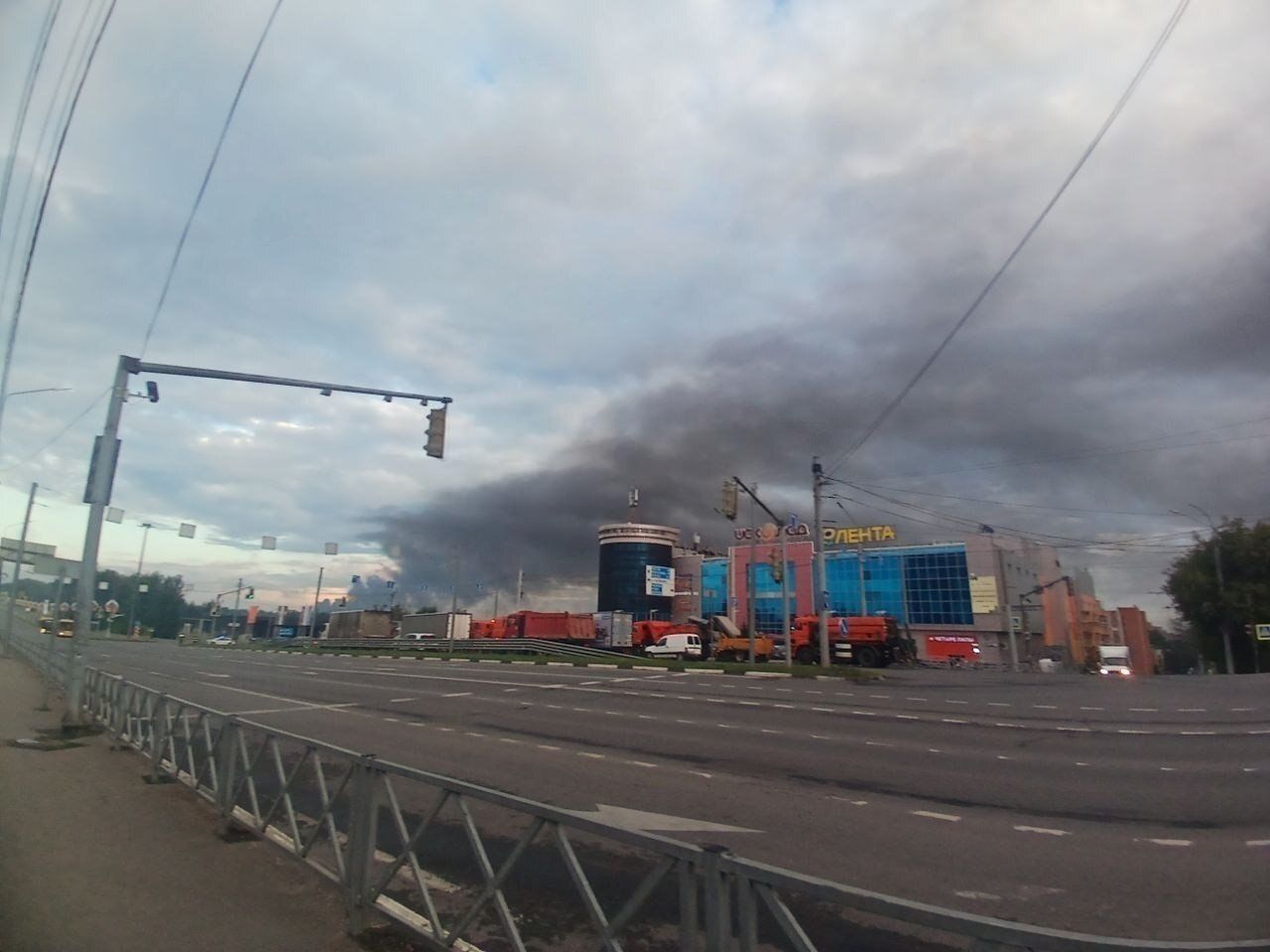
Yaroslavl Oblast Governor Mikhail Yevraev claimed a drone attack on the region and blocked traffic toward Moscow near the plant from roughly 04:00 to 07:33, never naming what burned. Astra's OSINT analysis showed smoke rising over the Slavneft-YANOS site.
Ukrainian drones have struck it repeatedly this year — on 28 June, 19 May, 8 May, and 26 April, among other dates. The repeated hits helped push gasoline rationing into St. Petersburg by June. The refinery sits over 700 km from Ukraine's border.
Baltic ports and Kaluga hit the same night
The SBU also confirmed a successful strike on the oil-loading terminal of the Vysotsk sea port in Leningrad Oblast, disabling two oil-loading stenders and hitting three tanks with petroleum products. Ukrainian drones already set a fire near Vysotsk in April. The SBU's drones struck the Pervyi Zavod refinery in Kaluga Oblast too, sparking a fire.
The General Staff added hits on the NOVATEK-Ust-Luga complex near Slobodka and the permanent base of Russia's 26th Missile Brigade near Luga in Leningrad Oblast. Ukraine has battered Russia's Baltic export network since March, at times halting up to half of the petroleum exports flowing through it. Leningrad Oblast Governor Alexander Drozdenko claimed 56 drones were downed by 08:40, admitting infrastructure damage at the Luga training ground and near the Ust-Luga and Vysotsk ports.
Kerch terminal hit, first siren in Chelyabinsk
In occupied Kerch, the overnight strike hit TES-Terminal-1 — one of the largest light petroleum transshipment complexes on the Crimean peninsula, the General Staff reported. The city's port and military infrastructure have taken repeated Ukrainian strikes within the campaign to isolate the occupied peninsula.


