

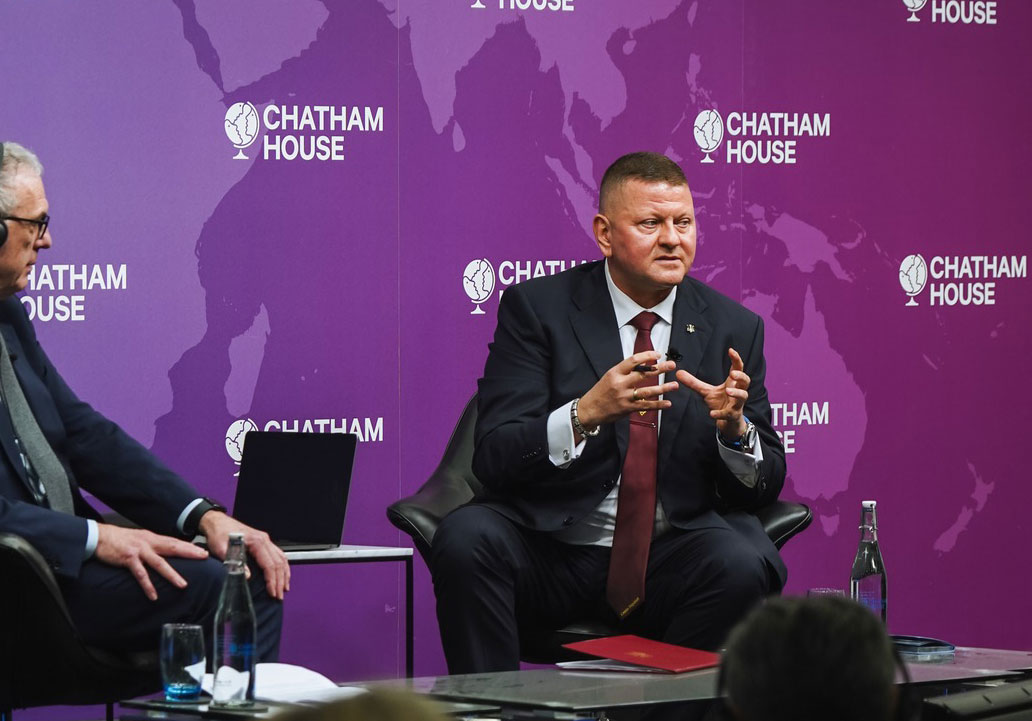
Currently, Ukraine's frontline has evolved into a "robotic kill zone" dominated by drones, with robots now used to conduct assaults and even capture enemy troops, Ukraine's former Commander-in-Chief Gen. Valerii Zaluzhnyi said in a speech at Chatham House in London. The address took place on 23 February, the eve of the fourth anniversary of Russia’s full-scale invasion.
"The reality is that the war in Ukraine has long ceased to be only a Ukrainian story. It has become a laboratory of the future," Zaluzhnyi said.
War "gone beyond trenches, tank fights, and air battles"
Zaluzhnyi, currently serving as the Ukrainian ambassador to the UK, said the modern war "has long since gone beyond long trenches, powerful tank fights and air battles." The battlefield has become "completely transparent," flooded with surveillance drones and automated strike systems.
According to Zaluzhnyi, the kill zone now stretches at least 25 km deep, while the logistics become more difficult — already making it impossible to use the so-called rear zone up to 50 km deep.
"The ability to destroy logistics keeps growing," Zaluzhnyi said, adding that the long-held idea of a secure rear has become obsolete.
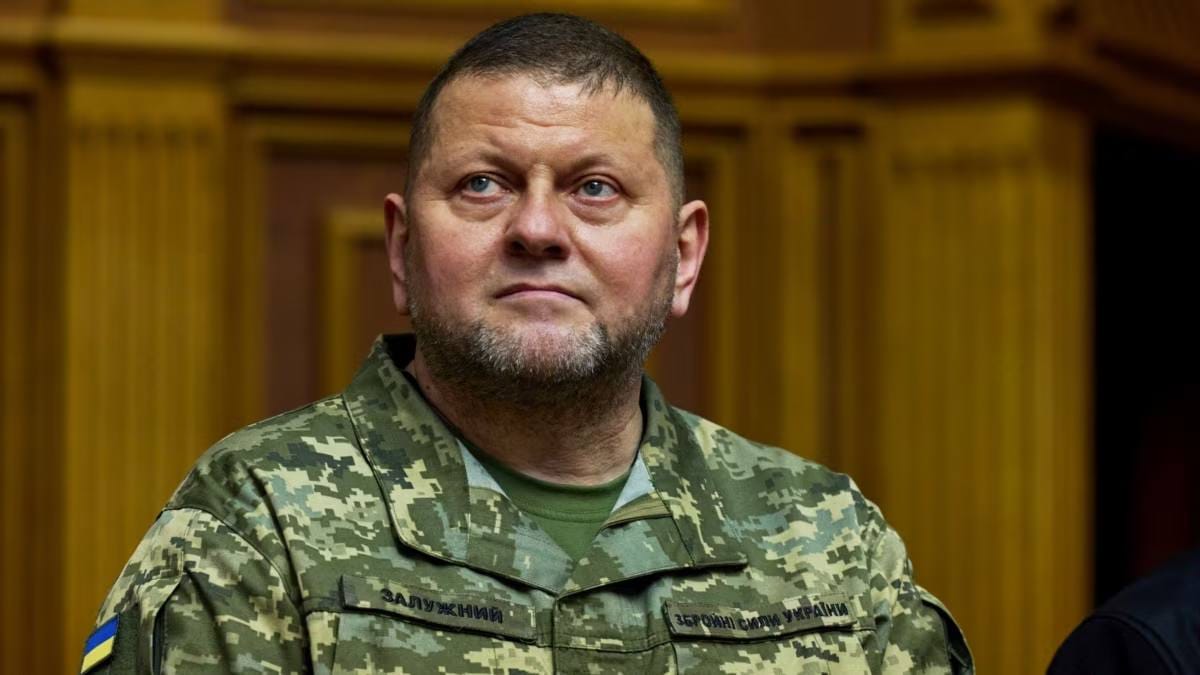
Using any equipment in these kill zones, as well as deploying people, "has turned into real suicide," Zaluzhnyi said.
Humans as the scarcest resource
The war has shown that, paradoxically, as the battlefield becomes more technological, humans become the scarcest and only fundamentally irreplaceable resource on it, Zaluzhnyi said.
"It takes too much time to restore this resource, significantly more than the [weapon] production cycles," he said of trained personnel. "It is simply impossible to quickly replace such a resource on the battlefield."
A soldier's chances of survival no longer depend on the quality of training — given that the battlefield is transparent and controlled by robots in automatic mode, he added. As a result, pulling troops back from the kill zone has become an operational imperative.
"The number of people who are physically capable of performing tasks in the combat zone is minimal, it continues to decline and is actually tending to be replaced by robots," Zaluzhnyi said.
Trending Now
Robotic systems conduct assaults and capture prisoners
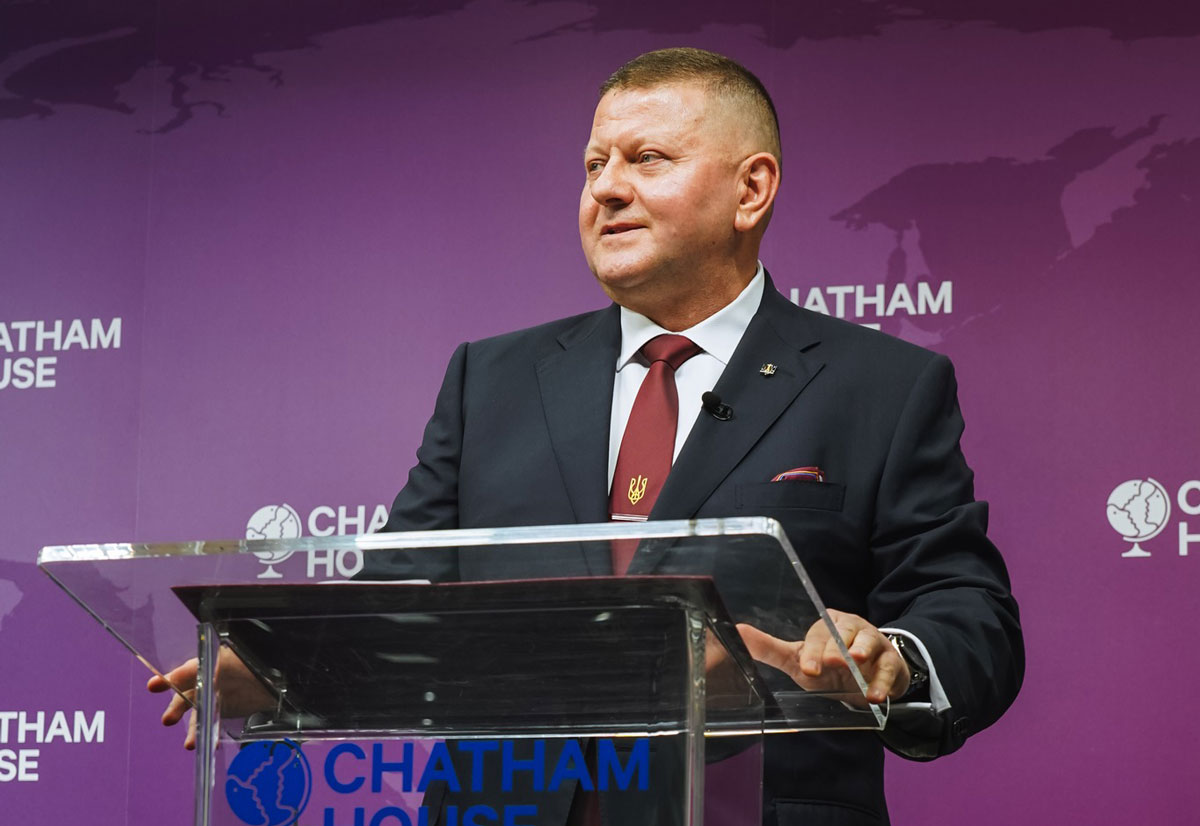
Robots have moved well beyond a supporting role on the battlefield. They conduct individual assault operations and even take live enemy soldiers prisoner, Zaluzhnyi said.
The war also showed that numerical superiority in conventional weapons does not ensure control of the battlefield. Zaluzhnyi pointed to the Black Sea:
"There is no particular difference in how many frigates, corvettes, submarines, and even missile cruisers you have in service," he said. All of that can be negated by a country whose fleet was destroyed at the start of the war. "And let's be honest, who is really controlling the Black Sea now?"
Much of Russia's Black Sea fleet has been destroyed by Ukraine's kamikaze naval drones.
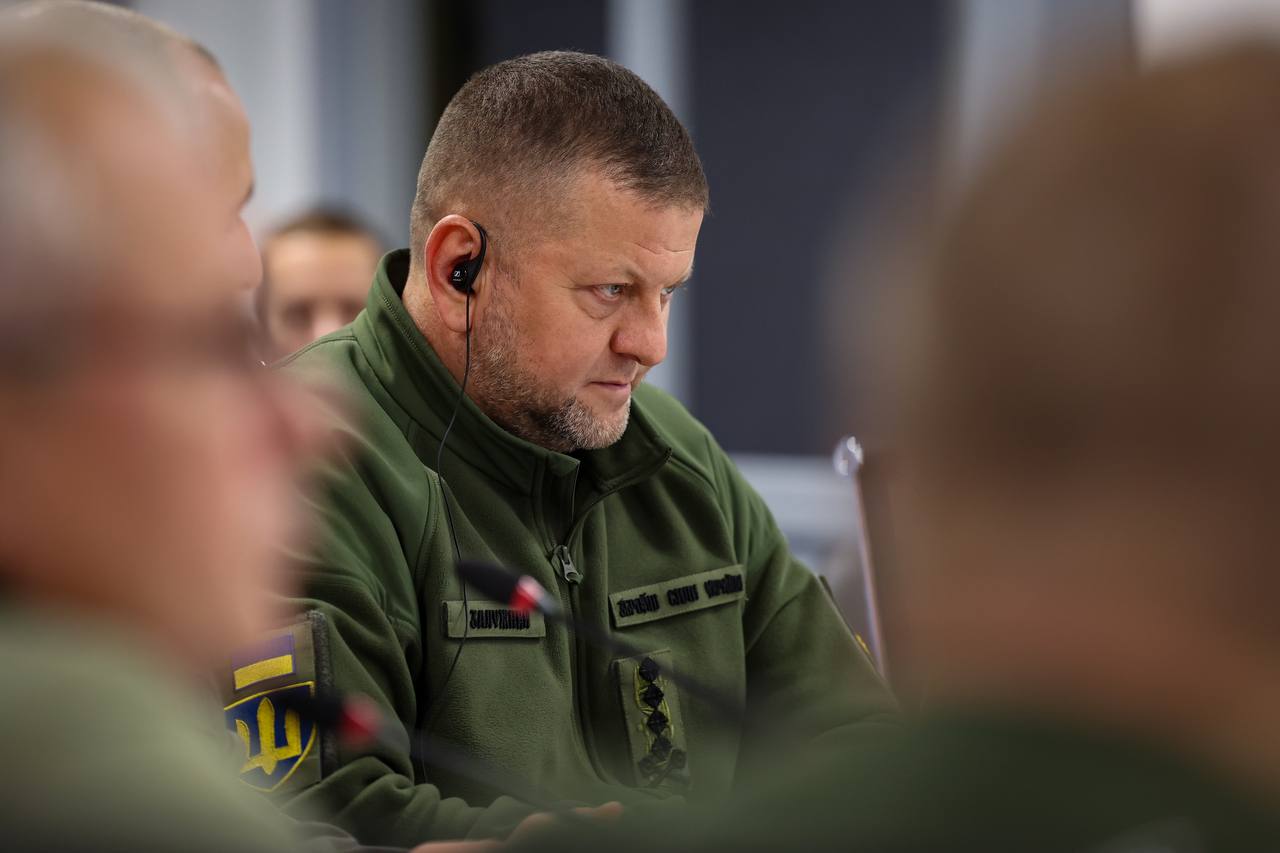
Ukraine’s decisive moment: Win by 2027 or face “autonomous swarms,” warns ex-Commander-in-Chief
Traditional mobilization "exhausted itself"
"The experience of both Russia and Ukraine shows that the traditional approach to mobilization in modern warfare has completely exhausted itself," Zaluzhnyi said.
Future wars will not involve mobilizing millions of people — instead, mobilization will be technological and economic.


