
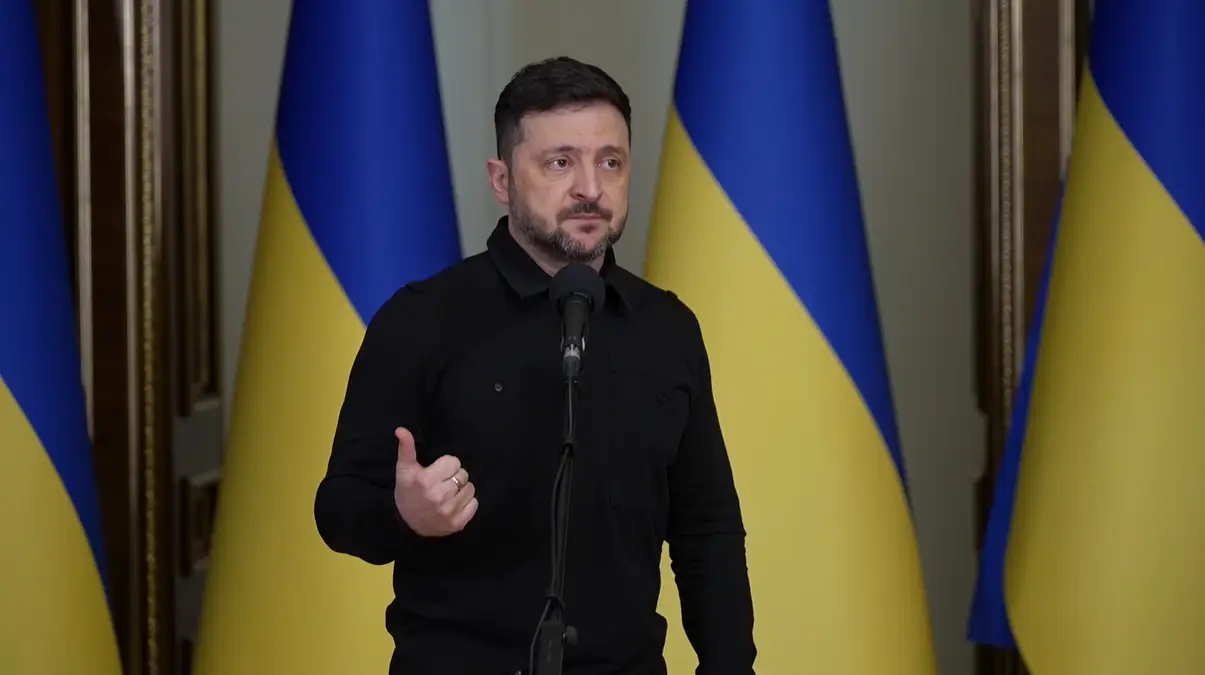
If Russia torpedoes peace talks, Ukraine will need fresh forces to continue the fight. That's why President Volodymyr Zelenskyy is rebooting his government now—weeks before critical January negotiations.
Speaking to journalists on 3 January after meeting national security advisers from 18 partner countries, Zelenskyy explained the logic: spy chief Kyrylo Budanov moves to the Presidential Office to lead negotiations, while digital minister Mykhailo Fedorov takes over the Defense Ministry to prepare for a technological war if diplomacy fails.
"There is the first path—not as painful—a peaceful, diplomatic path. And it is number one for me personally," Zelenskyy said. "But if our partners don't force Russia to stop the war, there will be another path: to defend ourselves. And for this moment, fresh forces will be needed."
"That is why I am going with a parallel reset of all structures. Just in case."
January's diplomatic sprint
The reshuffle comes as Ukraine faces a compressed diplomatic timeline. Zelenskyy outlined the schedule: military officials travel to Paris on 4 January, followed by a leaders' summit to finalize security documents, meetings with Trump's team during the summit, and a US summit at month's end.
"We are not allocating a lot of time for this," Zelenskyy said.
The negotiations center on a three-document package shared with the 18 national security advisers: security guarantees including the Coalition of the Willing and EU membership, a prosperity and recovery plan developed with the US, and a step-by-step sequencing roadmap.
Zelenskyy said 90% of the peace plan has been agreed, reduced from 28 to 20 points through Ukrainian negotiation. Two points remain unresolved—with territory the primary sticking point.

Zelenskyy’s “substantial overhaul”: Who’s who in Ukraine’s biggest government reshuffle since war began
The negotiator

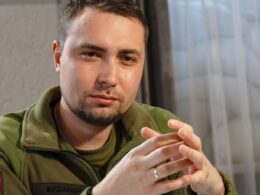
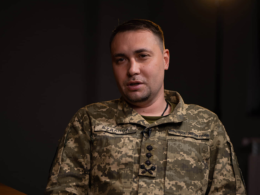
Budanov, 39, transformed Ukraine's Main Intelligence Directorate (HUR) into one of Kyiv's most effective instruments of war. Under his leadership, the agency claimed responsibility for the October 2022 Crimean Bridge explosion, pioneered naval drone warfare against Russia's Black Sea Fleet, and conducted strikes on oil refineries deep inside Russia. He has survived more than 10 assassination attempts.
Crucially for his new role: Budanov led Ukraine's delegation in secret talks with US and Russian representatives in Abu Dhabi in late November 2025.
"I am strengthening the negotiating team," Zelenskyy said. Budanov will work alongside newly appointed First Deputy Head of Office Serhii Kyslytsia and National Security and Defense Council Secretary Rustem Umerov. "My negotiating group entirely... is entirely in this building today."
Budanov replaces Andriy Yermak, who led the Presidential Office for nearly six years. Yermak's departure came amid searches by the National Anti-Corruption Bureau at his residence as part of an investigation into embezzlement at state nuclear company Energoatom.

Foreign Intelligence Service head shifts to military intelligence as Budanov moves to President’s Office
The technologist
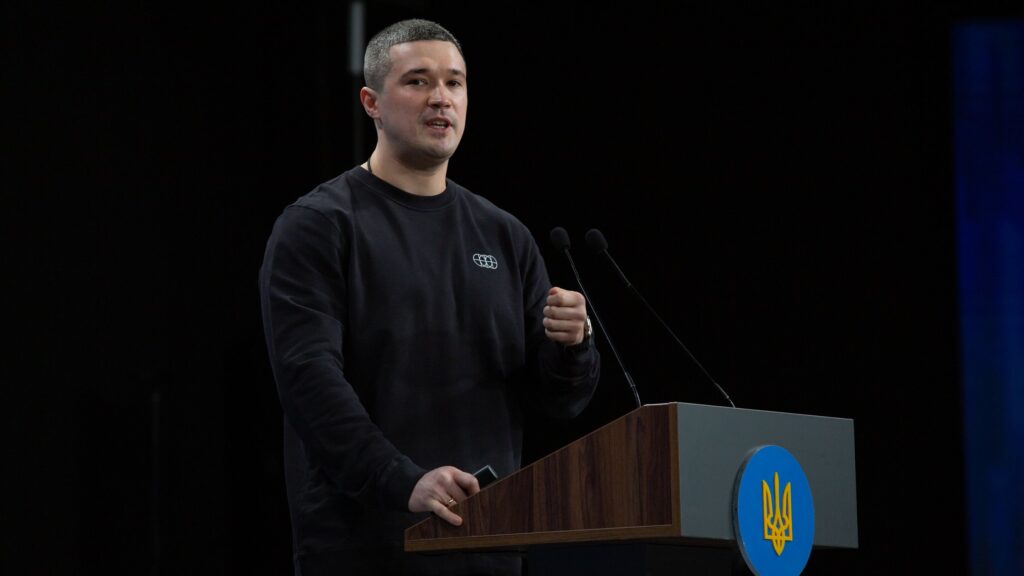
Fedorov, 34, built Ukraine's digital state from scratch. His Diia app serves over 20 million Ukrainians and made the country the first to legally equate digital passports with physical ones. During the war, he created the "Army of Drones" program that scaled Ukraine's drone production 100-fold—the country now produces approximately 200,000 drones monthly. He also launched the Brave1 defense-tech cluster and secured Starlink access by tweeting directly at Elon Musk days after Russia's full-scale invasion.
"If a continuation of the war awaits us, our army must very quickly become as technological as possible," Zelenskyy explained. "There is speed regarding technology with Mykhailo Fedorov."
Fedorov's nomination requires parliamentary approval.
What comes next
Zelenskyy described the changes as part of a systematic reboot spanning the Cabinet of Ministers, law enforcement, security services, Defense Ministry, and eventually the Armed Forces.
The president confirmed Commander-in-Chief Oleksandr Syrskyi would remain in his position for now. Military leadership changes would come only after civilian institutions are "reset and working," he said.
Asked to comment on the US operation that captured Venezuelan leader Nicolás Maduro, Zelenskyy offered a pointed response: "If it's possible like that with dictators... then the United States of America knows what they need to do next."