

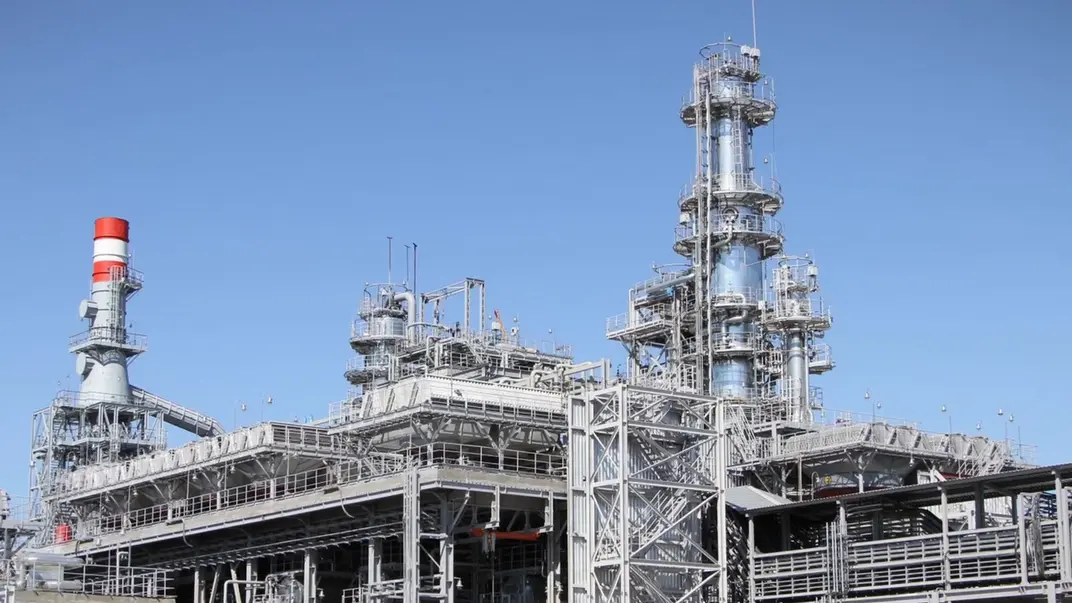
Chinese oil refineries are scaling back their imports of Russian crude following the US's imposition of sanctions on energy giants Lukoil and Rosneft, Bloomberg reports. Analysts estimate that the move could reduce Russia’s oil exports to China by nearly half, approximately 45%, or around 400,000 barrels per day.
Russian oil remains a key source of revenue that funds its military aggression against Ukraine. In 2025, profits from the oil and gas sector account for about 23% of Russia’s federal budget.
According to the International Liberty Institute, the main buyers of Russian oil remain Asian countries, as European markets are largely restricted by sanctions.
Sanctions that reshape the market
On 22 October, the US introduced its first major sanctions against Russia since Donald Trump's return to the presidency.
The measures targeted Moscow’s key oil companies, marking a new phase of economic pressure aimed at curtailing the Kremlin’s wartime revenues and forcing Russia into peace negotiations to end the war against Ukraine.
Major players freeze purchases
According to traders, Chinese state-owned companies Sinopec and PetroChina Co. have canceled parts of their orders in response to the sanctions.
Even private refiners, typically more risk-tolerant, are now avoiding Russian crude to prevent potential exposure to secondary Western restrictions.
The penalties have hit particularly hard at ESPO crude, Russia’s flagship export grade to Asia, whose price has since dropped sharply.
400,000 barrels of silence
Analysts at Rystad Energy AS estimate that China’s pullback affects around 400,000 barrels per day, which is nearly half of Russia’s total exports to China.
For Moscow, it's a sign of a gradual decline in a once-crucial market that had served as a lifeline amid Western sanctions.
The sanctions' domino effect — and who stands to gain
Russia had remained China’s top oil supplier thanks to steep discounts. However, the US and its allies are now exerting pressure also on buyers, tightening the financial chokehold on the Kremlin.
Meanwhile, energy analysts suggest that the gap left by Russian oil could benefit Saudi Arabia, Iran, and Brazil, which are already positioning themselves to capture market share.
Some are staying, others are waiting
Despite mounting restrictions, some refiners, such as the sanctioned Chinese firm Yulong, continue purchasing Russian crude due to limited alternatives.
Others are taking a cautious wait-and-see approach, wary of crossing Western red lines.
Read also
-
Russia’s oil fields 96% depleted, while investors flee and Ukraine strikes refineries, intelligence says
-
Russia keeps targeting power grid: Ukraine-controlled part of Donetsk Oblast fully blacked out, outages in three more oblasts
-
Ukraine hits Russia’s Saratov oil refinery for the seventh time — but anti-drone mesh stops a strike on key unit
-
Turkey cuts Russian oil as sanctions reshape Moscow’s last major markets – Reuters


