


Ukraine is expanding a Defense Ministry project that allows private businesses to defend their own plants against Russian aerial attacks. Owners with the right permits can field trained staff or licensed security firms, plugged into the national air-defense network under Air Force command. The crews are mostly combat veterans, and the military still controls when they fire, RFE/RL reported.
A project that lets companies defend their own skies
The initiative began in late 2025 and now attracts growing private interest, with 24 companies signed up, including large logistics, manufacturing, and trade firms. Owners can protect their sites through their own staff or through licensed private security companies, once they have obtained the necessary permits and approvals.
These units operate within the single national air defense network run by Ukraine's Air Force. Crews are civilian workers who pass training, and they choose weapons by preference and budget, from machine guns to interceptor drones. Ukraine has been steadily widening this kind of private air defense to shield critical infrastructure.

Ukraine’s air defense goes private: businesses can now buy point coverage for their own sites
Who is allowed to shoot
The crews are mostly combat veterans, training center head Anton Veklenko said. Intercepting an enemy target is "the elite of unmanned aviation," he said, and the program raises veterans' skills specifically for air interception.
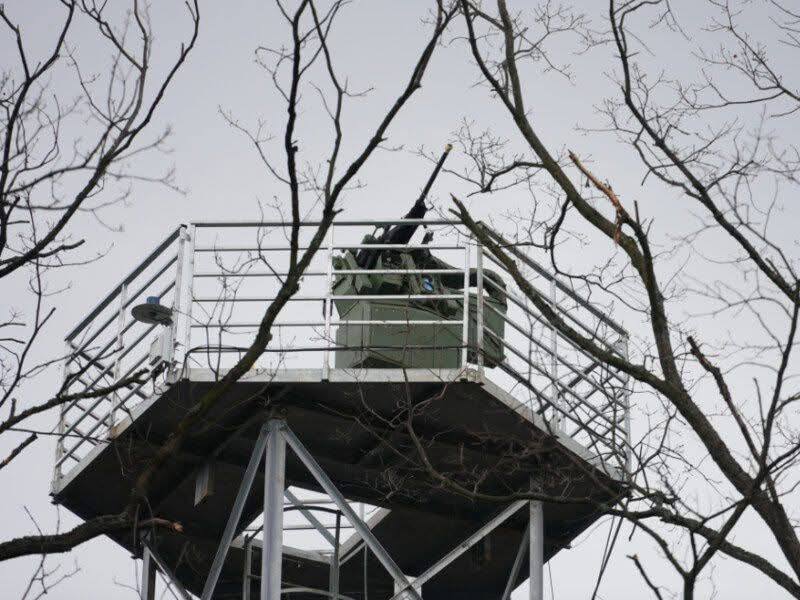
A member must hold a deferral from mobilization or be demobilized, and these fighters get no reservation status. Valerii Kocherha, who left the military for the reserve last summer, now runs the security firm Hvardiia and provides such services. His company holds an Interior Ministry security license and a Defense Ministry order for the work, he said.
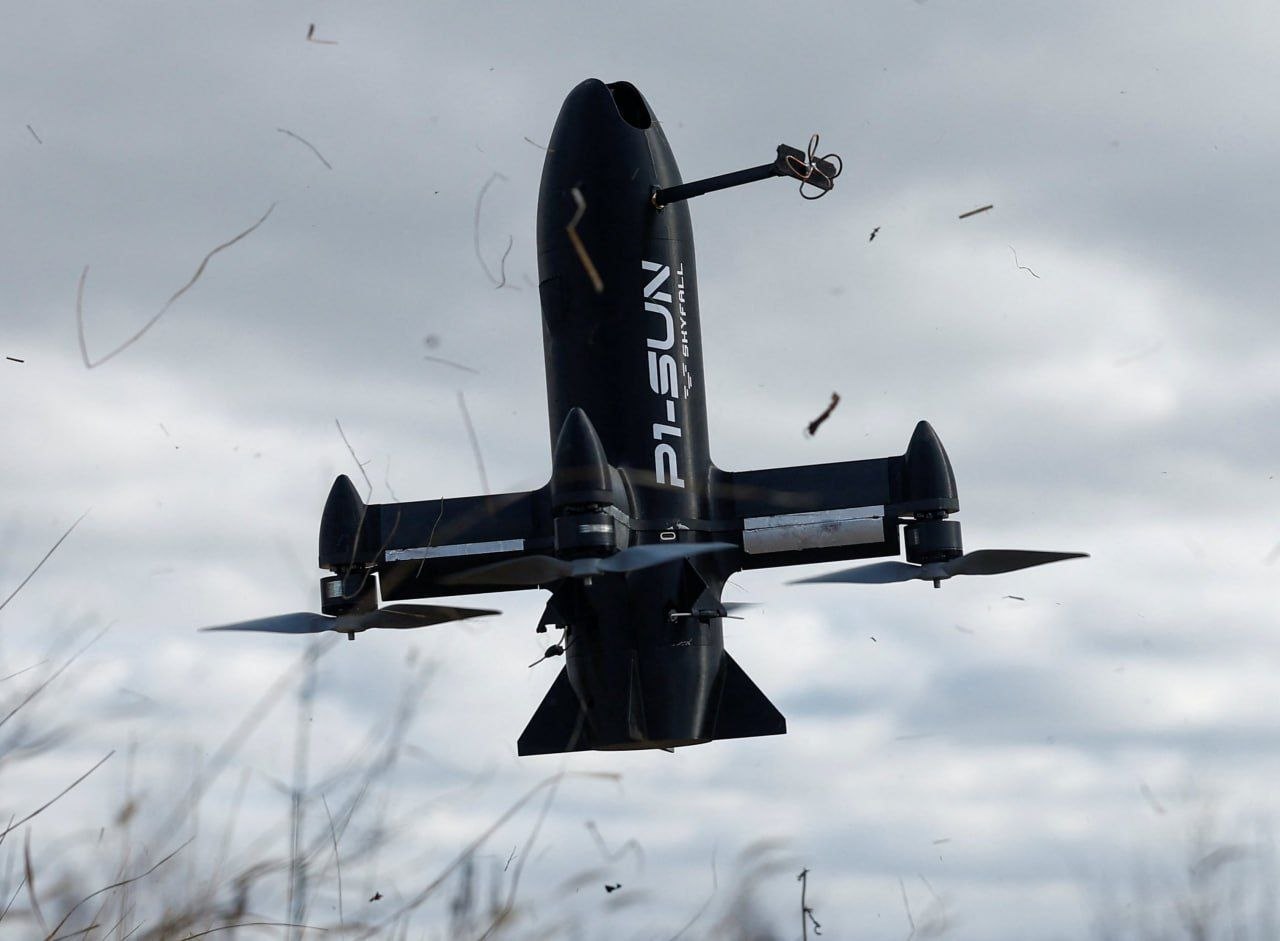
The military keeps the trigger
Private crews do not act alone. They cannot fire without the Defense Ministry's target and permission, a Carmine Sky representative named Ruslan said, describing a layered system built "like an onion." State air defense plays the strategic role while private crews cover local sites, he said.
Training uses virtual-reality goggles and a practice-heavy Browning machine gun, with simulated Russian Shahed attacks on critical infrastructure for trainees to repel. Another class trains pilots of first-person-view interceptor drones.

The Defense Ministry says it wants private and conventional air defense working together to repel 95% of aerial attacks, calling private crews a layer of a multi-layered shield under Air Force command.


