

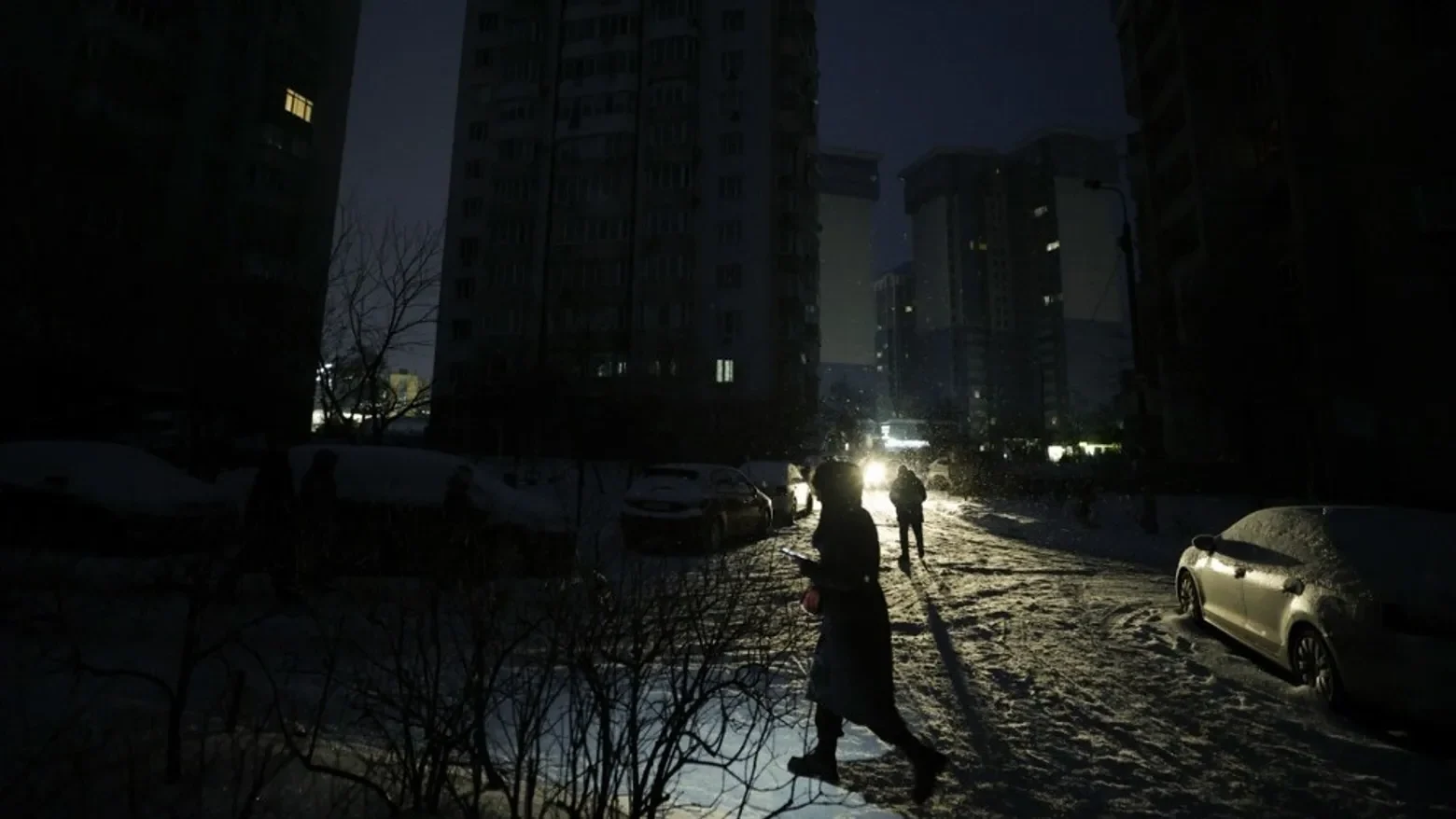
Ukraine's electricity demand reached 18 gigawatts on the evening of 15 January, while the power system's capacity stood at only 11 gigawatts, President Volodymyr Zelenskyy said during a press conference following his meeting with Czech President Petr Pavel.
This means demand exceeded available supply, forcing scheduled blackouts and rolling outages across regions to prevent a total grid collapse.
Zelenskyy stressed that the energy situation changes daily as restoration work continues but declined to specify where repairs are underway, citing security concerns.
"This creates a risk of repeated strikes," he said.
The president said that alongside repairs, efforts are being made to boost electricity imports.
"We have a large number of repair crews. But they can't do everything themselves, it's complex work. Work is ongoing not only to restore stations, but also technical capabilities to increase electricity imports," Zelenskyy said.
256 strikes on energy infrastructure
Since the start of the current heating season, Russian forces have struck Ukrainian energy infrastructure 256 times, according to the Security Service of Ukraine. Since October 2025, Russian troops have deliberately targeted 11 hydroelectric plants and 45 of Ukraine's largest thermal power stations.
The Ministry of Energy says Kyiv and Kyiv region face the most difficult situation.
Following the latest massive attack, Zelenskyy announced that an emergency regime would be introduced in Ukraine's energy sector. In areas under the emergency declaration, curfew restrictions may be eased, allowing residents to stay at "Points of Invincibility" and drive without special passes.
A special coordination headquarters has been established to manage the crisis in Kyiv, which has experienced power and heating outages after Russian attacks. The government announced that winter school holidays in the capital would be extended or set to continue until February 1, 2026.


