


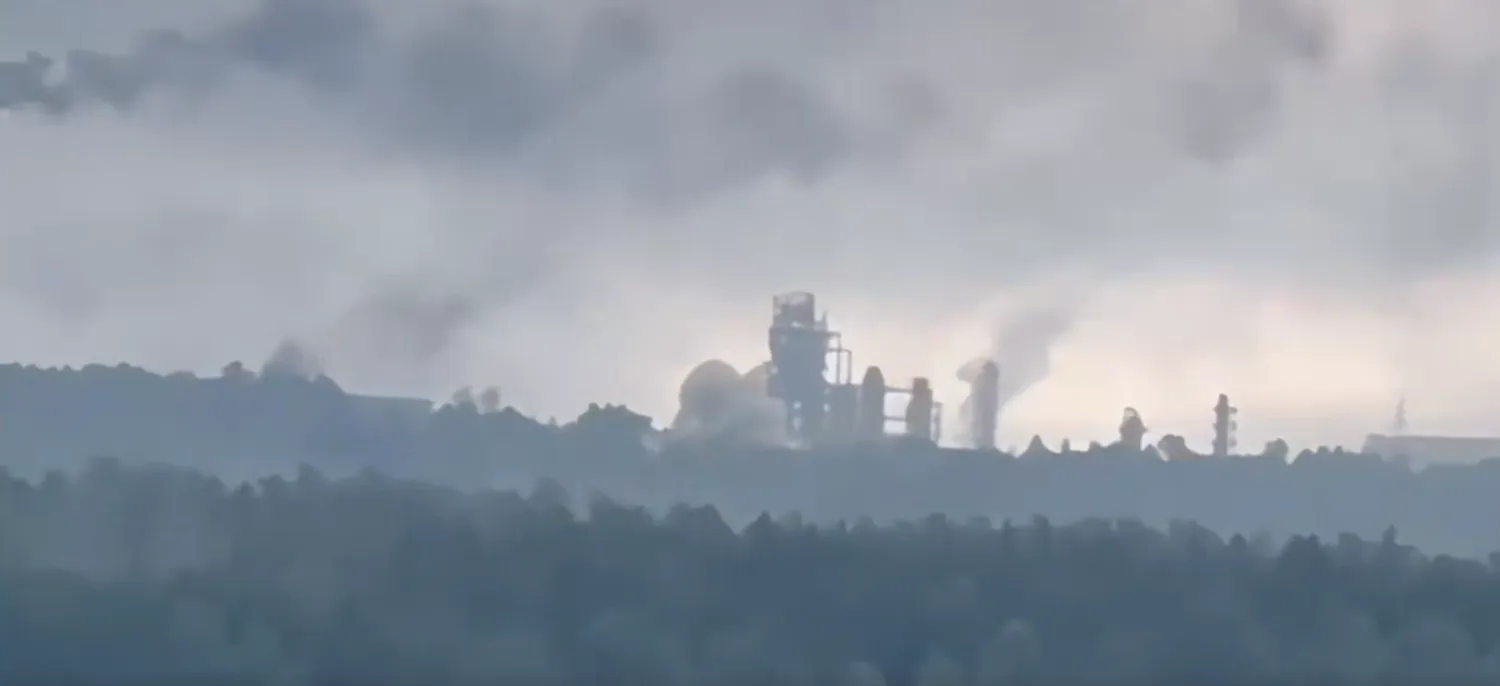
Explosions were again observed above occupied Crimea on the night of 21 August, with part of the peninsula enduring a blackout just one day after a peninsula-wide blackout following explosions that were attributed to the partisan movement ATESH and the Ukrainian defense forces. Occupation officials have admitted to power outages, and drones were shot at by mobile air defense groups, bright flashes were registered above Tavriiska thermal power plant.
Ukrainian authorities have not taken responsibility for this night's strikes; Russian authorities have not commented on the targets or consequences of the attacks.
These strikes come amid Ukraine's ongoing efforts to isolate Crimea and therefore weaken Russia's ability to conduct offensive operations in south-eastern Ukraine. While retaking Crimea has not been stated as Ukraine's primary objective, cutting off its power would not only weaken it as a key military base used to move troops and weapons to attack Ukrainian forces, but also force Russia to pour resources into maintaining civilian life there.
The monitoring channel Crimean Wind logged explosions and gunfire from mobile fire groups from around 01:00 until close to 05:00 across Simferopol, the village of Radianske, Vilyne, and Alushta. Residents reported jet-powered drones passing over Simferopol in the direction of the Tavriiska thermal power plant, with bright flashes seen near it—reported, not confirmed.
A pro-Russian outlet gave the same trajectory, saying monitoring channels tracked targets moving toward the plant while stressing the data was unofficial. No damage to the plant has been confirmed.
Grid on fire
The overnight explosions followed a wider blackout a day earlier. On the night of 20 August, full outages were reported in Simferopol, Sevastopol, Kerch, Feodosia, and Yalta; the partisan movement ATESH claimed the Sevastopol explosions, and drones hit the Taman oil-and-gas terminal and the 500 kV Taman substation in Russia's Krasnodar Krai—a main node of the energy bridge carrying power across the Kerch Strait—igniting fires recorded by NASA's FIRMS satellite service, in a strike Ukrainian outlets attributed to Kyiv's Defense Forces.
The strikes land on a grid that has been under fire since June. Ukrainian drones blacked out all of occupied Sevastopol on 24 June, with roughly half of Crimea already dark, in an attack whose target was the Balaklava power plant.
Occupation authorities have kept Crimea and Sevastopol under a regional state of emergency since 26 June. Krymenergo, the Russian-installed operator, has repeatedly conceded outages caused by Ukrainian attacks, and the occupation head of Crimea, Sergei Aksyonov, has said the authorities are limiting what they disclose to residents.
Ukraine hits major Russian refinery and Black Sea oil terminal as drones strike substation powering occupied Crimea
Ukrainian officials have described the strikes as stages of a plan to cut occupied Crimea off from mainland Russia, Euromaidan Press has reported. Defense Minister Mykhailo Fedorov has said his forces are turning the peninsula into an island; the SBU has vowed to make it a zone of constant losses until Russian troops leave.
Occupied peninsula in Ukraine's crosshairs
The campaign aims to make Crimea unusable to the Russian military and is only its first phase, the commander of Ukraine's Unmanned Systems Forces, Robert "Madyar" Brovdi, has said — noting that because much of Russia's air defense runs on the grid, cutting power leaves Russian forces "blind."
Commander-in-chief Oleksandr Syrskyi has framed Ukraine's aim for the year as defensive, exhausting the Russian army rather than retaking Crimea, even as the peninsula has become the main focus of the drone campaign.

Ukrainian commander: Russia can’t buy the air defense to hold Crimea. The microchips don’t exist.
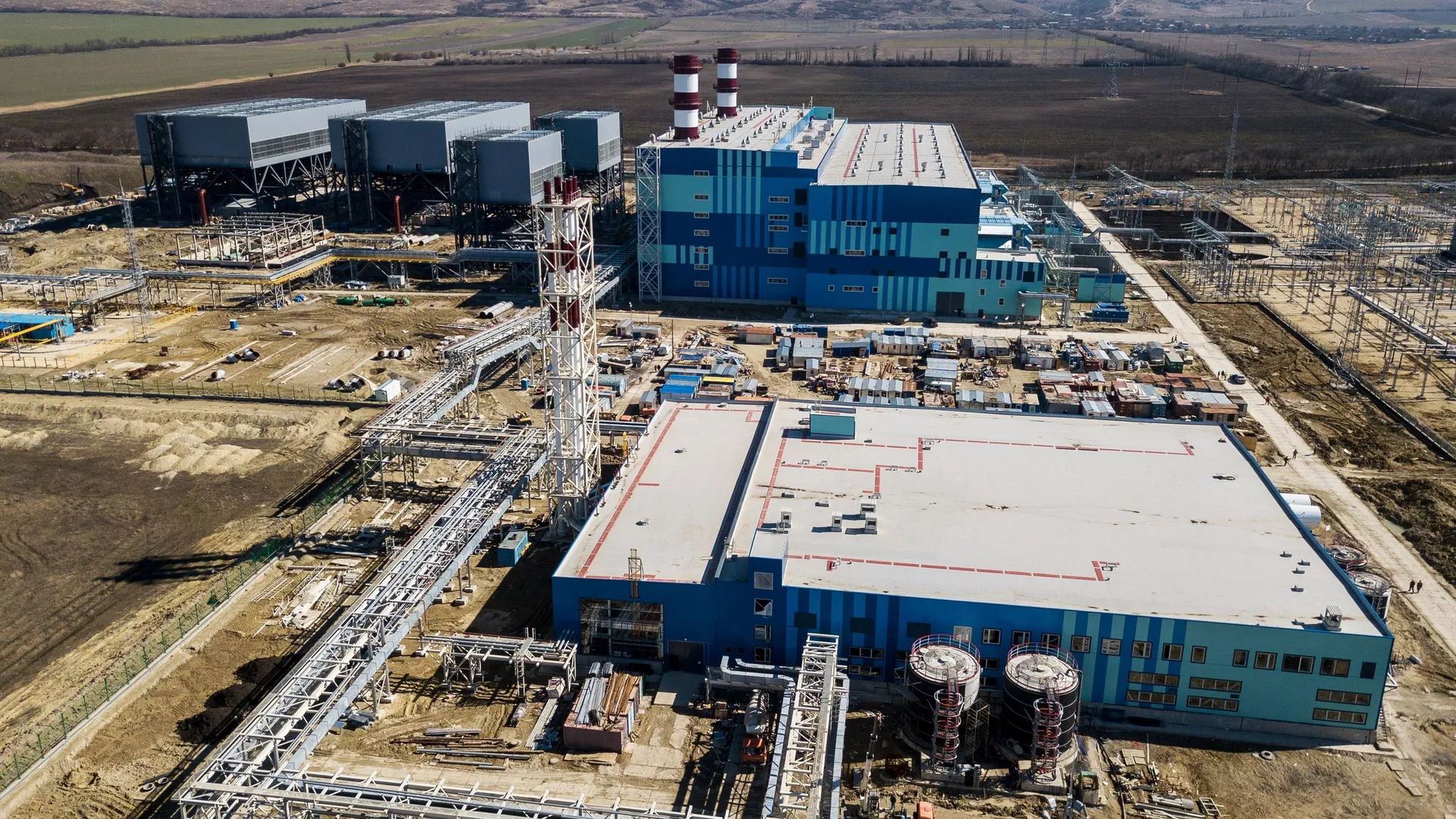
The plants now drawing fire were built to make that pressure survivable. Balaklava, near Sevastopol, and Tavrida, near Simferopol, were opened by Vladimir Putin in 2019 to end Crimea's dependence on electricity from mainland Ukraine, which Kyiv cut in 2015.
Both are gas-fired and built around Siemens turbines moved to the peninsula in breach of EU sanctions, as Euromaidan Press has reported; because Russia can no longer properly repair them, each hit compounds the last. Since they burn gas piped from Russia, strikes on gas-distribution and compressor stations can choke their output as surely as a hit on the plants.
Whether the plants have taken damage in the latest strikes is unclear. A satellite thermal anomaly was logged at Tavrida during a 20 June attack, but the plant has been targeted repeatedly since—tonight included—which suggests it is at least partly still running. Occupation authorities have reported no damage to it.
Read Also
-
Russia is out to break Ukraine’s economy this winter, and the Netherlands will help keep the F-16s that shoot down its drones in the air—Jetten
-
Two ships sunk and a third set ablaze off NATO coasts in two days, and neither Bucharest nor Sofia will say “Russia”
-
Three ambulances hit, a woman killed at home: 25 minutes of Russian drone attacks on Kramatorsk


