


Japan's Self-Defense Forces shadowed four Russian missile boats as they passed close to the country's northern coast, the Japanese Joint Staff reported. The warships never entered Japanese waters, yet the move sharpened a diplomatic standoff over islands Russia seized in 1945. Tokyo lodged a protest and summoned Russia's ambassador.
Japan tracked the warships back through the strait
On 14 August, Japan's Maritime Self-Defense Force spotted the four boats near Cape Soya on Hokkaido, heading west. A P-3C patrol aircraft from the 2nd Air Wing watched them and gathered information. The boats stayed 40 kilometers from shore and did not cross into Japanese waters.
The vessels carried hull numbers 916, 946, 971, and 978. Japan had spotted the same four ships on 9 August, 70 kilometers northwest of Rebun Island. They then passed east through the Soya Strait before doubling back.
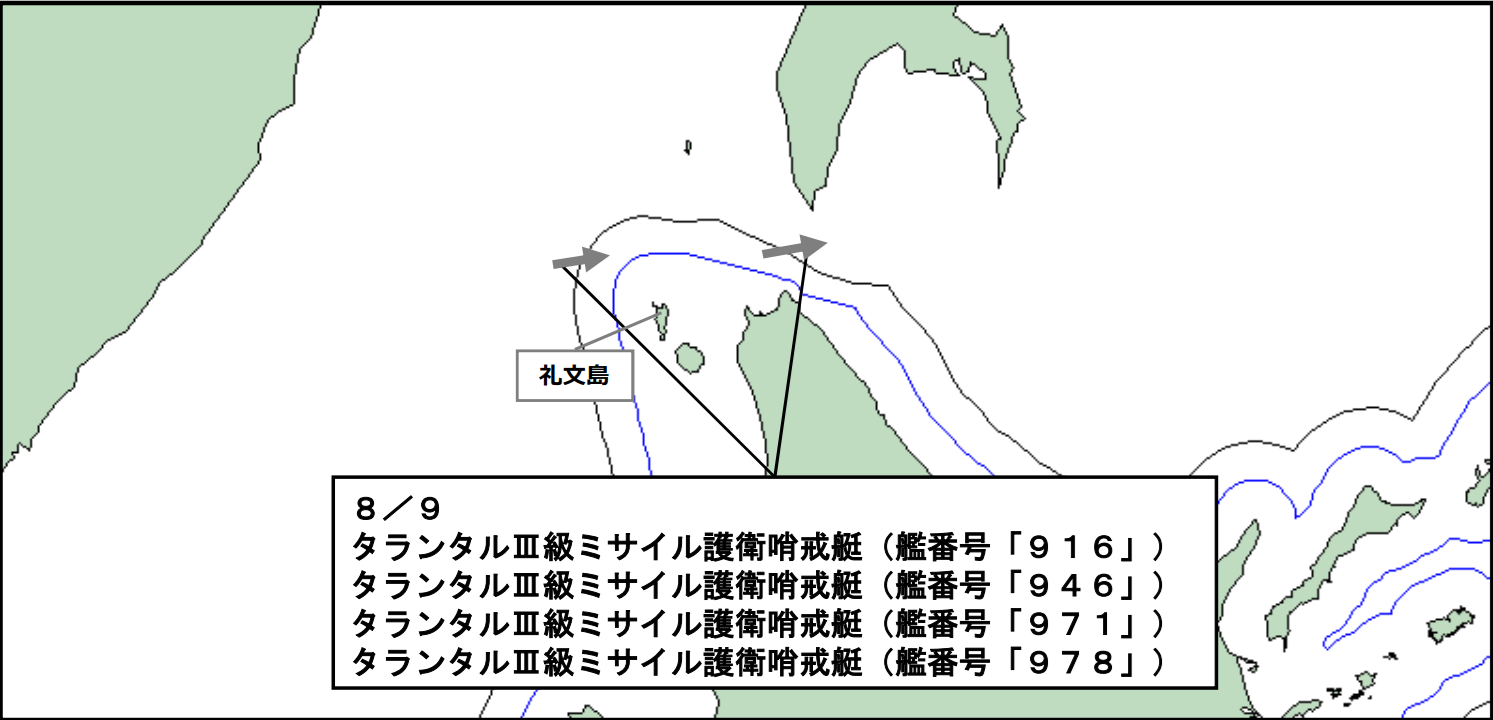
The transit followed Putin's trip to a contested island
The return passage came days after Vladimir Putin visited Iturup—one of the Kuril Islands—on 13 August. The Soviet Union seized the island in 1945, breaking a neutrality pact it had signed with Japan. Moscow treats the Kuril archipelago as strategically vital and keeps building up forces there. Iturup hosts the Burevestnik military airfield.
Japanese Prime Minister Sanae Takaichi called Putin's trip absolutely unacceptable. She said it contradicts Tokyo's stance on the Northern Territories, as Japan calls the islands. Japan's Foreign Ministry summoned Russia's ambassador, Nikolai Nozdrev, and lodged a firm protest. It asked him to pass Tokyo's position to Moscow at once.

What the Molniya-1 missile boats carry
Militarnyi noted that the project 12411M Molniya-1 boats, which NATO calls Tarantul III, come from the Almaz Central Marine Design Bureau. The first entered service in 1981.
They are built to hit surface targets in coastal and near-sea zones. Their main upgrade over earlier versions was four supersonic Moskit anti-ship missiles, replacing the older Termit.
Each boat can reach 41 knots and carries a crew of 40. Its weapons include a 76mm gun, two rapid-fire 30mm mounts, and Igla-1 air-defense missiles.
The four belong to Russia's Pacific Fleet. The oldest, hull 971, entered service in 1990, and the newest, hull 916, in 2003.


