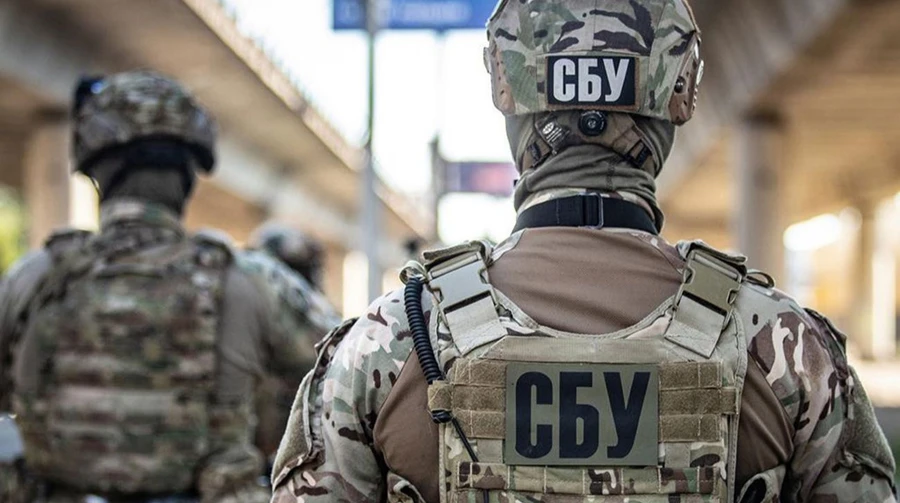
Russia is trying to kill Ukrainian soldiers by offering them dates with women who do not exist. Ukraine's Security Service (SBU) has warned that the occupiers have begun actively using "honey traps" to try to kill Ukrainian military personnel, luring soldiers through online dating and staged meetings.
Honey traps were a classic method of the Soviet security services, the NKVD, MGB, and KGB, which used romantic or sexual relationships to recruit or gather compromising material on foreign diplomats, journalists, politicians, and military officers.
Russia has now revived the technique for a deadlier purpose: not to compromise Ukrainian soldiers but to kill them, and since the start of 2026, the SBU has prevented more than 50 such attempts.
It is a lethal variant of the Telegram-based recruitment and assassination campaign Russia has run throughout the war, which Ukraine has documented in bomb plots and forged-document schemes against soldiers.
How the trap works
The method starts on dating platforms. Russian agents work from fake accounts on dating sites and themed messenger chats, offering soldiers close relationships, then Russian special services arrange a meeting at a prepared location for the soldier's murder, according to the SBU.
The killers use bombs and poison. Most often, the attackers plant improvised bombs at the planned attack site, and they also use lethal poisons synthesized from narcotic, psychotropic, and other chemical substances.
The documented cases
The SBU described specific attempts it stopped. In March 2025, in Kharkiv Oblast, an FSB agent posing as a volunteer gave a soldier medicine and food laced with poison, and another agent sent a soldier a bottle of drink spiked with a lethal dose of methadone, proposing they drink the "gift" together over a video date. SBU officers intercepted the package, and chemical analysis confirmed the poison.
In January 2026, counterintelligence detained an FSB killer who lured a soldier to a Zaporizhzhia industrial zone for a "date," where a masked attacker stabbed him six times in the neck, chest, abdomen, and leg. The SBU detained the attacker and identified the woman who had baited the soldier from a fake account. The soldier survived.
Read also
-
Ukraine blocks Russia from outflanking its fortress cities in Donbas, retaking 277 square kilometers and hitting 8,000 Russian troops
-
“Starshield systems are owned and controlled by the US government”: Musk says Trump, not SpaceX, is behind cut hitting Ukraine
-
“He thinks Ukraine is a weak link and that it needs to be squeezed into giving in”: diplomat on why Trump pressures Kyiv, not Moscow