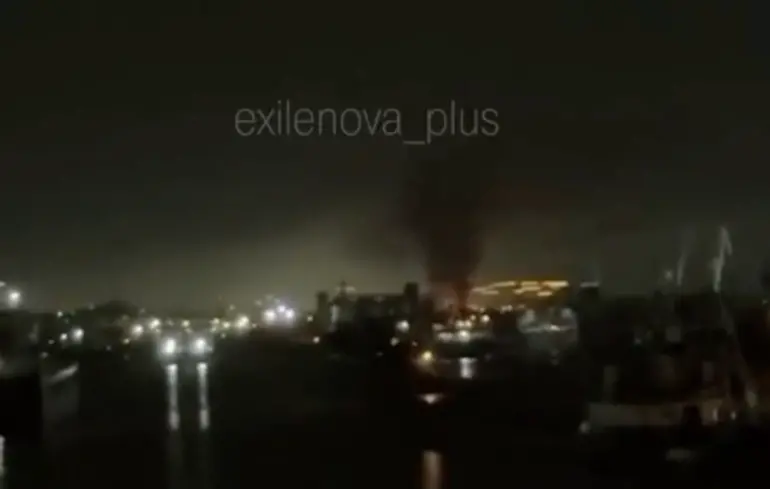
Ukrainian long-range drones struck targets across several Russian regions overnight on 27 July, hitting sites from the front line to more than a thousand kilometers inside the country, monitoring channels reported. President Volodymyr Zelenskyy confirmed the attacks and tied them to what he calls Ukraine's plan of long-range sanctions on Moscow's war economy. The targets ran from a sea-port terminal near the war zone to oil infrastructure deep in Russia's rear.
Belgorod: a strike near the FSB, then a missile system detonated
In Belgorod, drones hit near the Federal Security Service (FSB) compound, Russia's domestic security agency, while more explosions and fires were recorded elsewhere in the city, local outlet Pepel reported. Ukrainian reports also listed Interior Ministry offices among the targets.
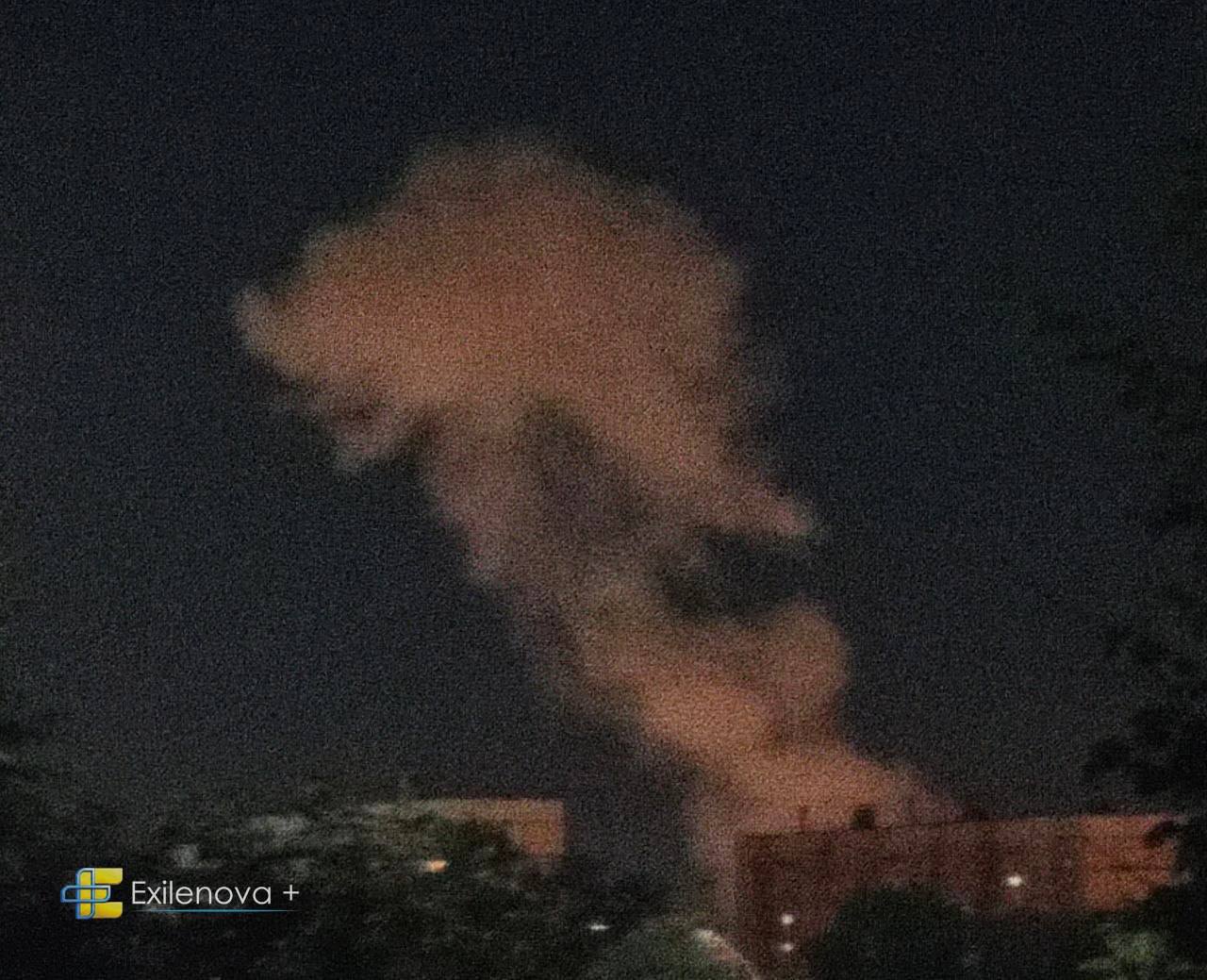
Ukraine likely struck an air-defense system in the city too. Footage shared by Exilenova+ showed a fixed-wing drone hitting a target in the center, followed by a detonation typical of a solid-fuel missile and a column of black smoke, Militarnyi reported.
Belgorod's operational headquarters confirmed the attack, claiming several apartments and more than 15 parked cars caught fire. Parts of the city lost power and water, Pepel noted.
Rostov-on-Don: fire at the sea port
At Rostov-on-Don, Astra placed the strike at the sea trade port, with smoke rising over its fourth cargo district by morning. The port sits on the Don River but holds sea-port status in the Azov–Black Sea basin, handling foreign-flagged ships bound for the Black Sea and Mediterranean.
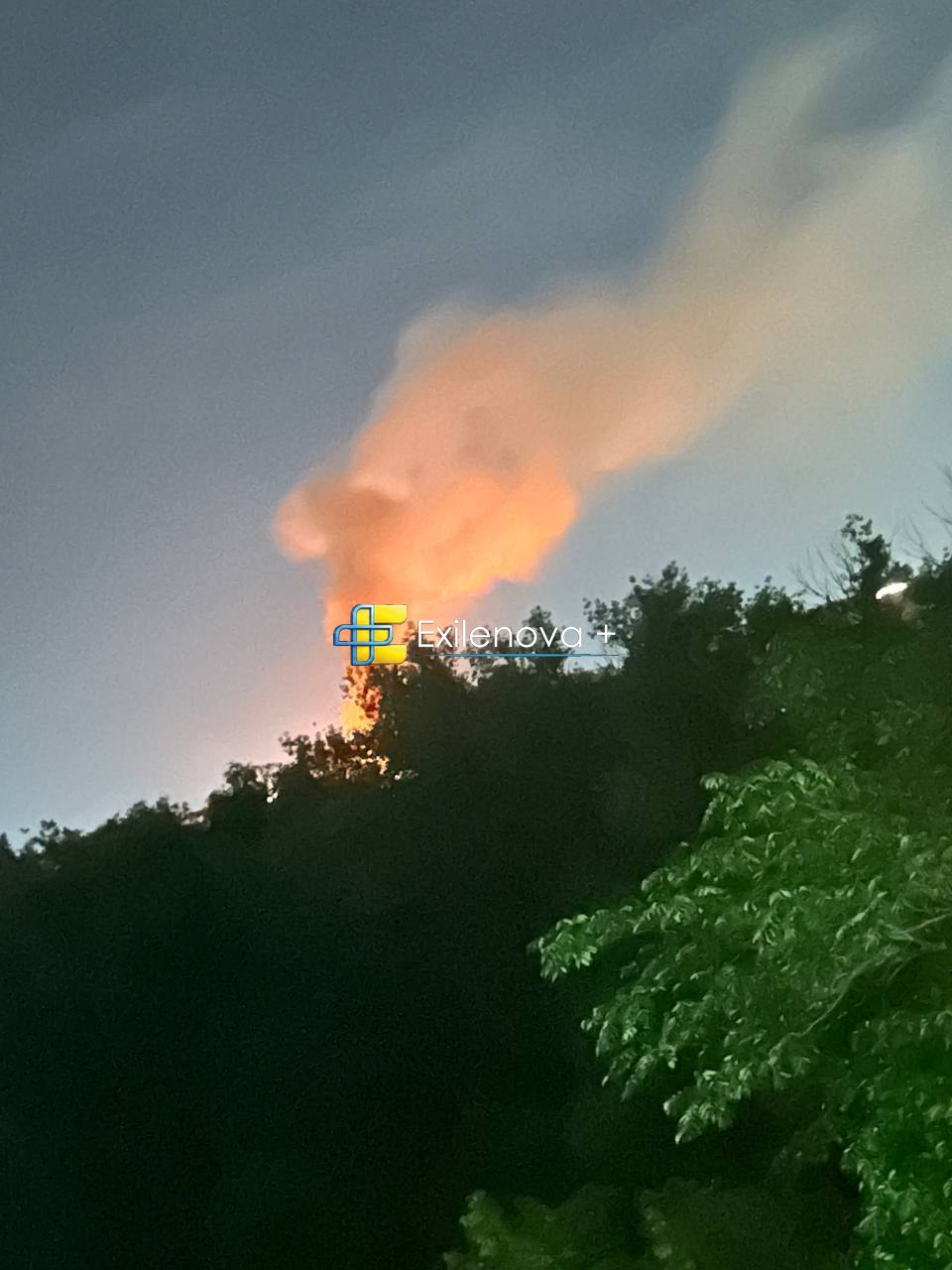
At the time of the strike, ship-tracking service MarineTraffic showed five civilian vessels in the Don near the city, Militarnyi reported. Rostov's governor, Yuri Slyusar, claimed fires at a private enterprise and warehouses, though his casualty figures shifted between statements.
The port already runs at minimal capacity amid Operation MoLoChKa—whose stylized name abbreviates “Moscow will fall through Crimea”—Ukraine's campaign against Russian maritime logistics, including the shadow fleet that circumvents sanctions to transport oil. Its drones have struck 200 vessels in the Azov and Black seas, according to the current stats on the drone forces website.
Udmurtia: explosions 1,300 km away
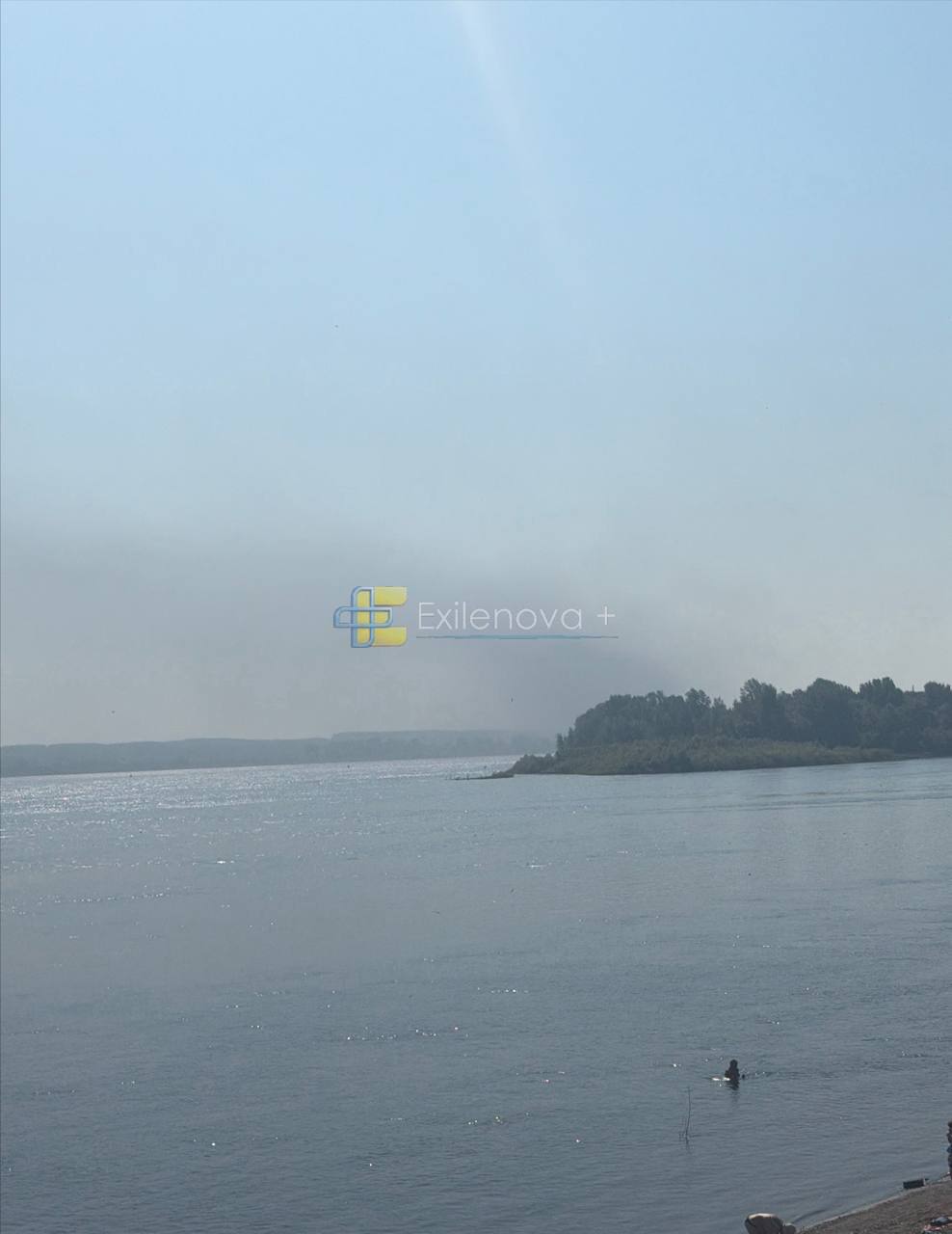
Far to the east, explosions hit the Udmurt Republic near Sarapul, Astra reported, and Exilenova+ noted smoke on the town's outskirts. The head of the republic, Aleksandr Brechalov, claimed air defenses were repelling a large attack and that several drones were shot down.
Zelenskyy and the General Staff confirm
Zelenskyy confirmed drones hit an export terminal in Rostov Oblast, about 250 kilometers from the front line. Deep strikes also hit oil facilities in Yaroslavl Oblast and the Udmurt Republic, roughly 1,300 kilometers from Ukraine's border, he said.
"This night our long-range sanctions worked in Rostov Oblast," he wrote, saying the strikes reduce Russia's ability to finance the war.
Ukraine's General Staff said its forces struck the Rostov-on-Don terminal, recording a hit followed by a fire.
Russia's Defense Ministry claimed it downed 276 drones overnight, without saying how many got through.

Ukraine draws up a new target list for its long-range drones—and vows to keep firing
A week earlier, Ukraine's Security Service said drones damaged the tank farm of the Subkhankulovo oil-pumping station in Bashkortostan, then the agency's farthest strike at 1,350 kilometers.
On 25 June, Ukrainian drones hit the Tyumen oil refinery some 2,000 km out and set fire to a Wildberries warehouse in Yekaterinburg roughly 1,800 km away.