


The parts of Russia that once felt too far away to worry about are now on Ukraine's strike map, President Volodymyr Zelenskyy said after a meeting with his top military commanders on 26 July. Kyiv will press ahead with its long-range campaign and has updated which sites to hit first, he added. The commanders did not reveal the targets themselves.
Kyiv's commanders sign off on the next phase
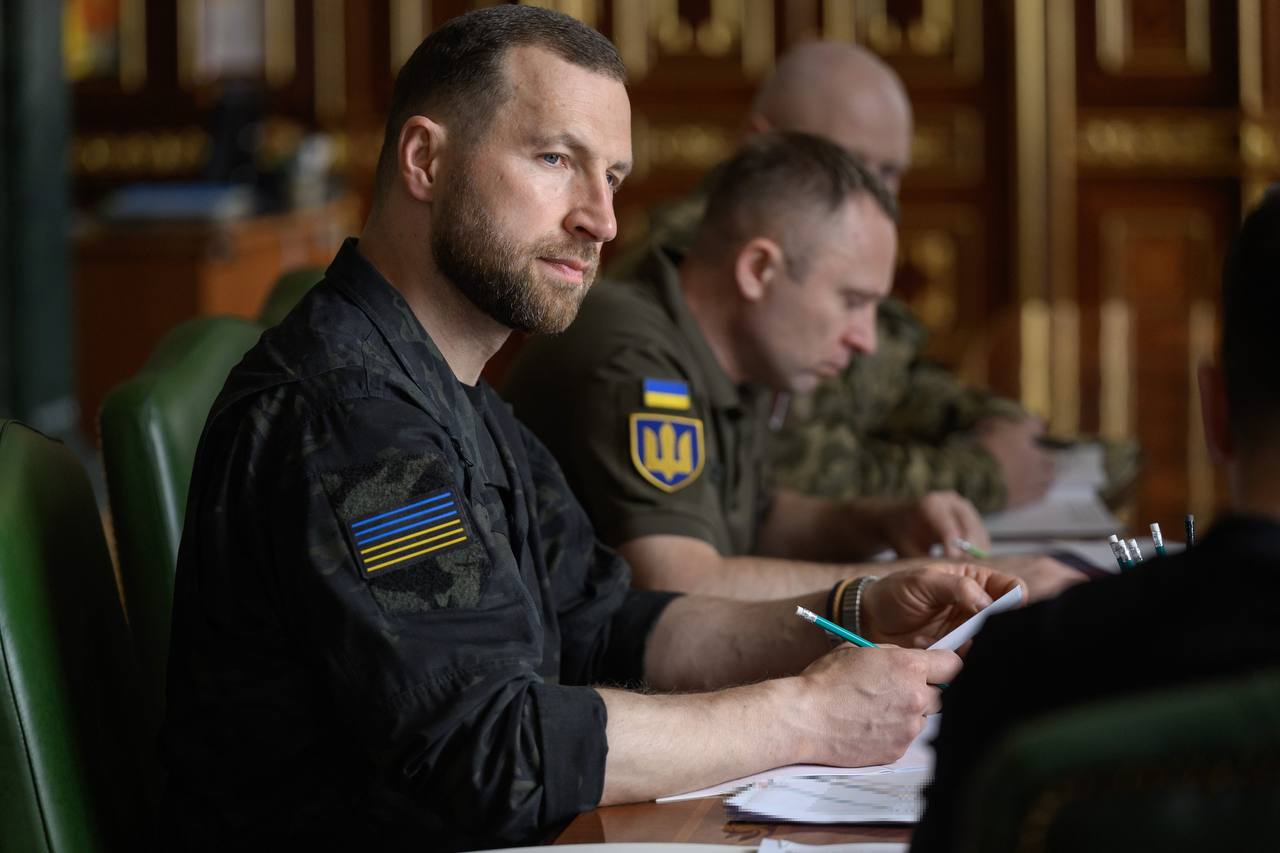
Zelenskyy convened Ukraine's military leadership to review the long-range strikes. He left with two decisions—keep the operations going and refresh the priority list.
Photos the President posted showed new Commander-in-Chief of the Armed Forces Mykhailo Drapatyi, acting Defense Minister Yevhenii Khmara and Chief of the General Staff Ihor Skybiuk among those at the table. Kyiv chose the new priorities by one measure: how much each site damages Russia's ability to keep waging the war.

Zelenskyy once again called the effort Ukraine's plan of "long-range sanctions," carried out along set priorities.

One plant makes the seats that save Russian pilots—Ukraine’s Flamingo missile torched it 1,200 km from home
Russia's depth stops being an advantage
Ukrainian strike distances now run past 3,000 km, Zelenskyy noted, saying Kyiv keeps building the range to reach further. For years, Russia's size kept its factories and fuel plants out of harm's way.
"The strategic depth of the rear, which for a long time was a Russian advantage, is now becoming a particular problem for Russia's political and military leadership," he said.
Most of Russia's air defense, he noted, sits bunched around Moscow, state residences, the Kerch Strait Bridge and St. Petersburg. Ukrainian drones, he added, have shown they can reach targets in the Urals, in Siberia and in other lands far from the capital.
What Ukraine has hit—and what it still targets
Since the plan began this year, Ukraine has run more than a thousand fire missions, striking oil sites, critical military production and key nodes of Russian logistics, Zelenskyy said. Several parallel deep- and mid-range campaigns run at once. They target:
- oil and fuel sites in Russia and occupied territories
- military factories
- ships in the Azov and Black seas
- the power grid in occupied Crimea
- air defense, logistics and military bases across the occupied areas
- Wildberries, a Russian Amazon-style retailer that also moves non-lethal military gear and drone components
Zelenskyy did not name the specific new targets. Neither has he reiterated all the well-known ones.
The goal is a push toward talks
The point of all this pressure, Zelenskyy said, is to force Russia toward negotiations. He wants the strikes to make weapons components harder to build, pile up oil and economic losses, and, in his words, bring the war back to its "home harbor." Ukraine has handed Russia's leadership everything it needs to end the war on decent terms, he said, and its partners know what that takes.
"Our precision is working effectively to create conditions for real diplomacy," Zelenskyy said.
Recent long-range hits
Several notable long-range strikes occurred in the days before the meeting. On 24 July, an FP-5 Flamingo cruise missile hit the Avitek military plant in Kirov, about 1,200 km from Ukraine. The next day, drones hit the Tyumen oil refinery some 2,000 km out and set fire to a Wildberries warehouse in Yekaterinburg roughly 1,800 km away.
Read also
-
Two Russian oil sites burning north of Kazakhstan—Ukraine hit both in the dark
-
“Very good results” – Wave of Ukrainian strikes across Russia and Caspian Sea overnight target warships, air defenses, logistics
-
Ukraine hit 147 Russian shadow-fleet ships in 10 days. Now Moscow is pulling its best drone unit off the front to guard the tankers, partisans say


