


In July 2026, two things happened that the German government insists have nothing to do with each other. A German state licensed a factory to make nuclear fuel with Vladimir Putin’s atomic corporation. And a newspaper exposed a secret channel in Baku, where retired German grandees had been meeting Putin’s allies to talk about the war.
Berlin is right: the two are unconnected. No shared actors. No money moving between them. Because the pull back toward Russia does not need to be coordinated.
Three years of war have changed Germany’s language about Moscow faster than its instinct to keep a door open—and the instinct keeps surfacing, in the quiet judgment calls that go Russia’s way, and in the old networks its elders keep warm.
The company that would supply the license is the same one that controls the occupied Zaporizhzhia nuclear plant, seized by Russian troops in 2022.

“No legal way to refuse”
On 22 July, the state of Lower Saxony approved plans for the French firm Framatome to produce Russian-designed fuel elements at its Lingen plant, using the technology of Rosatom’s subsidiary TVEL. The company that would supply the license is the same one that controls the occupied Zaporizhzhia nuclear plant, seized by Russian troops in 2022.

Surprise! Rosatom, that Russian “energy” giant, is actually building nukes for Putin
The decision came wrapped in a now-familiar argument: our hands are tied. German law compels an authority to grant a license once the technical conditions are met; political misgivings carry no weight.
The only instrument that could stop such cooperation, the federal environment ministry said, would be EU-wide nuclear sanctions—for which there is no majority among member states. The law had no off-switch, and the sanctions that would supply one do not exist.
It is a tidy account, and the legal mechanism is real: once the conditions are met, the ministry said in a statement, an atomic-law permit must be granted. But the account skips past where the discretion sat.
German atomic law allows the authority to refuse a permit on security grounds—the discretion the ministry had Professor Gerhard Roller assess in 2023—and the ministry’s own statement concedes the risks lie “within the authority’s discretion.” The license became unavoidable only after the government judged those risks manageable, subject to conditions.
Nor is the deal inevitable. Europe could make the same fuel rods with the US firm Westinghouse, Oleh Savytskyi of the Ukrainian campaign group Razom We Stand told Euromaidan Press. TVEL’s technology, he said, is “not secret and not exclusive anymore.” The claim that there is no alternative is not a fact.

The grandees never left the room
Five days before the Lingen approval, a Die Zeit and ARD investigation revealed the other face of the reflex. Since 2024, two retired German grandees—Ronald Pofalla, once Angela Merkel’s chief of staff, and Matthias Platzeck, former Social Democrat premier of Brandenburg—had been meeting Putin’s allies in Baku, among them Gazprom board chair and former Russian prime minister Viktor Zubkov.
Azerbaijan’s president confirmed the July trip from flight records; Chancellor Friedrich Merz said he had known nothing about it. According to the journalistic investigation, German security services read these gatherings as a Russian influence operation designed to shape German policy.
Pofalla and Zubkov once co-chaired the Petersburg Dialogue, the forum built under Putin and Gerhard Schröder that Germany only abandoned after the full-scale invasion. An earlier Baku round, in 2025, included a sitting Social Democrat member of the Bundestag.
Two costumes
Trending Now
“We had no legal way to refuse” and “we didn’t know about the meeting” are the same sentence in different clothes—each a way of keeping a channel to Russia open while disowning responsibility for it. One is procedural, licensed, and on the record. The other is clandestine and deniable.
The gas sector shows the reflex in a third register. Industry lobbying to revive Russian gas imports, Razom We Stand has documented, returns whenever prices spike—the same appeal to pragmatism and mutual interest that once sold Nord Stream, and that sells Lingen now.
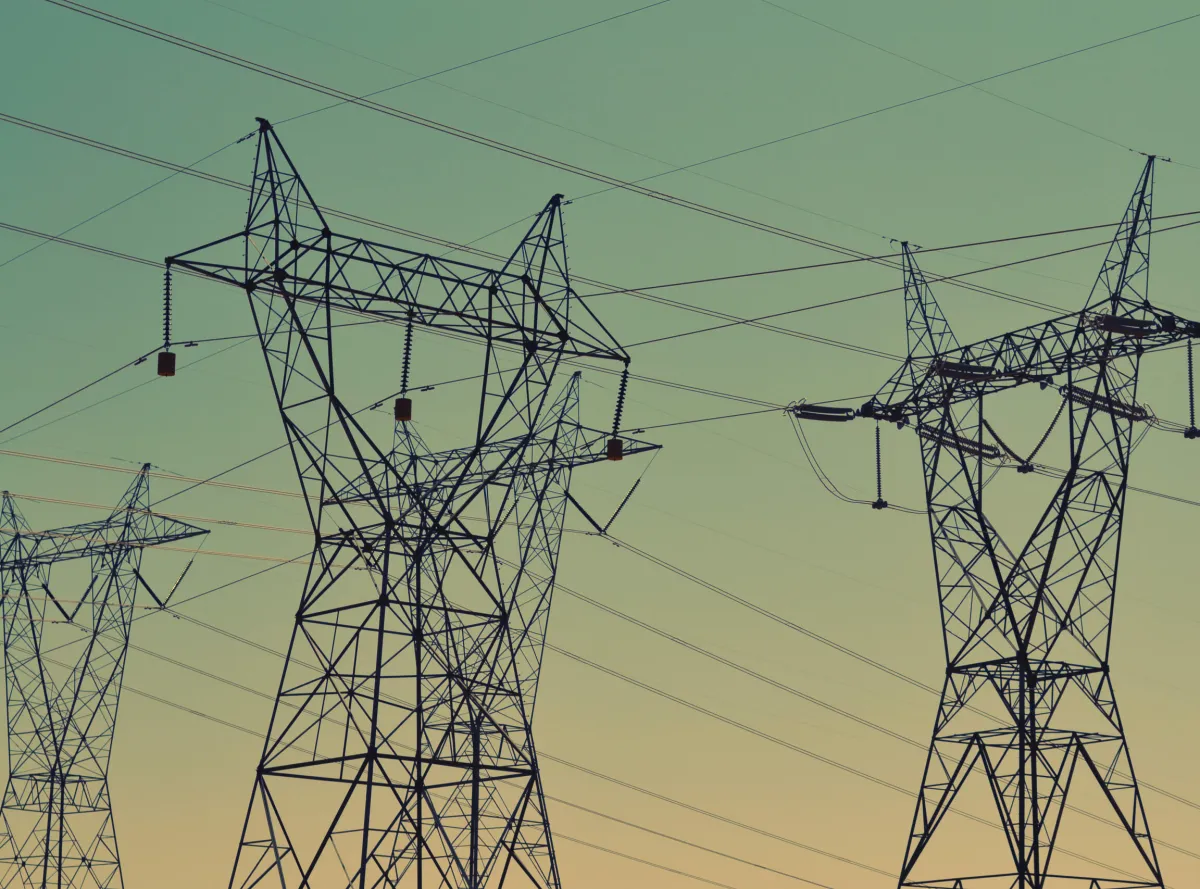
The lobbying to bring back Russian gas is back. Faster electrification is the answer
Nord Stream is the warning the others should have read: a project marketed for a decade as commercial common sense, until Russia turned the gas into a weapon and Germany learned what strategic dependence costs. The argument for Lingen is almost word-for-word the argument once made for the pipeline.

The Germans pushing the other way
None of this makes Germany a Russian client, though. Germany is among Ukraine’s largest arms suppliers. It was Germany’s own intelligence services that flagged the Baku channel as hostile. Berlin says it is still pressing for EU nuclear sanctions to end the Lingen loophole.
And the sharpest objections to the deal came from within Germany: the Green environment minister who signed the approval called it “grundfalsch”—fundamentally wrong—and Marc Henrichmann, the CDU lawmaker who chairs the Bundestag’s intelligence oversight panel, urged Framatome to abandon the partnership.
The reflex, then, is not the whole country. On the sanctions that would shut the loophole for good, Berlin is pushing, not blocking. The obstacle is the lack of a majority among member states, with Hungary and Slovakia the most resistant. The people resisting the reflex are largely doing it in public and on the record. The reflex itself works out of sight—a discretionary judgment here, a private flight to Baku there.
That is the measure of Germany’s Zeitenwende, the historic turn German chancellor Olaf Scholz declared after February 2022. The state that proclaimed Russia its adversary keeps letting its laws, its lobbyists, and its elders find the exceptions—and the exceptions do not need to know each other to point in the same direction.


