


Ukraine has opened its captured Russian weapons to allied governments and defense firms through a new online platform, Ukrainian Defense Minister Mykhailo Fedorov said. The system turns seized missiles, drones, and vehicles into shared technical intelligence for partner governments, labs, and arms makers. Kyiv presents it as a way to build countermeasures faster and defend democracies.
Captured weapons, opened to the free world
The Defense Ministry calls the platform TrophyLab, the government's official site for examining seized Russian equipment.. Fedorov wrote that every seized missile, drone, and vehicle is now knowledge for the free world. Partner governments, labs, and weapons makers can dig into detailed engineering files, analyses, and the flaws in Russian systems, he said.
Kyiv set the portal up under a pilot scheme that the Cabinet signed off on. It draws on the security and military bodies that keep the seized hardware.
What partners can pull from the system
Users can reach captured samples and fragments, research from state institutions, and component analysis. Partners may also ask for the actual hardware to run their own tests. Fedorov said that step significantly shortens the development cycle for countermeasures.
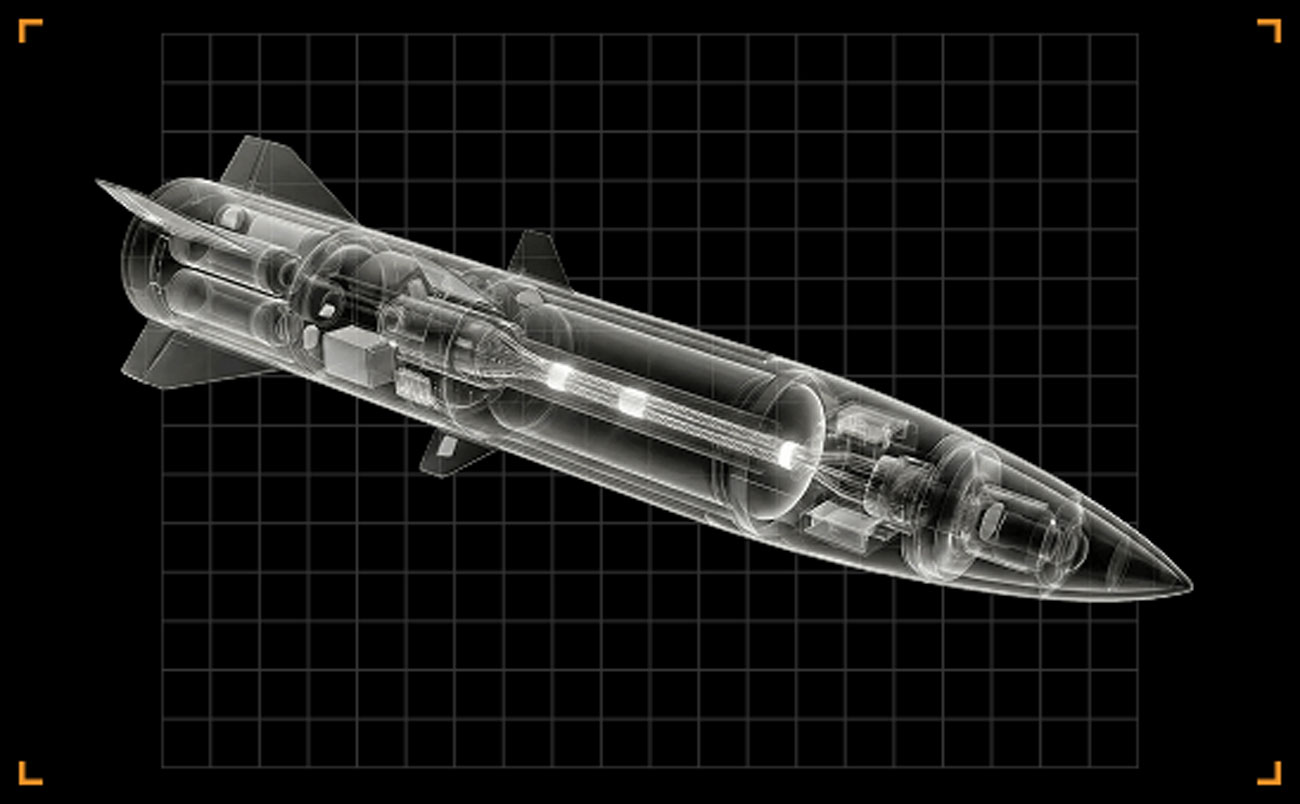
The site lists seized Russian systems as study material, among them a Kinzhal hypersonic missile and a T-90M tank. Its stated mission is to bring captured technology, research, and know-how together under one roof. It aims to make allied defense faster than the aggression it answers.
Fedorov tied the launch to the wider war — the ongoing Russian invasion of Ukraine.
"What was meant to be the enemy's secret advantage is being dismantled to defend democracy," he wrote.
The Defense Ministry says it will keep converting Russia's seized hardware into a resource for engineers worldwide.
Drone training data shared earlier
The move follows other steps to share battlefield knowledge with partners. Ukraine recently shared data from half a million hours of frontline drone footage to train allied AI. In May, Kyiv set a new procedure for using captured Russian equipment in defense and international cooperation. It earlier opened combat datasets to international partners and launched joint programs such as Brave Germany with Berlin.


