


Russia raised its military spending in early 2026 even as state revenue fell, the Institute for the Study of War (ISW) reported. Citing an analysis of Russian Finance Ministry data, ISW noted that first-quarter defense outlays reached 46% of all budget spending — a share that exposes how heavily the war now weighs on Moscow's finances.
A third more than a year earlier
German Institute for International and Security Affairs economist Janis Kluge assessed on 12 June that Russian military spending hit 5.9 trillion rubles (about $81.4 billion) in the first quarter of 2026, ISW reported. That equals 46% of the total budget spending and runs 30% higher than military spending in the first quarter of 2025.
Russia's budget law called for defense spending to drop from 7.8% of GDP in 2025 to 6.2% in 2026, Kluge found. Yet first-quarter military spending alone already accounted for 2.5% of Russia's GDP forecast for all of 2026.
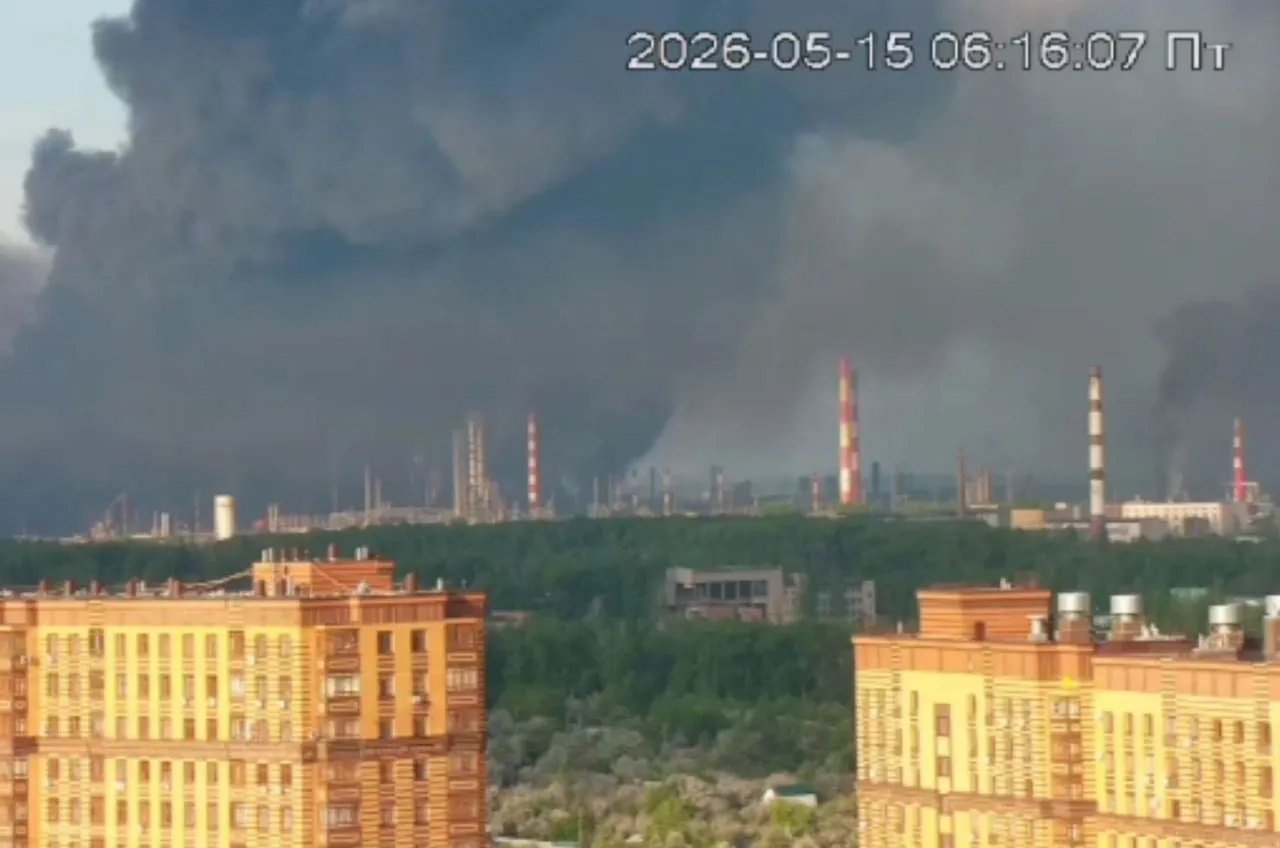
Russia’s oil production falls for sixth straight month as Ukrainian drone strikes hit storage and transport
Two-thirds of the revenue going to the war
Trending Now
Russia's revenue came to only 8.3 trillion rubles (about $114.5 billion) in the first four months of 2026, Kluge reported, meaning military spending equaled about two-thirds of budget revenues. The surge stems in large part from higher classified spending, which grew 43% from the first quarter of 2025 and reached 38.2% of all federal budget expenditures in the first quarter of 2026. Russia's 2026 budget law itself stated that about 85% of classified spending goes to the military.
Kluge cautioned that the Finance Ministry may have moved military spending from the fourth quarter of 2025 into the first quarter of 2026 to avoid breaching 2025 budget constraints, or that Russia frontloaded classified spending more this year than before. His assessment aligns with recent Ukrainian intelligence reports that overall Russian government spending in the first four months of 2026 ran 15.7% above the same period in 2025, with the military, social programs, and support for unspecified economic sectors taking growing shares.


