


Russia's Federal Tax Service has pushed regional governments to consider higher taxes on residents and businesses as local budgets sink to record deficits, The Moscow Times reported. The move follows President Vladimir Putin's drive to shrink regional shortfalls, and it shows the financial strain Russia's war against Ukraine is placing on its provinces. Independent analysts expect the squeeze to deepen as the economy slows.
Tax service tells regions to find more money
The Federal Tax Service (FNS) instructed regional authorities to work out where they could raise taxes, The Moscow Times reported, citing RBC. The recommendations answered Putin's directive to cut regional deficits, and governors had to submit their proposals in early June.
The advice told regions to:
- expand the list of real estate taxed at cadastral, or market, value;
- raise transport-tax rates to the maximum;
- revise the benefits and rates on land tax and personal property tax.
To collect more, regions were also told to inventory real estate and to look for land used off-purpose, where the tax can rise several times over.
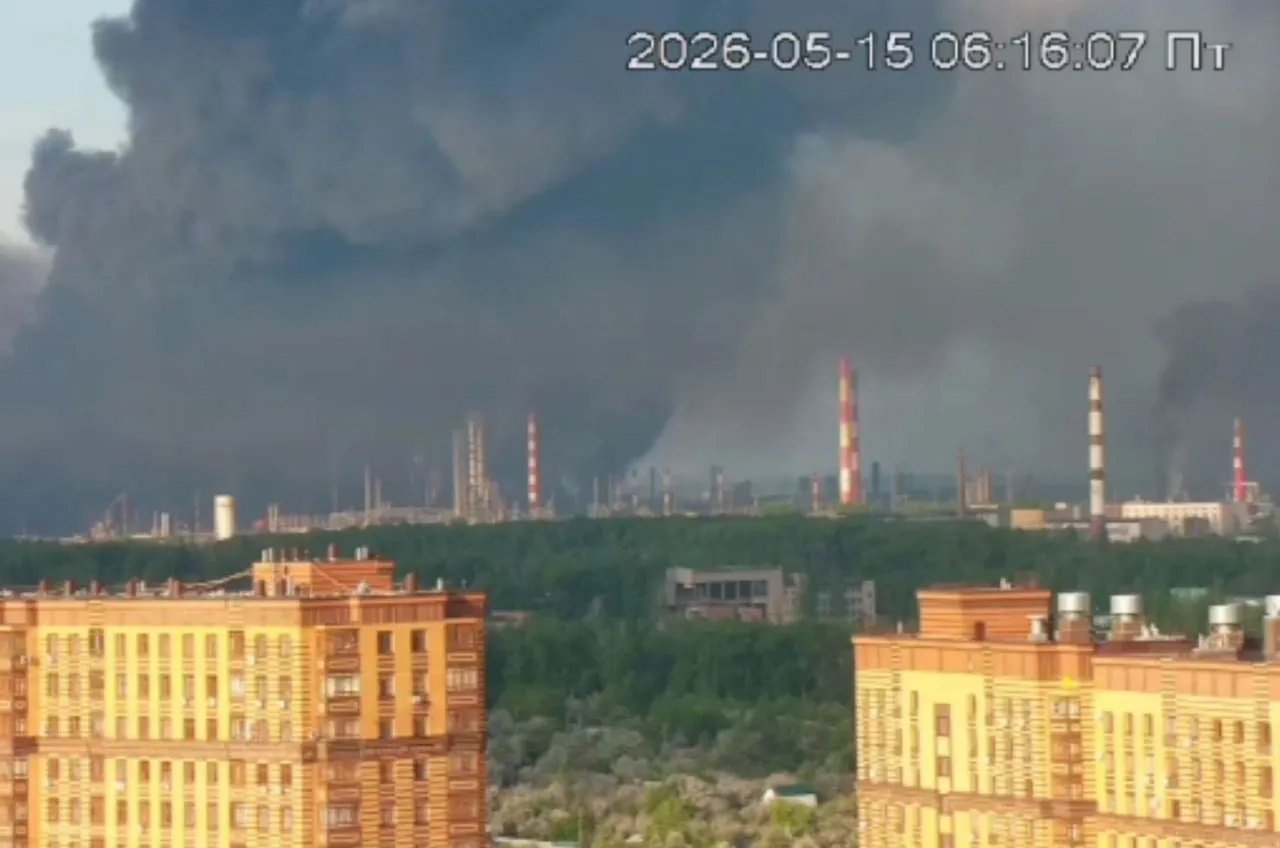
Russian refining output fell 9.2% in April as Ukrainian drone strikes hit fuel plants
A record hole in regional finances
Last year, Russia's regions closed with a combined deficit of 1.538 trillion rubles ($20.8 billion). The gap grew fivefold from 2024 and almost eightfold from 2023. Four regions ran deficits above 30% of their own revenue — Kemerovo, Vologda, Arkhangelsk, and Tyumen oblasts — and six more topped 25%.
Trending Now
Profit-tax revenue fell in 55 regions. It collapsed by half in the Komi Republic, dropped 40% in Orenburg Oblast, and fell 39% in Yamalo-Nenets. Overall, regions collected 9% less profit tax than in 2024 and 13% less than in 2023, according to the rating agency ACRA. The pattern fits a war economy that has turned predatory toward once-wealthy provinces.

Russia’s four-month budget deficit hit $75.4 billion — 50% above what Moscow planned for entire year
Reserves drained, debt climbing
To cover the shortfalls, regional governments spent every third ruble of their bank reserves — 1 trillion of 2.9 trillion rubles ($13.9 billion of $40 billion). They financed the rest with borrowing that pushed combined regional debt to 3.5 trillion rubles ($48.6 billion), ACRA reported — the highest in 15 years by Expert RA's earlier count. Expert RA projected the slowdown will continue this year, dragging revenues lower and lifting both the deficit and the debt burden.

$7 billion lost from Russia’s war economy this year through Ukraine’s “long-range sanctions” on oil sector – Zelenskyy
Russian Finance Minister Anton Siluanov earlier projected the regional gap could widen to 1.9 trillion rubles ($26.4 billion) in 2026. The crunch mirrors a federal budget that has run far ahead of plan as Ukrainian strikes cut into Russian refineries and oil income.
Moscow raised VAT in January and prepared a windfall levy on big business, both breaking Putin's 2024 pledge of no tax changes before 2030. Smaller firms have been squeezed first even as the Kremlin's own spending keeps climbing


