


France's navy has boarded a sanctioned Russian shadow-fleet oil tanker on the high seas of the Atlantic, President Emmanuel Macron said on 1 June. British forces helped stop the vessel, the newest in a run of European interceptions of the aging tankers Moscow uses to keep its oil moving past sanctions. Every ship caught this way before, though, was later allowed to sail on.
What France stopped
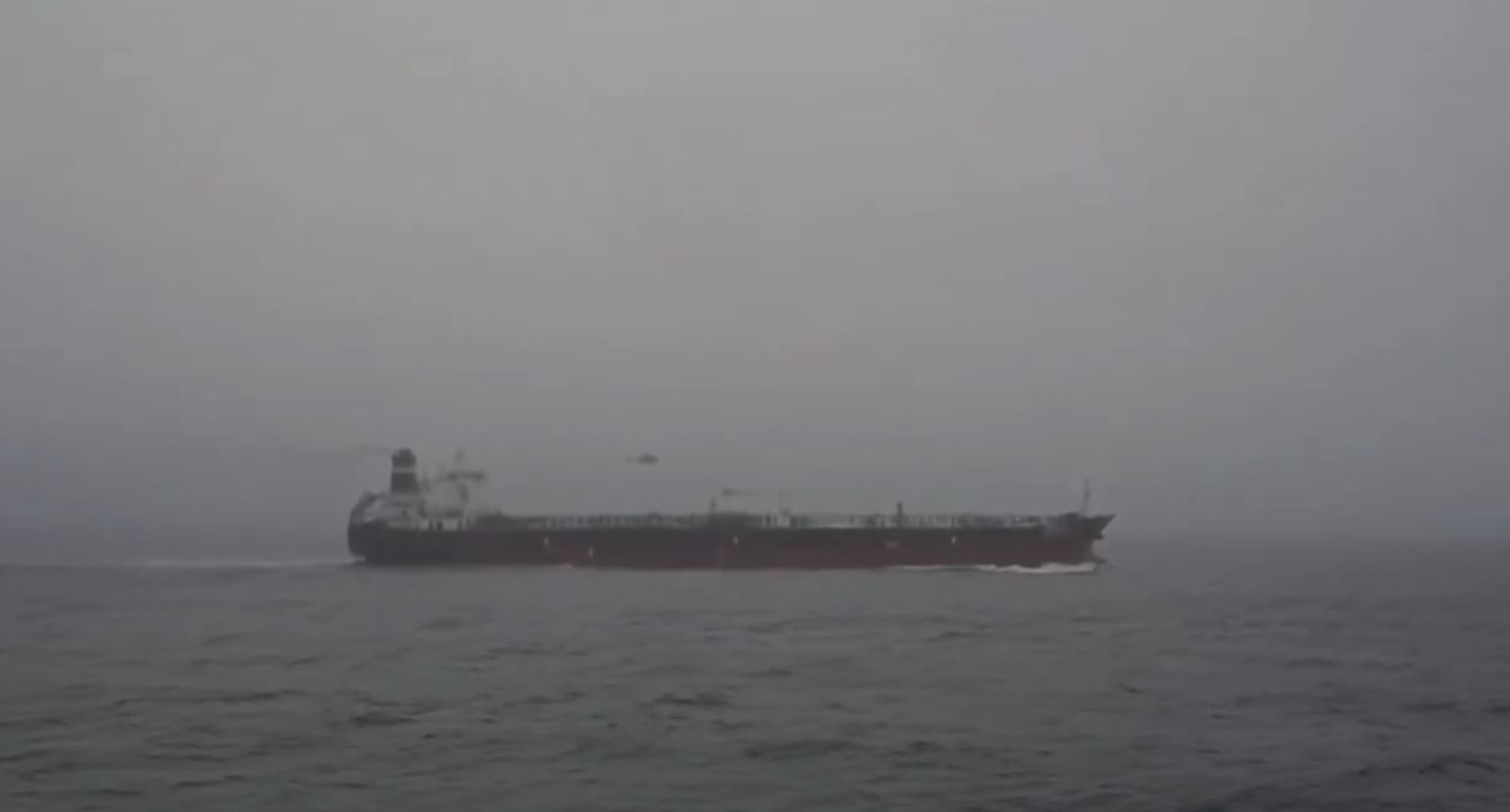
The tanker is the Tagor, and French forces boarded it on the morning of 31 May, far out on the high seas. Macron said the operation took place in the Atlantic, with support from several partners, including the United Kingdom, and in accordance with international law. He called France's determination "constant and total." It was unacceptable, he added, for ships to "finance the war that Russia has been waging against Ukraine" for more than four years.
Ukraine's military intelligence lists the Tagor among Russia's shadow-fleet tankers carrying crude, Suspilne reported. The ship sits under sanctions from the United States, the European Union, Ukraine, Switzerland, and Britain.
A Cameroon flag and an Arctic cargo
The Tagor sails under the flag of Cameroon. MarineTraffic data showed it had left Russia, most likely after loading crude from a floating storage near Murmansk, and was heading for a port in western Cameroon, RFE/RL reported. VesselFinder placed the tanker off Norway's western coast in late May, sailing from Murmansk, Militarnyi noted.
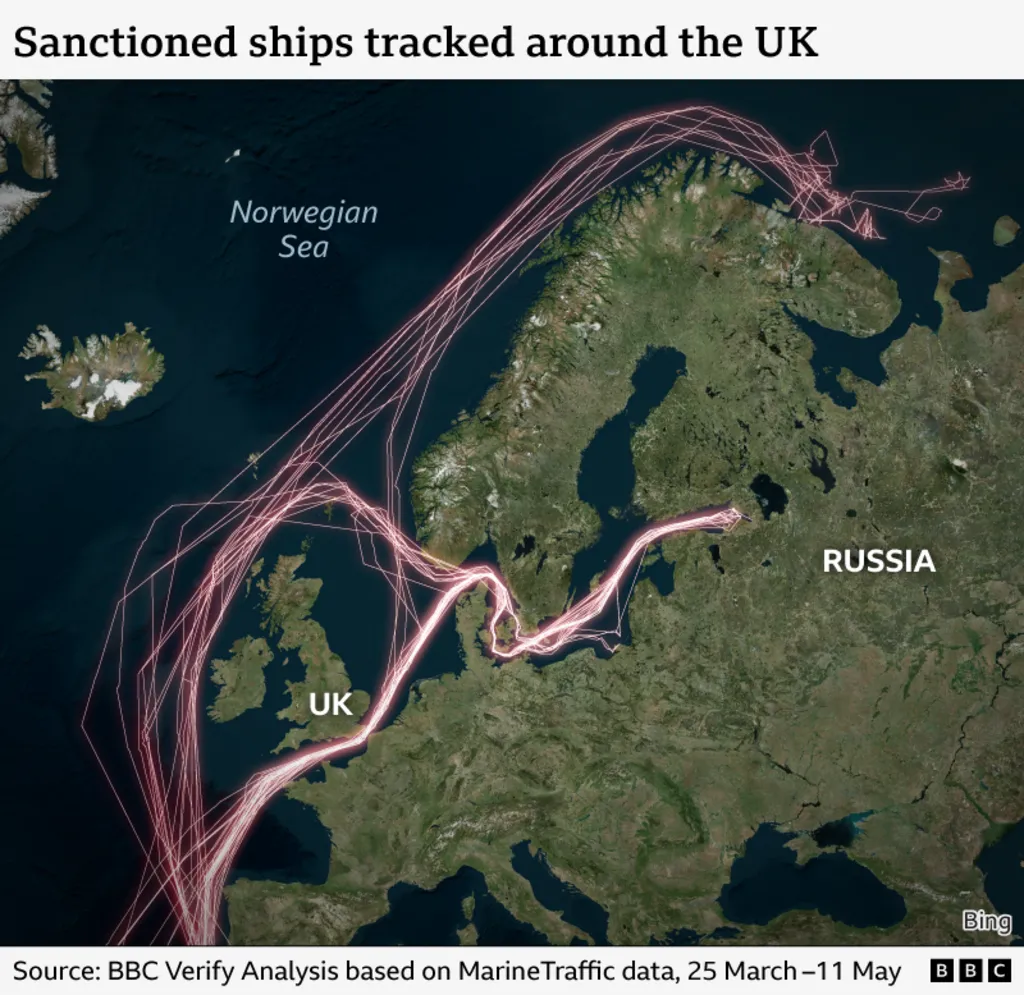
BBC: 184 sanctioned Russian tankers made 238 journeys through UK waters since the PM’s March intercept threat
Caught before, freed before
France has stopped several Russian shadow-fleet tankers since last autumn. The Grinch, the Boracay, and the Deyna were all later released, with the Grinch freed only after a multi-million-euro fine. French forces caught the Boracay off Saint-Nazaire last September, and the ship soon resumed its voyage, though a French court later jailed its captain. In March, the navy boarded the Deyna in the Mediterranean.
A widening crackdown
The Tagor boarding fits a broader European push. Britain now lets its navy board sanctioned shadow-fleet ships in its waters. In February, Belgian forces, backed by French helicopters, seized a tanker in the North Sea. Brussels is also preparing a 21st sanctions package aimed squarely at the fleet.


