


The US administration reinstated sanctions on seaborne Russian oil by allowing a temporary exemption to lapse without renewal, RFE/RL reported. The carve-out had allowed countries such as India to keep buying Russian crude during the war and drew criticism from both parties in Washington. Its expiry closes a window that critics said handed Moscow billions in wartime energy revenue.
Western energy sanctions remain the main lever for draining the Kremlin's war funding, and every gap in enforcement tends to show up fast in Moscow's revenue. The Iran war showed how quickly a supply shock can reverse months of pressure on Russian oil income.
What the temporary exemption allowed
The measure centered on General License 134B, a US Treasury authorization. It let specific countries, including India, keep buying Russian oil if cargoes loaded before the sanctions deadlines took effect.
Washington first introduced the exemption in March and extended it again in April.
Officials framed it as a way to avoid a new energy crisis amid Middle East fighting and threats to key oil shipping routes. Indian refiners had used an earlier window to clear Russian crude that US pressure had stranded at sea. US and Ukrainian critics had argued that the carve-out let Moscow keep its oil export earnings flowing through the war.

Senators from both parties pushed to end it
On 15 May, Democratic Senators Jeanne Shaheen and Elizabeth Warren urged the administration not to extend the exemption. In a joint statement, they said there was no evidence that the relief lowered fuel prices for Americans while Russia continued to collect billions in oil revenue. Lawmakers had earlier raised the same alarm when the relief began. The chair of the House Foreign Affairs Committee, Republican Brian Mast, also backed keeping up sanctions pressure on Moscow.
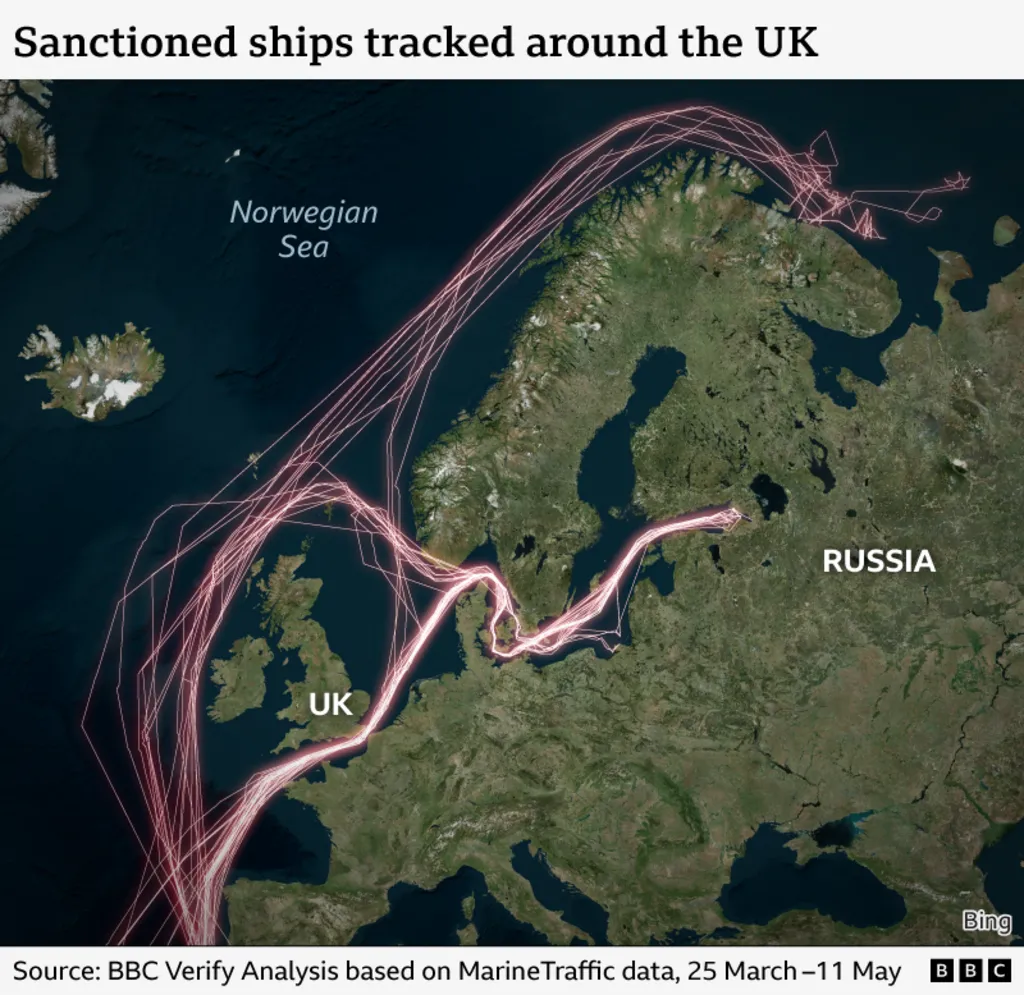
BBC: 184 sanctioned Russian tankers made 238 journeys through UK waters since the PM’s March intercept threat
He cautioned that the restrictions should not hurt US allies more than they hurt Moscow. Britain had earlier refused to follow Washington in easing sanctions on Russia.
Two estimates, two billion dollars apart
Earlier, on 13 March, the US Treasury had eased limits on the sale of Russian oil and petroleum products already loaded onto ships. The step aimed to lower prices after Iran's effective blockade of the Strait of Hormuz, a response to a US-Israeli operation. That deferral expired on 11 April.
The Treasury did not respond to Politico's question about the expiration. It pointed instead to a March statement by Treasury Secretary Scott Bessent, who called the easing a short-term measure. Congressional Democrats had criticized the deferral, saying it allowed Russia and its enablers to earn more than $4 billion. Bessent said his department's analysis put Russia's gain at no more than $2 billion.


