
Ukraine's Main Intelligence Directorate (HUR) has published a list of 51 vessels it says are helping finance Russia's war against Ukraine, according to a HUR Facebook post. The list appears in the "Maritime Vessels" section of the War&Sanctions portal.
The vessels fall into two categories: oil tankers handling Russia's seaborne exports of crude oil and petroleum products, and cargo ships that call at ports in Russian-occupied Ukrainian territory — specifically Mariupol and Kerch, which Ukraine has designated as closed.
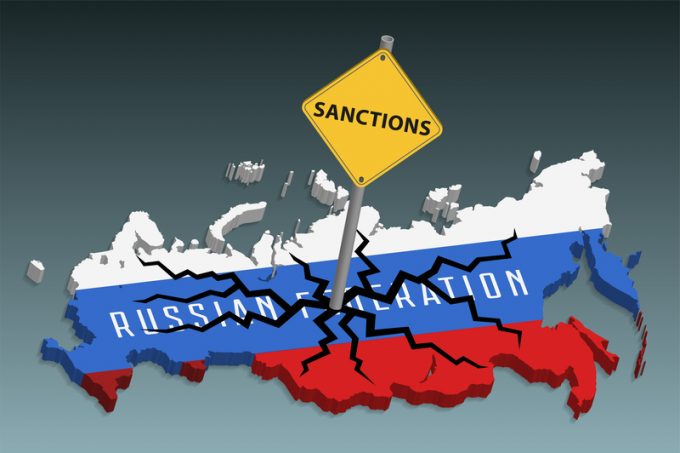
The list targets the financial infrastructure of Russia's war effort — cutting off oil revenue and exposing the loophole of "friendly-flag" vessels is one of the few levers that can squeeze Russia's military budget without direct military intervention.
Stolen goods and shadow logistics
According to HUR, Russia's maritime logistics network serves purposes beyond energy exports. The directorate states that Russia "systematically uses maritime logistics not only for the export of energy resources, but also for the removal of stolen Ukrainian resources — grain, ore, coal."
HUR also says Russia is working to integrate occupied Ukrainian ports into its own economic system by opening them to foreign vessels.
To obscure these operations, Russia uses ships flying flags of third countries, including, HUR notes, states that have officially endorsed Ukrainian sovereignty and territorial integrity — a reference to UN General Assembly votes on the matter.
Captains singled out
HUR singles out vessel masters as a critical link in the chain. The directorate says captains "possess complete information about the origin and nature of cargoes, as well as the routes taken" — framing their participation as knowing rather than incidental.
The directorate warns crews directly: "Participation in unlawful operations in Ukrainian ports means complicity in aggression. The liability of ship captains for participation in Russia's operations is inevitable."
What HUR is demanding
The directorate issued a set of specific demands. It calls on states whose flag vessels appear on the list — having affirmed Ukrainian sovereignty at the UN General Assembly — to "take measures to prevent and exclude instances of maritime vessels sailing under their flags entering closed maritime ports on the temporarily occupied territory of Ukraine."
HUR also calls on the International Maritime Organization to notify all member states of the obligation to observe the closed-port regime and to "take appropriate measures against vessels that violate the said regime." Flag states are asked to strengthen vessel-tracking controls; partner countries are asked to impose additional sanctions on Russian and foreign individuals, legal entities, and vessels involved in commercial activity in the occupied territories.
The new list expands on a previous HUR publication on the War&Sanctions portal that named 31 vessels linked to Russia's and Iran's shadow fleet and involved in transporting Russian oil and gas, according to Ukrinform.
European states have moved from sanctions listings to physical seizures: Germany confiscated the Panama-flagged tanker Eventin and its roughly 100,000 tons of Russian crude in March 2025, Finland detained the Eagle S in December 2024 after it was suspected of severing Baltic Sea cables, and Estonia seized the flagless tanker Kiwala in April 2025. Nearly 600 vessels are now under EU sanctions, though in every seizure case so far the vessel and crew have ultimately been released, as the legal framework for permanent confiscation of foreign-flagged ships in international waters remains unresolved.