Putin ‘played no less role’ in creation of ISIS than Stalin did in rise of Nazis, Shmulyevich says

Putin and Obama at G20 meeting
Putin ‘played no less role’ in creation of ISIS than Stalin did in rise of Nazis, Shmulyevich says


Vladimir Putin should be compared with Stalin rather than with Hitler, Avraam Shmulyevich says, not only because he is seeking to use an east-west alliance to legitimize his seizure of territory but also because Putin has played “no less a role” in the creation of ISIS than the Soviet dictator did in “the strengthening of German fascism.”
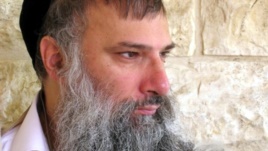
President of Israel's Institute for Eastern Partnership Rabbi Avraam Shmulyevich

In an interview with Kseniya Kirillova posted on Krym.Realii, the Israeli rabbi and analyst approaches this issue with great caution, indicating what is known and what is only suspected because the Russian government has done little or nothing to dispel the suspicions its actions have generated.

“Radical Islamism began with the invasion of the USSR into Afghanistan,” the Israeli analyst says. “All the more radical Islamists including Ben Laden came out of the struggle with the Soviet Union. The second push to the growth of radicalism was given by the invasion of Russia into Chechnya.” In both cases, the Islamists saw Moscow as the enemy.

At the same time, “the largest number of ISIS militants are being recruited from Russia and the other countries of the post-Soviet space,” he says. “In part, this is connected with the fact that over the course of many years, the Russian special services have ‘pushed’ their own Islamists toward Syria and Iraq, putting before them the choice: emigration, jail or murder.”

“Of course,” Shmulyevich says, “we do not know the motives of the FSB in this: did they only want to cleanse their own territory of unsuitable elements or did they intend to strengthen ISIS. But whatever the case, it remains a fact that precisely the Russian special services sent there the most motivated and educated contingent of militants.”

The Israeli analyst says that he does not now have “any data about how much the Russian special services are today using their old ties with the Islamic State… or even how much ‘the Islamic underground’ in Russia is controlled by the special services.”

“However, if Russia wants to avoid accusations of cooperating with ISIS, it should at a minimum clarify this issue.” Instead, “Moscow in the course of several years has created ‘a green corridor’ for the militants who want to join the terrorists.” Moreover, Russian agencies undoubtedly have large dossiers on these people and “one would like to understand how they are using these.”

At present, Shmulyevich continues, “we can reliably assert only that Russia extended its hand toward the creation of ISIS” and “undoubtedly has some levers of influence” on the group. But that alone does not mean that Moscow necessarily is behind any particular action of the Islamic State.

Yet another fact which “does not speak in Russia’s favor,” Shmulyevich continues, is that it is precisely the country “which stands at the origins of Arab terrorism;” and “all those methods which Islamist terrorists use now, including the seizure of planes and suicide bombers were developed by the KGB and its satellites” in Soviet times.

Despite that, he says, he is “not inclined to consider that Putin stands behind the Paris terrorist attacks and supposes that they were completely organized by ISIS itself. However, “the Russian leader used the tragedy in his own interests to the maximum extent possible” and is seeking “to convince the West that Russia has become a reliable ally in the struggle with terrorism.”

The Kremlin leader is having success in that regard, especially since he appears to have accepted the idea that his ally Assad will have to leave office. But that will create problems for him: he will have to assume the difficult task of providing security in the region. At the same time, if he gets bases there, he will have achieved a longstanding Russian dream.

And “it is possible,” Shmulyevich continues, that the price for all this that Putin will extract from the West is Ukraine. Already it appears that “unfortunately” the West is moving in the direction on Ukraine that Moscow wants, and that risk “will increase with each new ISIS terror attack.”

To suggest a correction or clarification, write to us here

You can also highlight the text and press Ctrl + Enter

Please leave your suggestions or corrections here


    Leave a Reply
    Euromaidan Press

    We are an independent media outlet that relies solely on advertising revenue to sustain itself. We do not endorse or promote any products or services for financial gain. Therefore, we kindly ask for your support by disabling your ad blocker. Your assistance helps us continue providing quality content. Thank you!

    Related Posts

    Тарас Возняк: Геополітична диспозиція Росії Путіна

    Однак це бачення загальної геополітичної ситуації. Виходячи з цього бачення світу і вибудовується реальна політика. Отож, як вона вибудовується?

    Маючи незначні ресурси, Росія Путіна пробує вибудовувати архітектуру Світового острова в опорі на Китай. Але не тільки – донедавна однією з опорних точок був Іран – однак, здається, Іран таки пішов на поступки Світовому острову в обмін на пом'якшення санкцій. Так само вона розраховує на латентну підтримку Франції та Німеччини.

    Але такий розрахунок на інших геополітичних гравців за відсутності власних ресурсів призводить до узалежнення від того ж Китаю, а також і від ЄС (основного споживача російського експорту). Розрахунок на Іран не виправдав себе – Іран пішов своїм шляхом – принаймні ситуативно – і російські сподівання його не надто цікавлять.

    Ця схема не враховує змін, що відбуваються у світі. Неоєвразійці зрозуміли, що світовий центр після ІІ Світової війни перемістився з Лондона до Нью-Йорка, однак неначе не зауважують, що на наших очах він переміщається до Лос-Анджелеса і Шанхаю – десь посередині. І тоді вага Китаю у євразійській конструкції, яку вони пробують вибудовувати, буде домінантною. Вони не зауважують переміщення центру ваги США з атлантичного на тихоокеанське узбережжя. На це слід реагувати і теж виходити на цей геополітичний простір.

    Однак, що ми спостерігаємо – цілком протилежну картину. Росія евакуйовується з перспективного Далекого Сходу та Сибіру. Там відбувається просто цивілізаційний занепад. Московія діє інерційно і далі зосереджується у самій Москві.

    Російська Федерація крайньо асиметрична:

    • ментально – і далі центрами є стара столиця Московського царства – Москва та Російської імперії – Санкт-Петербург;

    • демографічно – за Уралом мешкає 15% населення країни;

    • ресурсно – більшість ресурсів Росії – у Сибірі;

    • військово – головні військові ресурси спрямовані на Захід;

    • релігійно – надмірне фаворитизування православ'я призведе до значних проблем з ісламом, який динамічно поширюється в Росії;

    Якщо вдатися до метафор, то Московія вичерпується. Потрібно будувати власне Російську Федерацію, яка мусить мати інші геополітичні орієнтири. Можливо, режим Путіна – останній чи передостанній москвоцентричний режим в Росії. Можливо, майбутня геополітична орієнтація Російської Федерації мала б бути радше не на вичерпану "среднюю полосу", а на Сибір, Далекий Схід і навіть Арктику.

    Однак чи є політична воля так переформатовувати Росію? У режиму Путіна волі до цього немає. Він думає про дві речі – самозбереження і негайне збагачення. А тому він все ще мислить застарілими категоріями "повернення" Криму та виходу до Чорного моря.

    Якщо Росія не переформатується на Схід, то порожнечу, що утворюється так чи інакше заповнить Китай. Невдовзі питання може бути поставлене так – або Нова Росія, або Новий Китай. Здається, час Сполучених Штатів Сибіру, про які говорили сто років тому, минув – немає ресурсів. Можна сказати, що це футурологія. Так, звичайно. Але саме з такої футурології і витікають подальші політичні програми та дії.

    Тоді як потрібно готуватися до перенесення центру ваги країни на Північ, Схід і навіть на Далекий Схід:

    • головні ресурси Росії (нафта, газ, безпека) невдовзі будуть в Сибірі та Арктиці;

    • головна політична перспектива, з огляду на міграцію цивілізаційних центрів, на Далекому Сході.

    Тому Росії потрібне нове геополітичне мислення спрямоване на Арктику, Сибір і Далекий Схід. Можливо, саме на Далекому Сході постане новий симбіоз Китаю та Росії.

    Чи були спроби такого мислення про переформатування Росії? Звичайно були. Однак нічим не закінчилися. Російським "самодєржцям" комфортно жити в Москві і визискувати країну за Уралом. Що в результаті веде до стагнації і неуспіху цього формату Росії.

    Чи є в Росії досвід зміни формату? Звісно є. І завжди він здобувався як відповідь на зовнішні виклики:

    • Петро І переформатував цивілізаційно відстале Московське царство у Російську імперію;

    • Лєнін, з огляду на поразку у І Світовій війні, переформатував Російську імперію у СССР;

    • Ґорбачов-Єльцин, з огляду на цивілізаційну відсталість, технологічну революцію 1980-х і поразку у "холодній війні", переформатували СССР у відносно демократичну РФ І;

    • Путін, з огляду на інформаційну революцію, зміну технологічних платформ 2000-х переформатовує РФ І у авторитарну РФ ІІ.

    Таким чином ми бачимо якийсь неадекватний геополітичний зсув РФ ІІ – авторитарної Росії третього президентства Путіна. Вона не реагує на зовнішні виклики і не пробує ввійти у світ в адекватному до викликів часу форматі, а неначе виходить з нього. Замість того, щоб прориватися і переорієнтовуватися до нових перспектив – на Тихий океан, Росія самоізолюється, повертається до регресивних форм суспільних відносин, будує чистої води автократію. Зрештою, така реакція для Росії теж характерна. Лєнін у 1917 р. завів країну у комуністичну ізоляцію, Сталін 1945 р. у "холодну війну". Путін заводить Росію у ексКҐБістську ізоляцію.

    Що є причиною такої неадекватної поведінки Путіна? І чи впливає на його політику російська еліта чи російський народ?

    Як правило російські "самодержавці" змінюють державну конструкцію з огляду на якусь політичну чи геополітичну катастрофу. Російська імперія трансформувалася в СССР, а СССР – в Російську Федерацію. Однак нафтовий бум 2000-2013 рр. приніс зовсім іншу якість ресурсів. Єльцин виживав усі 1990-ті. Натомість Путін, отримавши такий ресурс, почав діяти традиційним російським трибом – прирізувати території та збільшувати кількість "руських" (Чечня, Абхазія, Південна Осетія, Крим, Донбас). Саме тому у 2000-х ожило неоєвразійство, з'явилася концепція "Русского мира".

    І неоєвразійство, і "русский мир" помруть тільки тоді, коли у російських "саможєржцев" заберуть нафто-газовий акселератор – коли остаточно впаде і попит, і ціни на енергоносії.

    Тому на найближче майбутнє, піклуючись тільки про збереження режиму, будучи звичайними мародерами, мислячи за інерцією і насправді не переймаючись стратегічним майбутнім Росії, Путін чи його прямі спадкоємці будуть зацікавлені у:

    • збереженні монополій на нафто-газових ринках;

    • прив'язці своїх клієнтів до нафто-газової залежності;

    • утримуванні цін на нафту та газ;

    • блокуванні енергетичної революції;

    • збереженні Російської Федерації ІІ (третє президентство Путіна) як корпорації її вузького елітного прошарку;

    А тому на міжнародному рівні режим Путіна скоріш за все поставив перед собою такі завдання:

    • розколоти ЄС по кількох лініях (ФРН contra Південна Європа, ФРН+Франція contra Центрально-Східна Європа так званого "санітарний поясу");

    • якщо не повністю позбавити суб'єктності, то хоча б підпорядкувати собі "санітарний пояс" між РФ та її сателітами та ФРН (Фінляндія, Естонія, Латвія, Литва, Польща, Чехія, Словаччина, Угорщина, Румунія, Болгарія, Словенія, Хорватія, Боснія і Герцеговина, Чорногорія, Сербія, Македонія, Греція, Молдова, Україна, Грузія, Вірменія, Азербайджан);

    • відтіснити Велику Британію з будь-яких європейських проектів, включно з ЄС;

    • ізолювати США, знеохотити їх до участі у європейських справах;

    • будь-якими силами втягнути КНР у спільні геополітичні проекти;

    • спробувати знову спровокувати ірансько-американське протистояння або скористатися американськими уступками, які укладалися при перемовинах з Іраном;

    • активізувати залучення невизначених країн у форматі співпраці БРІКС (BRICS – Brazil, Russia, India, China, South Africa) які до 2050 року неначе мають стати чотирма домінуючими економічними системами світу;

    • активізувати фронт протистояння США (Ємен, Газа+Західний берег Йордану, Ліван, Сирія, Ірак, Грузія, Україна, Молдова);

    • змінити світову систему безпеки за своїми лекалами у наближеному до путінсько-дуґінського виконання.

    March 8: Putin’s most important objective was to create a giant military base in Crimea

    March 8 – 1 Ukrainian military was killed and 3 were injured in the last 24 hours in the ATO area, – informed NSDC spokesman Andriy Lysenko.

    March 8 – Official Kyiv is ready to communicate with the representatives of Donbas – with those, who will be elected as a result of legitimate elections, but not with the warlords, – said Deputy Foreign Minister of Ukraine Vadym Prystayko: "At this point in time, there is a need to unite Ukraine, which is torn to pieces by our neighbours and thus we are ready to meet the needs and take into account the opinions of local people in these regions. But we cannot and will not talk to the warlords".

    March 8 – During the night of March 8th, the intensity of provocative attacks by the militants decreased, but they violated "silence regime" 6 times, – informs ATO's press-centre. The enemy is using aerial reconnaissance – over the last 24 hours air defence forces have recorded the activity of 6 remotely piloted aircraft.

    March 8 – "Since the annexation, Putin's most important objective was to create a giant military base in Crimea, not a gambling zone, where in addition to the fleet, there is strategic aviation, air defence, space forces, coastal missiles and nuclear weapons", – writes a journalist and human rights activist Andriy Klimenko (Crimea). According to him approximately 100 thousand troops will start serving at the peninsula over the next two years and there "should not be any disloyal residents – e.g. Crimean Tatars, journalists, community activists – all those who do not want to receive Russian passports and want to keep Ukrainian one. This will continue, unfortunately".

    March 8 – Armed Forces of Ukraine have completed the fourth stage of withdrawal of heavy weapons from the combat contact line in Donbas according to Minsk agreements, – informed NSDC spokesman Andriy Lysenko: "We have completed the fourth stage of withdrawal of heavy weapons from the contact line. Earlier we withdrew 100-mm anti-tank guns – "Rapira" and "Ruta", MLRS "Grad" and "Uragan".

    March 8 – In Luhansk Region during the period of carrying on of fighting activities, during the shelling of residential areas, eight churches of the Ukrainian Orthodox Church, which do not belong to the Moscow Patriarchate, were harmed "Ruined churches with destroyed altars and icons – a visible affirmation of what kind of "Orthodox World" the Russians and their mercenaries in Donbas are fighting for," Head of the Luhansk Region State Administration. Henadiy Moskal.

    March 8 – Russia poses a serious threat to the safety of Europe and the European Union should continue a decisive policy of counteraction in regards to Kremlin.

    This is presented in the article of the Head of the Swedish Ministry of Foreign Affairs, Margot Valstrem, published in the newspaper Svenska Dagbladet. "We saw how Russia, without any hesitation, sent advanced armed force units across the border in order to support the separatists, who with weapons attempted to fight with the Ukrainian forces and increase their control over the territory of Ukraine," notes the Minister.

    DAVID FRANCIS: Washington's Mixed Messaging on Arming Ukraine Continues

    P.S.: Please spread this appeal as much as possible.

    Ads are disabled for Euromaidan patrons.

    Support us on Patreon for an ad-free experience.

    Already with us on Patreon?

    Enter the code you received on Patreon or by email to disable ads for 6 months

    Invalid code. Please try again

    Code successfully activated

    Ads will be hidden for 6 months.