


Ukraine’s drone war on Russian refineries has reached the gas pump in Moscow and St. Petersburg. Restrictions on gasoline sales hit the two capitals in mid-June, part of a shortage that the independent outlet The Moscow Times says now spans more than 25 Russian regions.
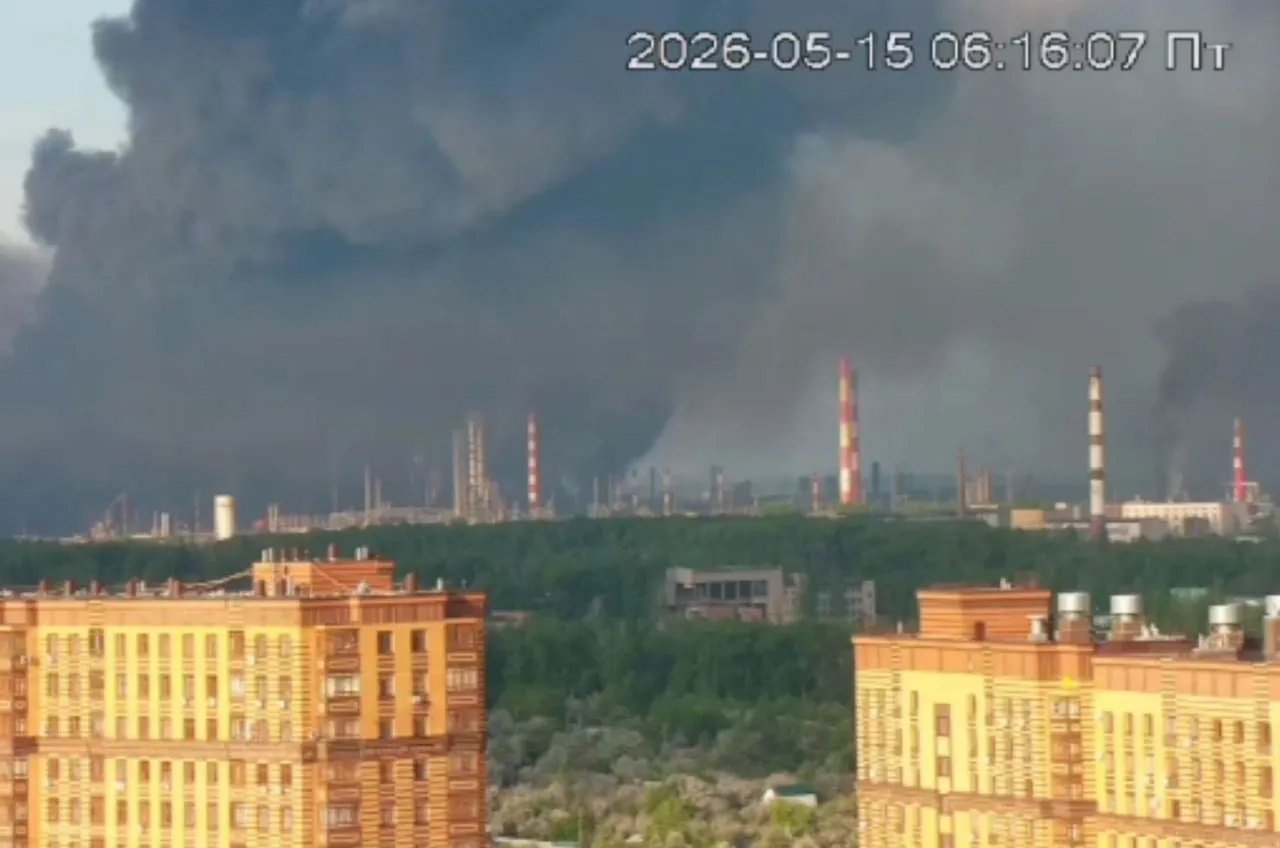
Its drones hit Russian refineries at least 16 times in May, eight of the country’s ten largest among them.
The strikes have squeezed Russian refining for months. What is new is that the shortage has spread to the two largest cities and into the cost of living.
Kyiv has struck the refineries to cut the oil revenue funding the war and deny Moscow the windfall from this year’s Iran-war price spike, a Bloomberg report found. Its drones hit Russian refineries at least 16 times in May, eight of the country’s ten largest among them, with at least 30 strikes on Russian oil assets overall—the most of any month since the full-scale invasion.
What the shortage looks like
The deficit started in occupied Crimea and spread inland, The Moscow Times reported. Tatneft now sells no more than 20 liters of gasoline per customer in at least six regions. At the same time, outages have hit stations in Kuzbass, Tatarstan, and the Ulyanovsk and Nizhny Novgorod oblasts.
Six cities, including Nizhny Novgorod and Krasnodar, limited the refueling of passenger aircraft in mid-June.
Farmers report diesel delivery gaps across southern Russia, the Central Black Earth zone, and the Volga region at the start of the planting season.
Aviation is the newest casualty. Six cities, including Nizhny Novgorod and Krasnodar, limited the refueling of passenger aircraft in mid-June, after airports in St. Petersburg, Yekaterinburg, and Ufa ran short of jet fuel in late May. Moscow has banned jet-fuel exports until the end of November to protect domestic supply.

What “lost a third” really means
One figure circulating about the campaign needs care. Energy Intelligence estimates that almost a third of Russia’s refining capacity, about 2.14 million barrels a day, sat idle in early June, The Moscow Times reported. That number is idle capacity at a single moment, not lost output, and it changes whenever a damaged unit restarts.
Russian refinery runs averaged 4.58 million barrels a day in May, down about 13% from a year earlier and the lowest since 2009.
Actual throughput has fallen by less. Russian refinery runs averaged 4.58 million barrels a day in May, down about 13% from a year earlier and the lowest since 2009, the analytics firm OilX estimates, a Bloomberg report found. By the first week of June, The Moscow Times wrote, runs had slipped below 4 million barrels a day, a 21-year low.
The difference this round is where the drones land. Earlier strikes hit primary distillation units, which Russia repaired quickly. Ukraine is now striking secondary units, the equipment that turns crude into gasoline and diesel, which take months to fix and depend on imported parts that sanctions choke off, Sergey Vakulenko told Bloomberg. Vakulenko ran strategy at Gazprom Neft until February 2022 and now studies the industry at the Carnegie Endowment.
Trending Now
Russia has absorbed strikes before, rerouting crude to export and so blunting the hit to domestic supply.
The caveat runs the other way, too. Russia has absorbed strikes before, rerouting crude to export and so blunting the hit to domestic supply in April.
Russian refining output fell 9.2% in April as Ukrainian drone strikes hit fuel plants
Energy Intelligence’s warning of the worst fuel crisis in Russia’s history is a forecast, not a verdict; Bloomberg’s early-June read was that Russia was still short of its 2023 crisis levels.
Moscow trades quality for quantity
The government is spending and bending rules to keep fuel moving. Oil companies received 700 billion rubles (about $9.7 billion) in subsidies across April and May. In June, the authorities allowed the sale of lower-grade Euro-3 gasoline in place of Euro-5—trading fuel quality for fuel quantity.
Prices are climbing regardless. On the exchange this year, diesel is up 43% and jet fuel 40%, The Moscow Times reported. Retail gasoline rose 3.93% over the month to early June, its sharpest jump since 2018, and headline inflation could pass 6% year on year for the first time in 2026, the forecasting center TsMAKP found.
Dmitry Peskov said on 21 May that supply and demand were balanced and blamed lower output on seasonal maintenance.
TsMAKP tied the fuel-price rise to a mix of higher world oil prices, the summer travel and farming season, and the fallout from drone strikes in southern Russia. It stressed that the jump is concentrated in a few categories rather than systemic, and still judged a 5% year-end inflation rate achievable.
The Kremlin denies a problem. Spokesman Dmitry Peskov said on 21 May that supply and demand were balanced and blamed lower output on seasonal maintenance.
Yaroslav Kabakov, a strategist at the Russian brokerage Finam, reads it differently. The shock is coming from the supply side, he argued, and the crisis is only beginning, with peak demand in August and September still ahead.


