Ukraine’s air defense has a serious radar shortage. This is especially a problem for so-called “smaller-scale” air defense, which includes mobile fire teams, anti-air gun platforms, and interceptor drones.
All radar systems to be produced in Ukraine this year are already bought out, an unmanned systems battalion sergeant in the 59th Assault Brigade, told NV.ua in an interview.
Air defense "seemed to be more or less leveling out with air defense drones," Sergeant Marko said. "But all these crews aren't very effective when you don't have radar."
His words echo what other sources have told Euromaidan Press in the past. The shortage may put the brakes on Ukraine’s goal to intercept 95% of all Russian weapons and place an upper ceiling on the effectiveness of new air defense teams.
Ukrainian air defense is continually evolving to keep up with Russia’s mass drone and missile attacks, reorganizing units and relying increasingly on cheaper weapons like interceptors and other solutions, to save its expensive missiles and jets for the biggest threats.
However, while this seems to be paying dividends, it’s also caused a surge of demand for radar systems, a trend which became evident in late 2024. Military insiders say that this issue stems from three major reasons.
- Surging demand
- Lack of money and components and limited supply chains
- Tight control on radar production due to security concerns
Demand
Part of the shortage is due to rising demand, as a result of the changes in how Ukraine’s air defense works. The country has been trying to move away from using exquisite systems on less-destructive threats, to make air defense more spread out, decentralized but well-networked.
Interceptor drones surged in prominence over the past year, becoming more widely integrated into Ukraine’s air defense at a rapid rate. Top General Oleksandr Syrskyi said that interceptors made 6,300 sorties in February and credited these drones with destroying 70% of Russian one way attack drones over Kyiv Oblast that month.

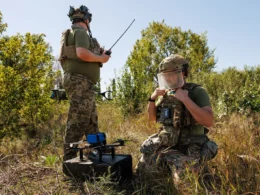
Mobile fire teams bear a significant burden in combating strike UAVs, even cruise missiles. Troops on the ground use MANPADS, interceptor drones, autocannons and machine guns, plus other small arms. Ukraine recently allowed private air defense groups to protect civilian areas and they’re already racking up their kill count.
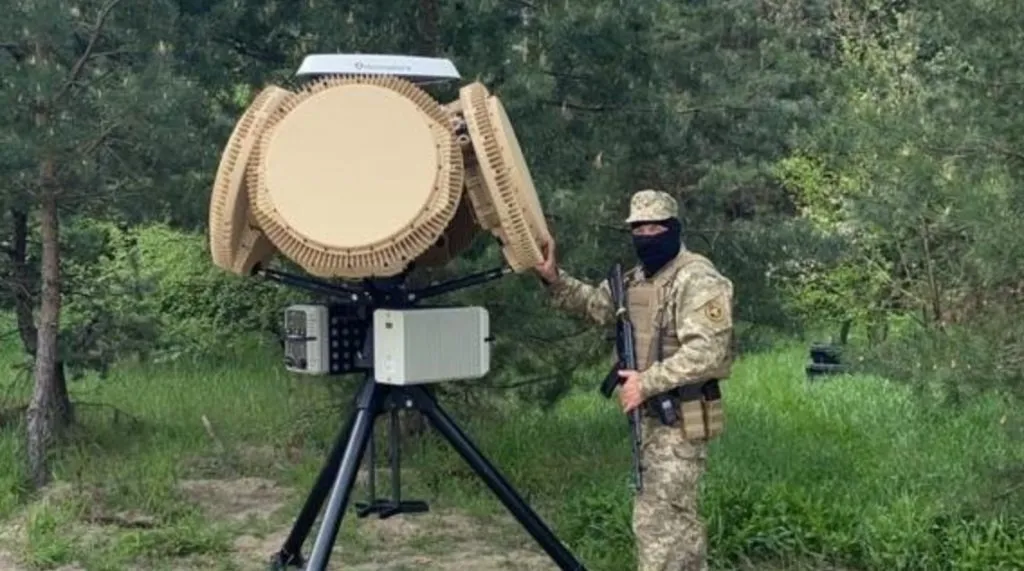
All these units need short-range radar, which in Ukraine includes the RADA, the Giraffe, and the "Poltavka" systems, with typical ranges between 7 and 50 kilometers. Ukrainians also use foreign imports — according to multiple testimonials, Israeli-made radar systems are considered to have the best performance. The problem is, there aren’t enough systems to go around.
"There are very, very few of them," said Lyuba Shipovich, head of Ukrainian NGO Dignitas. "When at the end of 2024 it became obvious that it is also cheaper to shoot down Shaheds with drones, and for this you need radar, then there were not many radar systems left."
Trending Now
The massive demand for detection systems to combat enemy FPVs on the front lines and in the near rear exacerbates the shortage of radar systems, according to Nazariy Barchuk, an analyst with the Ukrainian Center for Security and Cooperation.
Supply
Part of the problem comes down to money and resources, according to a Ukrainian drone test pilot, who asked not to be identified by name for the sake of security.
“Everything is simple, there’s not enough money, there aren’t enough components, because the demand wasn’t as high for them before,” he told Euromaidan Press.
“Scaling up production is difficult and takes a long time and China, as a component supplier, is favoring the Russians as strategic partners.”
He added that the situation on the ground is changing faster than global supply chains can keep up.
The other issue is one of permission. Both the manufacture and use of radar systems is tightly controlled by the military intelligence directorate (GUR), due to the sensitive data these systems provide, Shipovich said. While this is an important security consideration, it also makes scaling more difficult.
Shipovich said that while large radar systems need to be tightly regulated, the private sector needs more leeway to produce smaller systems that can detect drones at shorter distances.
Read Also
-
Ukraine’s Swedish radar planes have flown inside Russian missile range for six months. None has been shot down.
-
Ukraine is running short of its best missiles for hunting Russia’s jet drones. Now MiG-29s are firing 1970s weapons
-
Ukraine is taking 1980s Leopards from across Europe and giving them radar-guided anti-drone guns and gunner-less turrets