
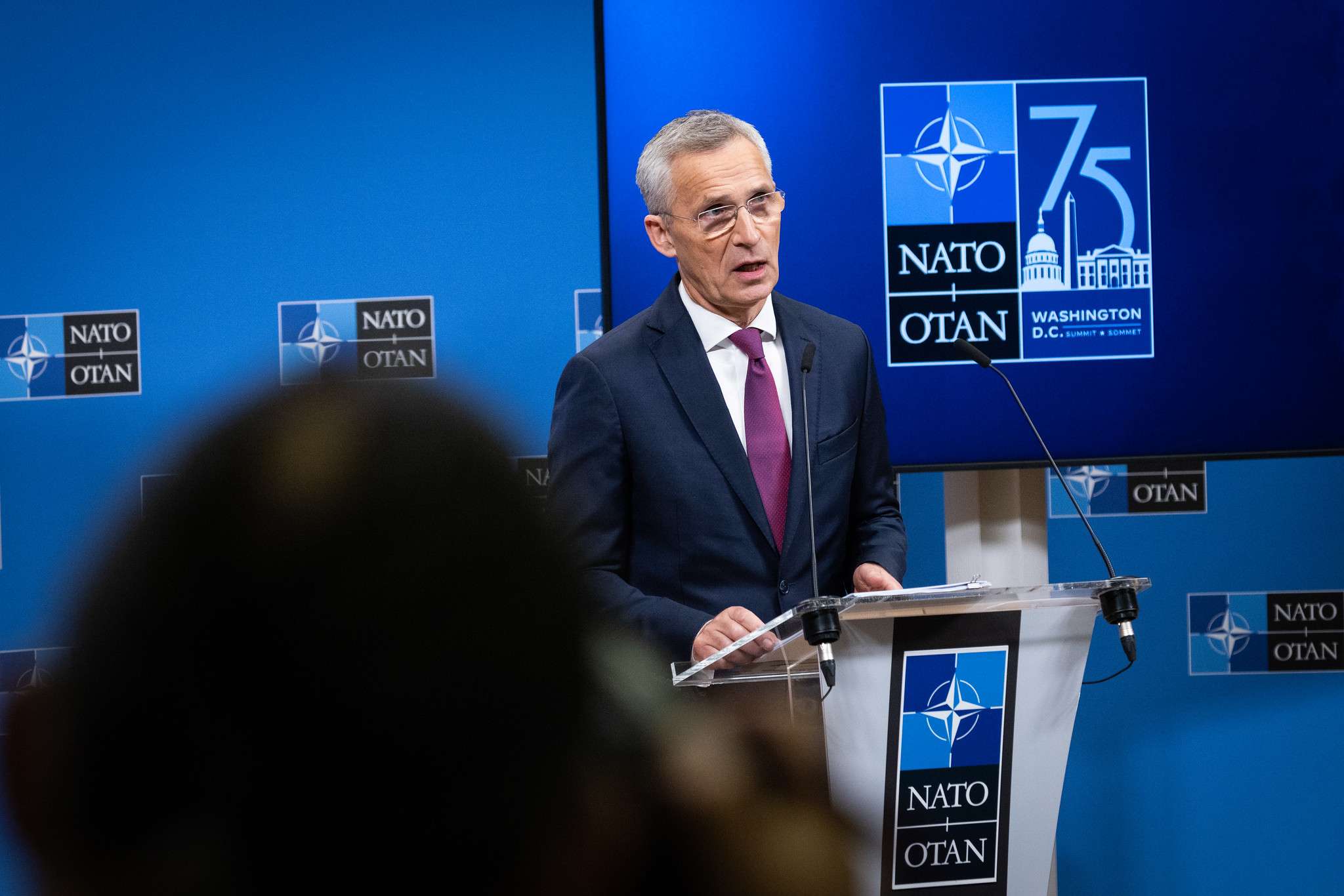
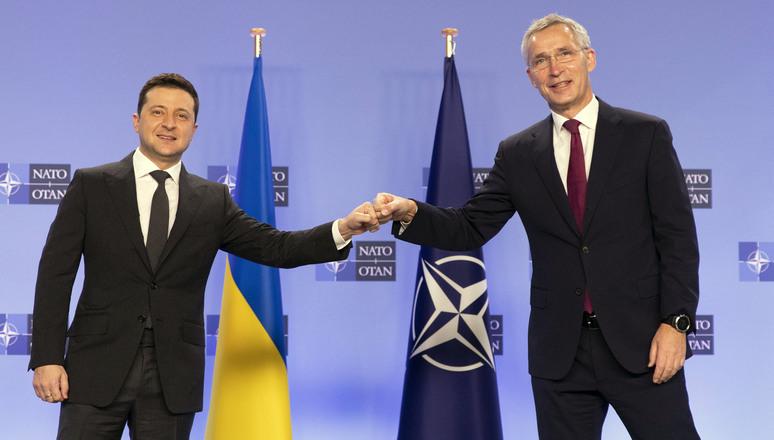
In the fall of 2021, NATO Secretary General Jens Stoltenberg met Russian Foreign Minister Sergei Lavrov and put a proposal on the table: the NATO-Russia Council could discuss Russia's idea of creating a buffer zone along its border and withdrawing allied troops to their pre-1997 positions. In such a case, four NATO members bordering Russia — Poland, Lithuania, Latvia, and Estonia — would remain vulnerable to possible Russian aggression. He did this, by his own account in his newly published memoir, knowing that Poland and the Baltic states opposed it.
That is the disclosure at the center of On My Watch: Leading NATO in a Time of War, reviewed by Estonian security analyst Meelis Oidsalu. Stoltenberg presents it as measured diplomacy. The Baltic states, reading the same paragraph, would see something else.
What NATO had already promised
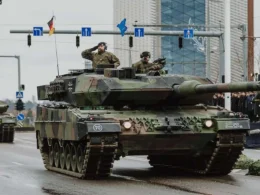
The 1997 NATO-Russia Founding Act extracted a commitment from the alliance that mattered enormously to Moscow: NATO had no intention to station substantial combat forces in new member states. For 17 years, the alliance honored that pledge. When Estonia, Latvia, and Lithuania joined in 2004, no permanent NATO battalions moved in. The Baltics received security guarantees on paper while remaining exposed on the ground.
Russia, for its part, had explicitly accepted this arrangement. In a 2002 interview, Vladimir Putin publicly stated the Baltic states have the right to join NATO. The deal, in outline: NATO expanded, Russia extracted a troop-stationing constraint, and both sides proceeded.
Then Russia annexed Crimea in 2014. The Founding Act's premise—that Moscow would not use force to alter European borders—collapsed. NATO responded by deploying multinational battalions to the Baltic states and Poland, creating its first continuous rotational combat presence there. The alliance treated Russia's violation as grounds for revision of the framework Russia itself had broken.
Behind their backs
Estonia confirmed the sequence independently. Conversations with Estonian diplomats confirm that Stoltenberg "did, in fact, try to raise the issue behind the backs of NATO's eastern border states." Former Commander of the Estonian Defense Forces, Martin Herem, and then-Prime Minister Kaja Kallas both publicly confirmed that Ukrainian President Volodymyr Zelensky's request for a no-fly zone never even reached NATO's formal agenda.
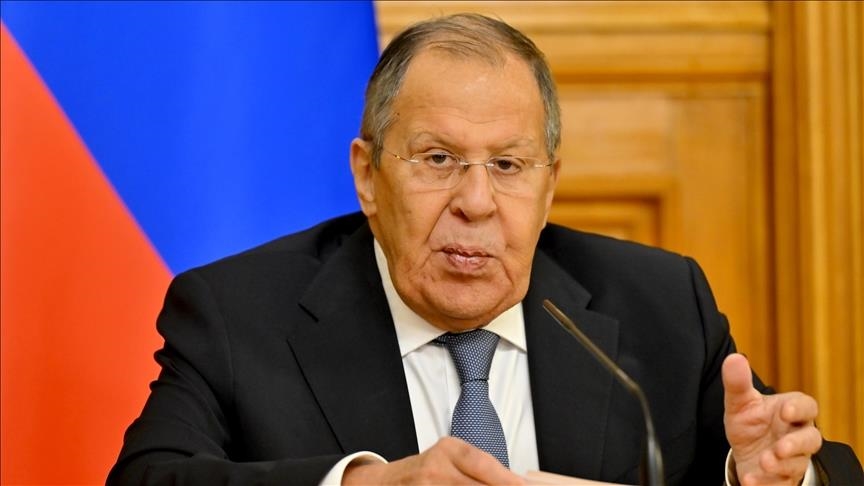
The asymmetry is stark. Kyiv's request for air defense assistance was dismissed before it could be debated. Moscow's proposal for force-posture negotiations was taken seriously enough that NATO's Secretary General raised it personally with Lavrov—without a mandate from the member states most directly exposed.
The question of distance
Oidsalu raises a question the memoir leaves unanswered. Norway, Stoltenberg's home country, joined NATO before 1997. Any troop-withdrawal arrangement under a return to pre-1997 rules would not have applied to it.
"One may reasonably ask whether Stoltenberg would have made such a proposal if it had affected his own country too—especially if he intended, after stepping down as Secretary General, to continue as an active politician back home", he writes.
Stoltenberg does not address the question. He portrays the Lavrov meeting as an example of his broader philosophy: keep channels open, manage escalation, find the reasonable middle ground. What goes unexamined is that "the reasonable middle ground" meant something quite different depending on where in the alliance you were standing.
Trending Now
Dialogue as risk redistribution
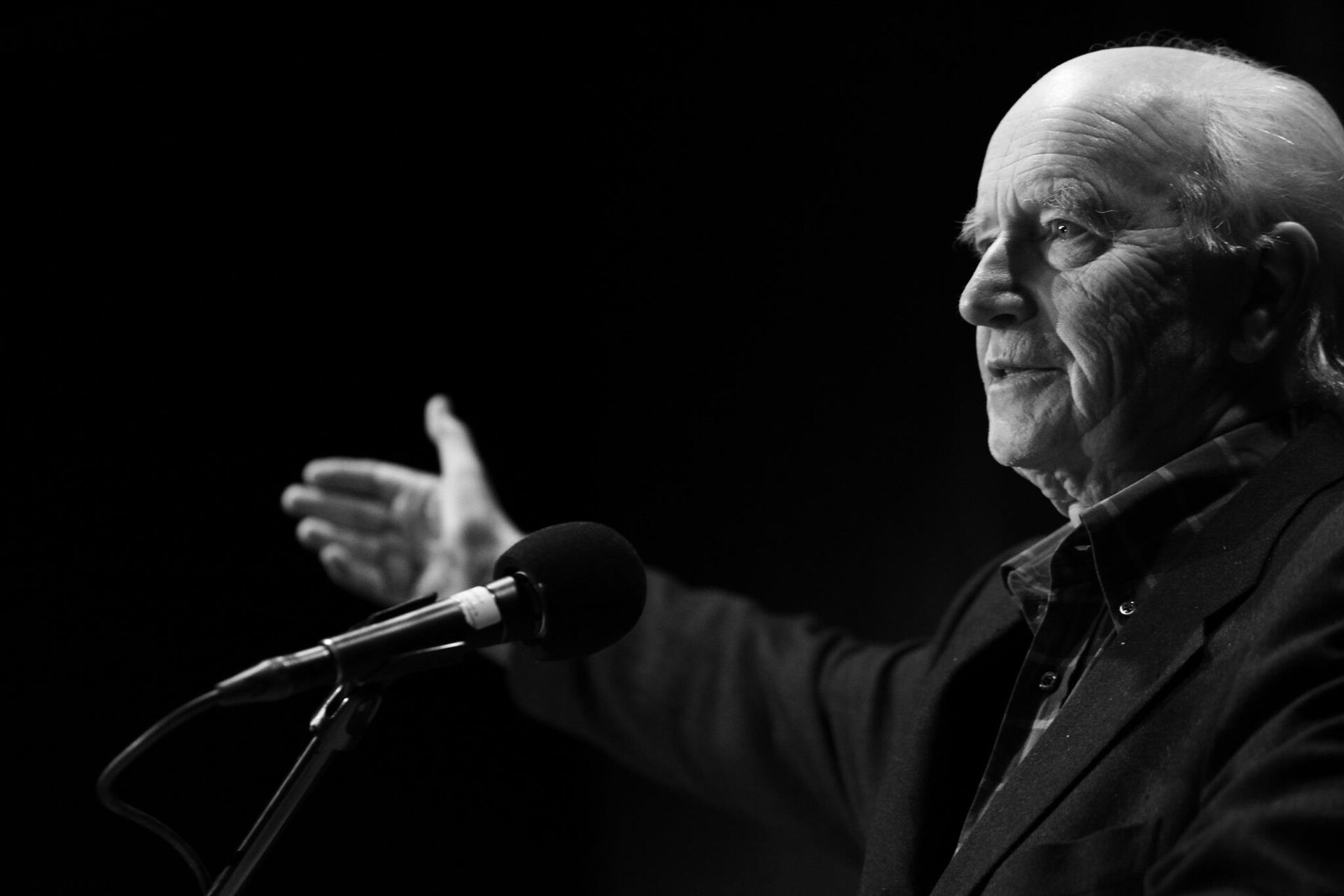
Stoltenberg's memoir is consistent throughout: dialogue with Russia was, for him, a sign of strength, not weakness. His father, Thorvald Stoltenberg—Norway's former foreign minister and defense minister, a prominent figure in Cold War security architecture—held the same view, and Jens Stoltenberg invokes it with evident pride.
That inheritance shaped his tenure in ways that made him, as Oidsalu puts it, "not necessarily a particularly comfortable Secretary General for the Baltic states." The memoir's framing treats his readiness to engage Lavrov on troop arrangements as evidence of diplomatic seriousness. What it required, in practice, was normalizing a framework that the Founding Act had already fixed—and doing so without the consent of the states that would pay the security cost.
The book was published roughly 13 months after Stoltenberg left office, a pace unusual in NATO history—only Lord Carrington published faster, in 1988. Stoltenberg has since returned to Norwegian politics as the finance minister. His former colleagues in Tallinn, Riga, and Vilnius, reading his account of the fall of 2021, will draw their own conclusions about what "keeping channels open" cost them—and who was consulted.
An older pattern
The 2021 episode was not an aberration. The readiness of Western powers to treat Eastern European sovereignty as a variable in their relationship with Moscow runs across decades and leaders.
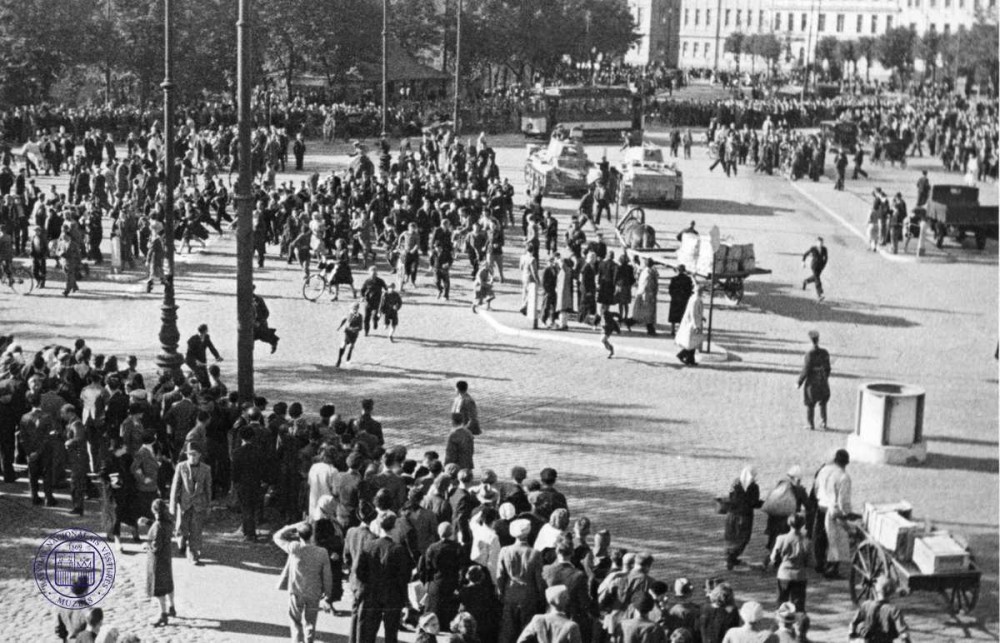
In April 1990, after Lithuania declared independence on 11 March, the response from Western Europe's two largest powers was not support. French President François Mitterrand and West German Chancellor Helmut Kohl sent a joint letter to Lithuanian President Vytautas Landsbergis, urging his government to suspend the independence drive to allow negotiations with Moscow to begin.
The Kremlin had imposed an economic blockade ten days earlier; France and Germany were asking Vilnius to yield. The Bush administration, the Washington Post later reported, had privately encouraged the initiative while avoiding public endorsement, fearing domestic political fallout. The reasoning was familiar. Chancellor Kohl needed Soviet goodwill for German reunification. Mitterrand was focused on European integration.
Lithuania's independence was an inconvenient complication in larger strategic arrangements—arrangements that Lithuania had no part in designing. Lithuania got its independence. The Baltic states joined NATO. None of it happened with consistent Western encouragement at the critical moments. In most cases, it happened despite Western caution—or over it. Stoltenberg's memoir records his episode without apparent awareness of the company he was keeping.