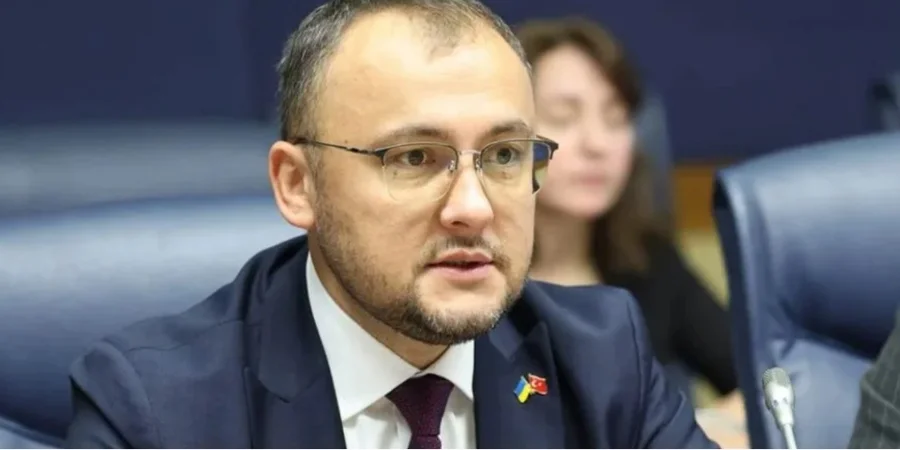
Poland has held up a Ukrainian search at Łasków for months, Ambassador Vasyl Bodnar told Polish broadcaster RMF24, NV reported on 19 August. He says the eastern Polish village may contain the remains of civilians killed there by Polish underground forces in 1944.
The permit dispute is part of a much larger argument over how Ukraine and Poland remember the wartime killings of Poles and Ukrainians. Reciprocal searches resumed only recently after years of deadlock, giving both countries a way to recover and identify victims even as they disagree over historical responsibility. The latest delay tests that fragile progress while Poland remains Ukraine’s main route for Western arms and aid.
Bodnar says Ukrainian civilians were killed at Łasków in 1944 by the Home Army—Poland’s principal underground resistance force during the Nazi occupation—and the Peasant Battalions, an agrarian underground movement.
Bodnar appealed to Poland to issue "at least one permit" for searches on its territory. He said Ukraine systematically approves Polish requests in return. The ambassador blamed the holdup on unspecified “bureaucratic restrictions” and urged Warsaw not to leave the impression that Kyiv was obstructing the work.
In July, Bodnar said Poland’s Institute of National Remembrance had supported the Łasków application procedurally and that only approval from the regional monuments conservator remained. He expected work to start in August.
The institute said it had assisted with Łasków but was awaiting more documents for Ukraine’s separate applications concerning Sahryń and Przemyśl.
Past Polish-Ukrainian exhumations
Reciprocal work between Ukraine and Poland resumed only after Kyiv lifted a moratorium imposed in 2017. Ukraine had halted Polish exhumations in response to the destruction of Ukrainian memorial sites on Polish soil.

Ukraine will keep issuing Polish exhumation permits despite historical tensions. Dispute “causes joy in Moscow,” Kyiv says
A joint team exhumed the remains of 42 Polish victims of massacres by Ukrainian nationalists at Puzhnyky in western Ukraine in May 2025. Ukrainian researchers later searched for a suspected grave of up to 18 Ukrainian Insurgent Army fighters at Jureczkowa, Poland, but found none.
Ukraine granted further permits for Polish searches in 2026. Joint work at Uhly in Rivne Oblast found no mass grave, while exhumations began at Ostrivky and Volia Ostrovetska in July.
Historical grievances strain wartime alliance
The searches are the practical core of a broader dispute over wartime killings of Poles and Ukrainians. Competing interpretations of the Volyn tragedy and battles over Ukrainian Insurgent Army symbols have increasingly spilled into Polish politics and the streets.
Kyiv says it continues approving Polish grave searches while its own researchers wait to begin work in Poland.