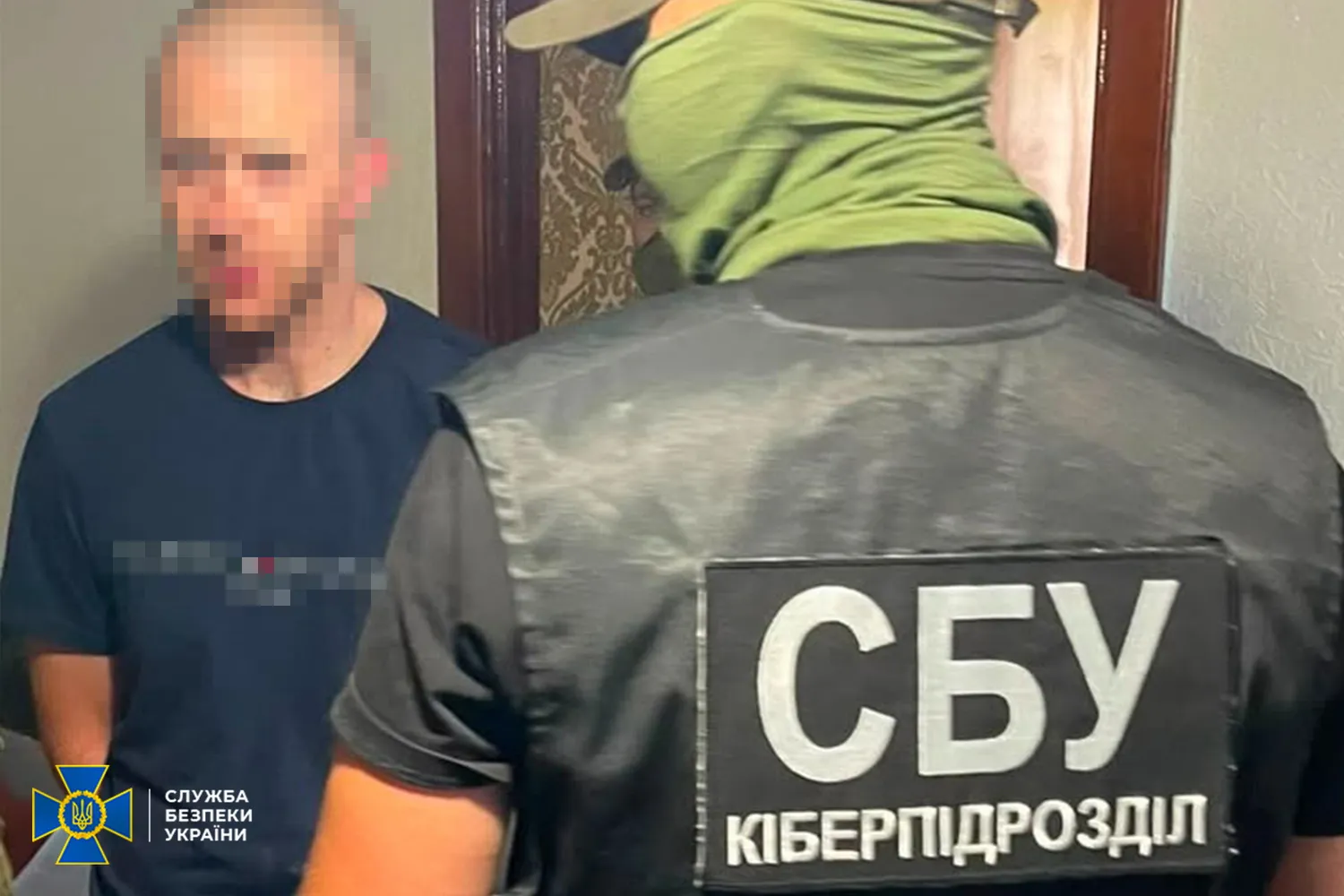
Ukraine's Security Service (SBU) said on 10 August 2026 that it had detained three more people suspected of illegally registering Starlink satellite terminals for Russian forces, and had blocked two separate schemes for putting hostile terminals onto Ukraine's verification list.
The arrests are the latest in a months-long pattern. After Ukraine and SpaceX cut off smuggled Starlink terminals and required every device to be verified, the SBU says, Russia turned to paying financially desperate Ukrainians to register hostile terminals under real Ukrainian identities, laundering them onto the whitelist meant to keep them out. Each case the service has announced follows the same script: a recruit found through Telegram, a terminal signed up in their own name, then pressure to pull in others.
In Dnipro, according to the service, counterintelligence exposed a woman who had done Russia's bidding in exchange for money to buy drugs. She registered one terminal in her own name, the SBU said, then drew in acquaintances, also looking for money for a "dose," to register more.
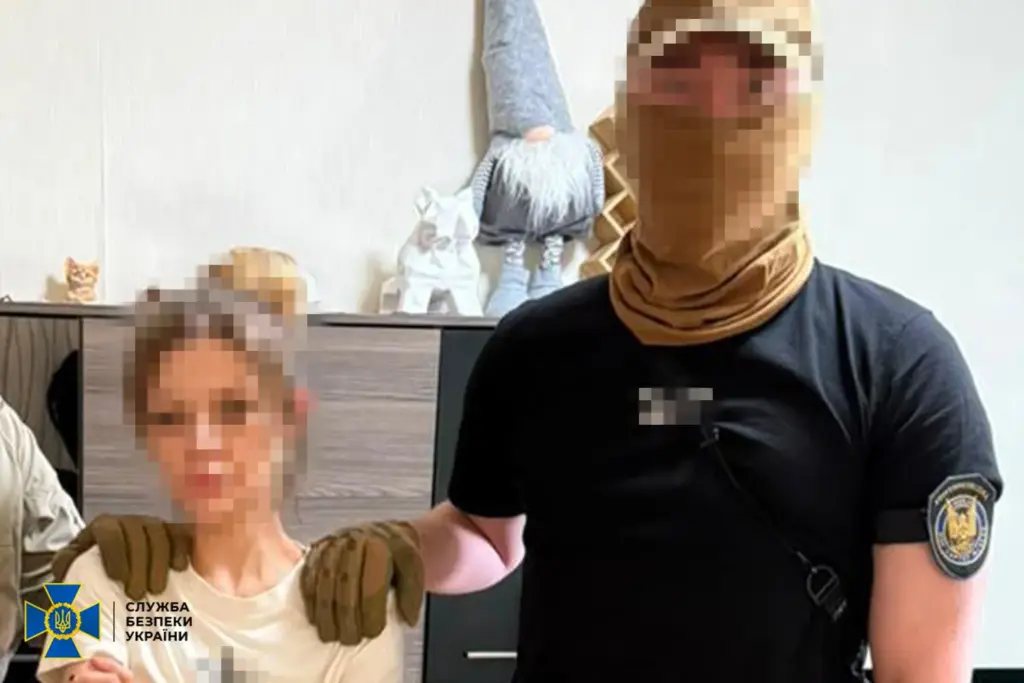
In Zhytomyr, according to the service, a local unemployed woman registered one terminal in her own name, then brought in a male acquaintance, and the two moved to what the SBU called "serial" activation at post offices, using front persons who handed over their personal data for a cut of the payment.
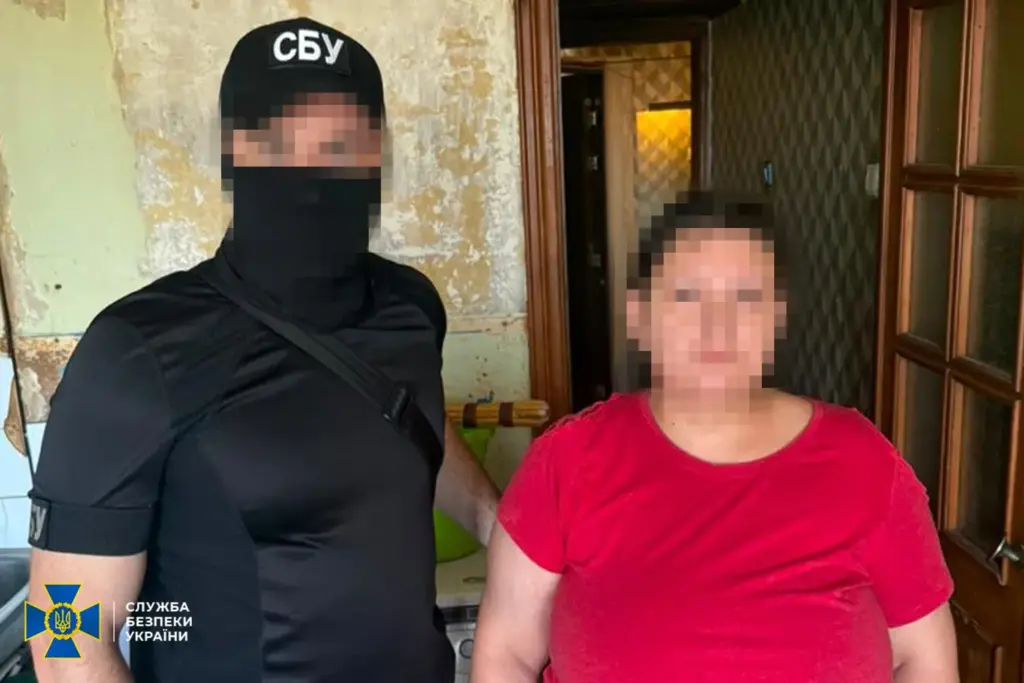
The SBU described all three suspects as drug-dependent people who had gone looking for quick money in Telegram channels, the same recruitment funnel it has flagged in earlier cases. The service said it had documented the suspects' activity, detained them at their homes, and blocked every terminal registered through the two schemes.
Investigators served the three with notices of suspicion under two articles of Ukraine's Criminal Code: Article 114-1, obstructing the lawful activity of the Armed Forces and other military formations during a special period, applied together with the prior-conspiracy provision of Article 28, and Article 111-2, aiding the aggressor state. The SBU said the suspects face eight to 12 years in prison. These are allegations, and none of the three has been convicted.
The SBU's regional directorates in Dnipropetrovsk and Zhytomyr oblasts ran the operations with the National Police, overseen by the regional prosecutors.
In February, the SBU detained a couple in Odesa Oblast who, it said, had agreed to register terminals for Russia at $30 each and planned to pull in a local resident who uses drugs to help.
In late June, the service reported eight suspected agents who registered terminals in their own names, passed the credentials to Russian handlers, and were told to recruit as many additional people as possible.
On 24 July, the SBU said it had broken up a network in Kyiv that used fake Ukrainian passports and an unwitting postal worker to activate 76 terminals for Russia's FSB security service, a case that drew high treason charges under martial law and the threat of life imprisonment.
On 25 July, the service detained a man in Dnipro suspected of registering more than 1,000 terminals, the largest single scheme reported so far.
Why Starlink matters
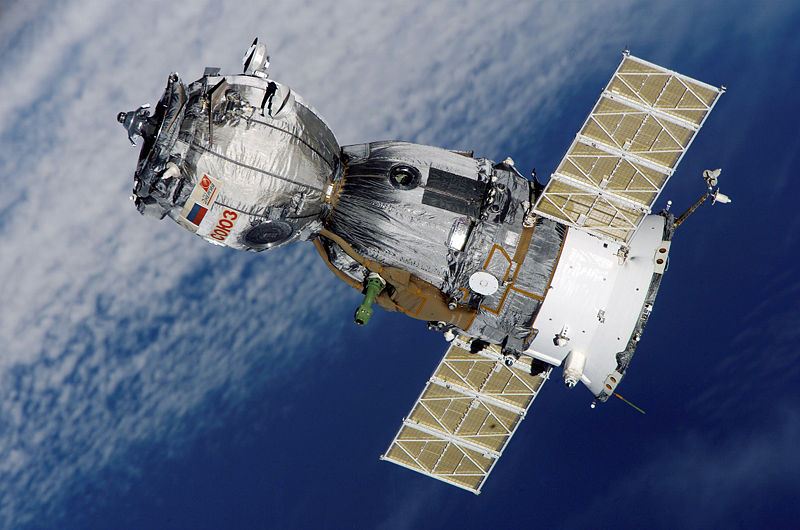
Starlink, operated by SpaceX, has become one of the most important communications systems on the modern battlefield, providing fast, reliable satellite internet that is difficult to jam.
Ukraine has relied extensively on the network throughout Russia's full-scale invasion to maintain communications between military units and support drone operations.
Russian forces have also sought access to the system, but their use has been significantly constrained. In cooperation with SpaceX, Ukraine has introduced verification measures and whitelisted legitimate users operating on Ukrainian territory, limiting Russian access and forcing Moscow to seek alternative communications systems.
Read also
-
“If you’re gonna f*ck, f*ck a queen, if you’re gonna steal, steal a million”: Ukraine’s anti-corruption bureau says senior official ran criminal ring inside Prosecutor General’s Office
-
Ukraine’s Lasar’s Group says its bomber drones destroyed rare Russian Zhitel jammer 55 km behind front
-
More than 400 defense firms ask Kyiv to create one state body with real authority over $6.8 billion industry