


Ukrainian drones struck deep inside Russia overnight into 31 July, lighting fires at a major refinery and a warehouse hub in Volgograd and reaching more than 1,100 km east into Tatarstan by morning, Russian officials and monitoring channels reported. The retailer and the local governor both acknowledged the blazes. The wave extended Ukraine's twin campaigns against Russian fuel and commercial logistics.
Volgograd: a refinery and a Wildberries hub ablaze
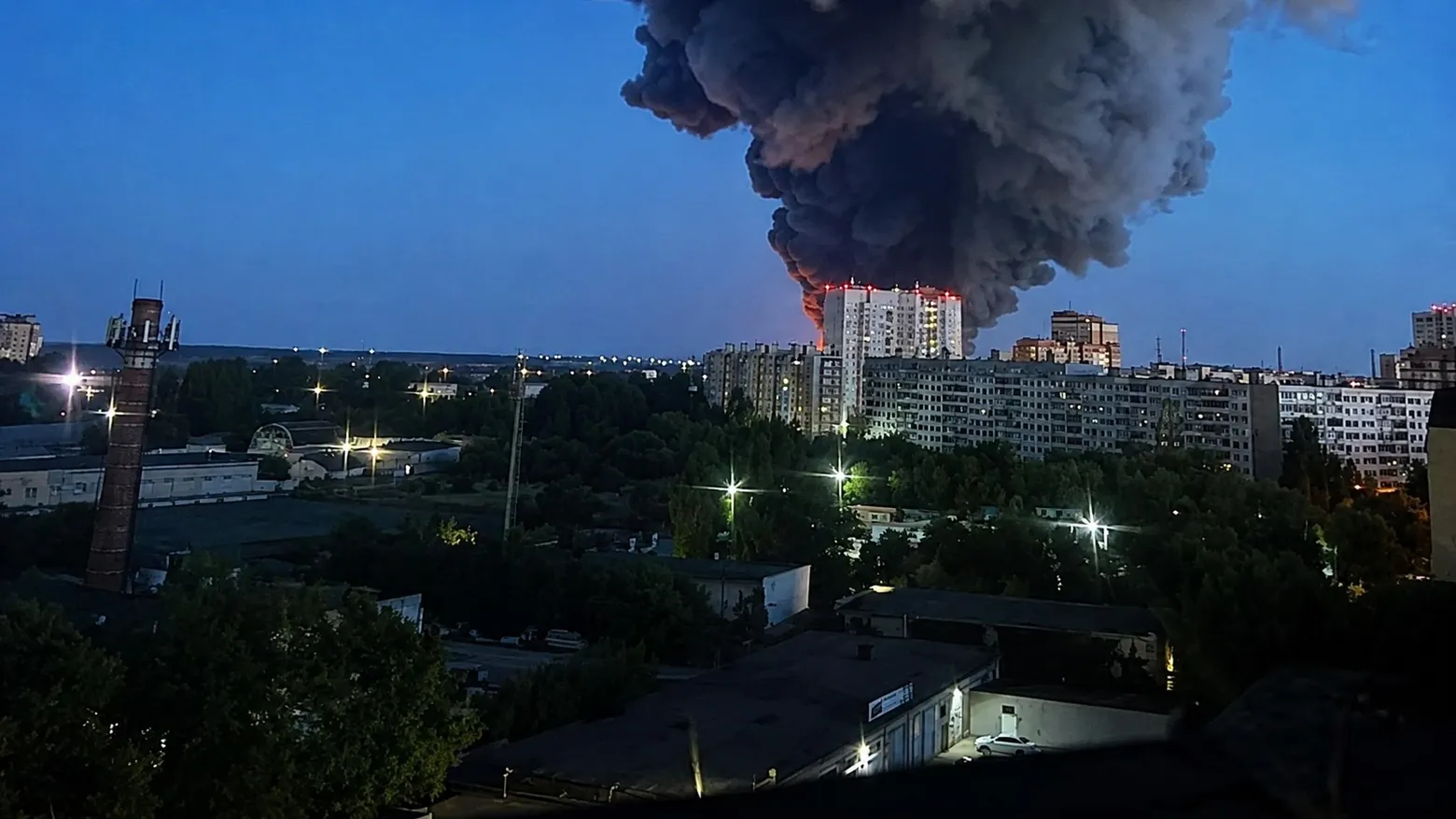
The Ukrainian monitoring Telegram channel Exilenova+ began reporting explosions in Volgograd around 02:30, then shared photos and videos of dense smoke. It identified two targets: a Wildberries logistics complex and Lukoil's Volgograd refinery, and by 03:46 counted at least two sites struck. The Russian news Telegram channel Astra reached the same conclusion through open-source analysis of eyewitness footage.
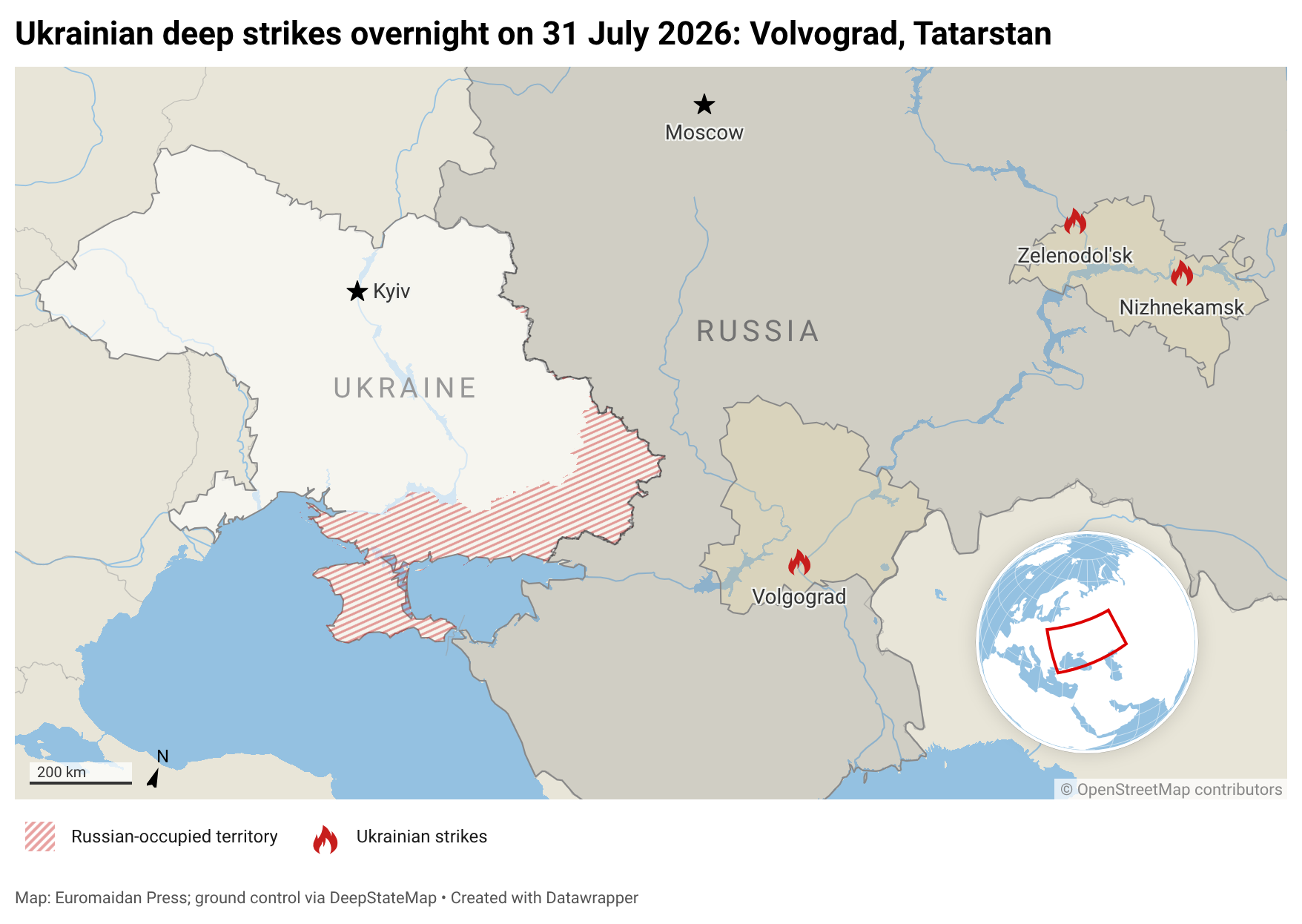
Volgograd Oblast Governor Andrei Bocharov confirmed the drone strikes. He said fires broke out overnight at a fuel-and-energy enterprise in the south of the city and at warehouses in the Dzerzhinsky district, and five people were allegedly hospitalized.
Wildberries confirmed a fire at its logistics center after the strike. The hub spans more than 48,000 m² and serves Volgograd, Astrakhan, and neighboring regions, and it was still burning hours later.
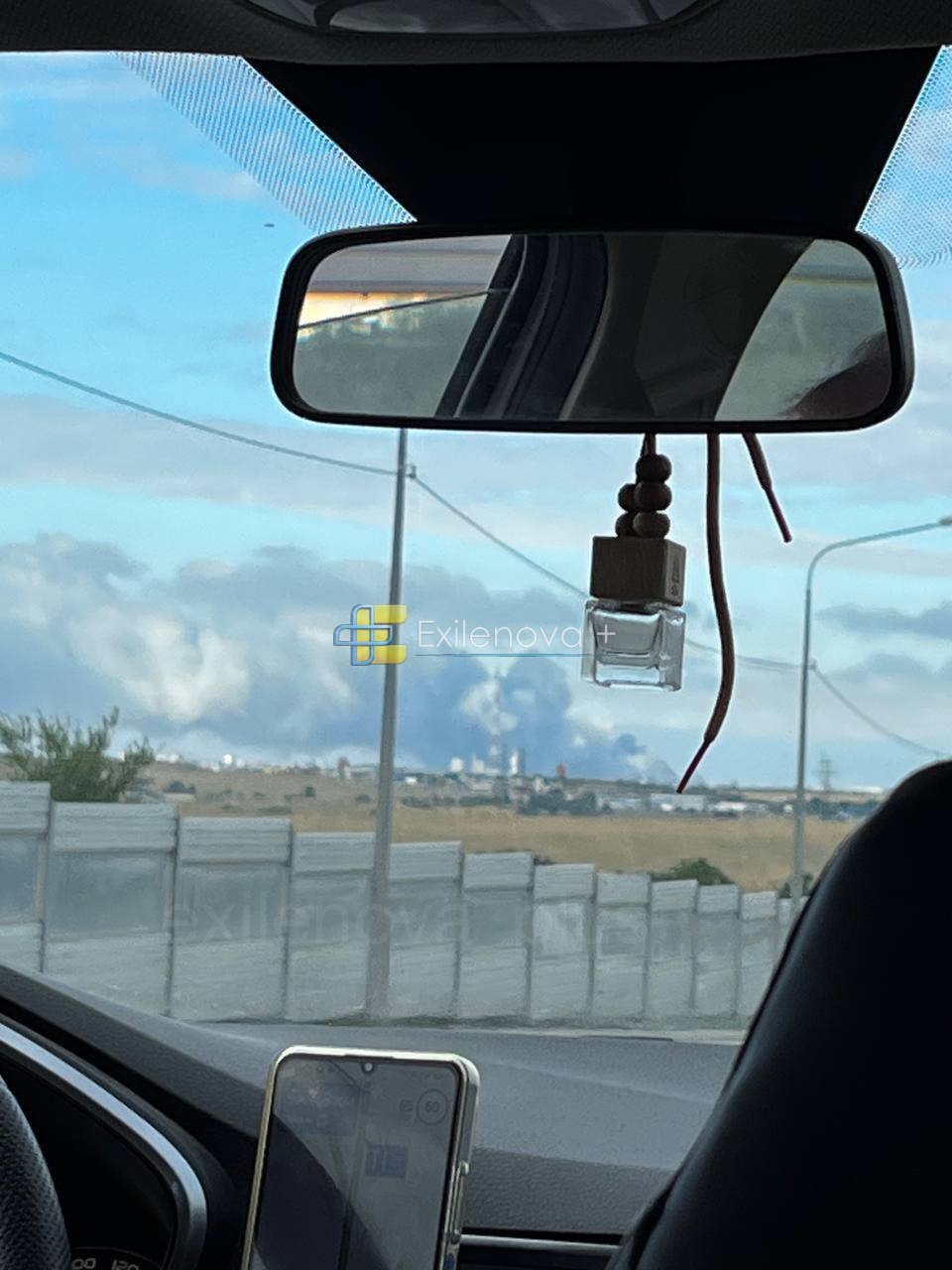
The refinery is Lukoil's Volgograd plant, the largest fuel producer in Russia's Southern Federal District, with a design capacity of about 15.7 million tons of crude a year. It makes diesel and aviation fuel that supply Russian forces in Ukraine's south, and it sits about 500 km from the front line. Ukraine had already struck it at the end of May, and it was ablaze again by morning.
Tatarstan: smoke over Zelenodolsk, explosions in Nizhnekamsk
By morning, residents near Kazan reported explosions across Tatarstan. Astra's analysis pointed to a second Wildberries complex in Zelenodolsk, with smoke seen over the building, and Exilenova+ placed the strike there too, though no official confirmation of a hit followed. One of the shared videos showed a near miss, with a drone striking the ground next to the warehouse.
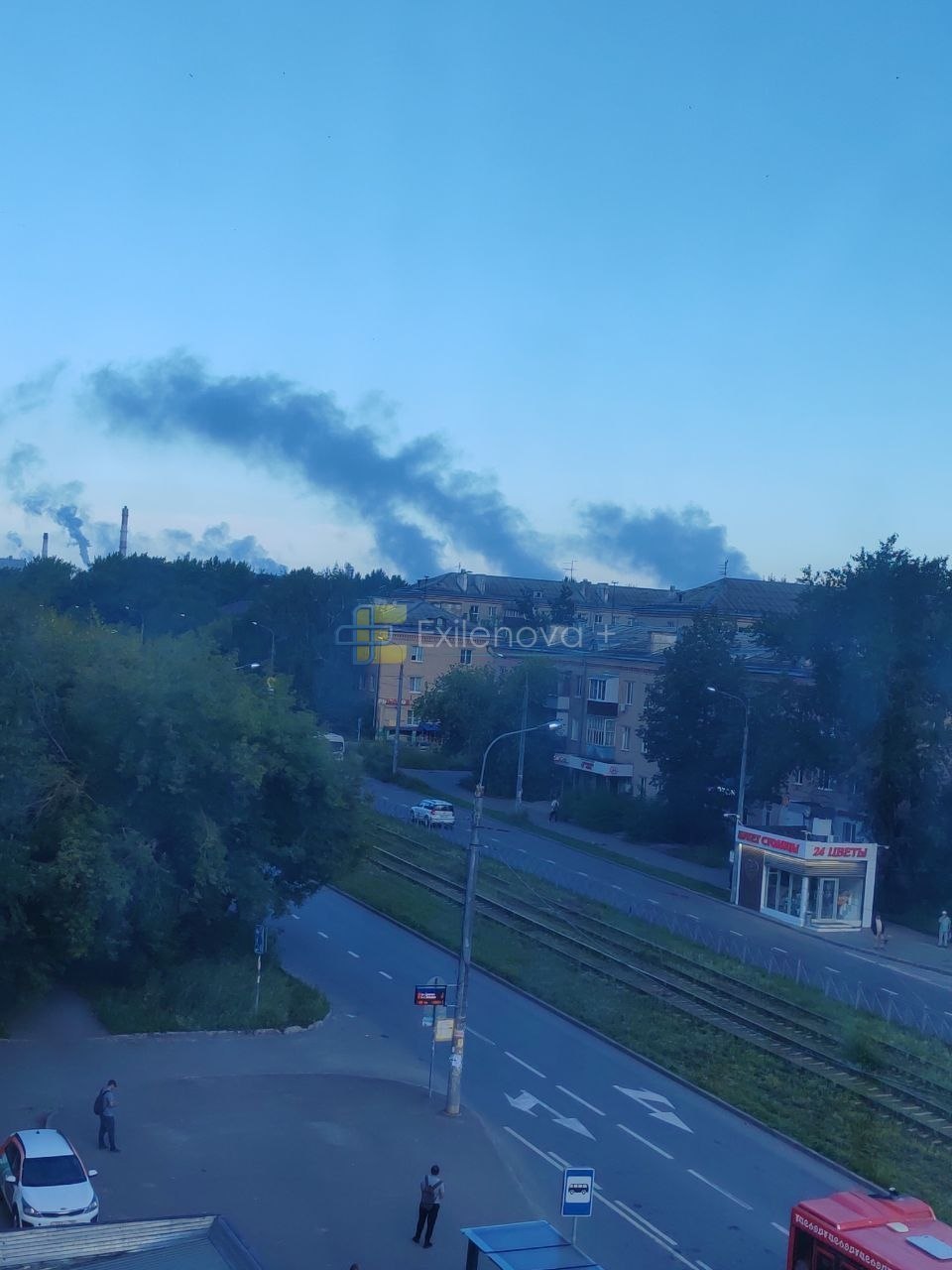
Zelenodolsk district head Mikhail Afanasyev claimed a drone was repelled with no destruction, and Wildberries said that the warehouse was operating normally. Drones had already targeted it on 23 July.

Ukraine’s Defense Forces sent FP-1 drones to Ryazan—a refinery and a warehouse burned
In Nizhnekamsk, locals described over 30 explosions and a flare burning intensely at a refinery, though whether a strike caused it stayed unclear. Exilenova+ said a local refinery cut pressure amid the raid. The city's main oil-processing plants, TANECO and TAIF-NK, sit in one industrial zone. Mayor Radmir Belyaev claimed drones were downed with no damage. Airports in Kazan, Nizhnekamsk, and Bugulma temporarily halted flights.
A campaign against warehouses and refineries
The drive against Wildberries opened on 18 July and has hit at least 18 distribution centers in two weeks, knocking out more than 15% of the retailer's storage, one tally found. Ukraine has kept Wildberries under sanctions since 2021 and lists it as a retailer that also moves military gear.
The refinery strikes run in parallel and stretch back to last August. On 29 July, drones hit a Lukoil refinery in Perm, which halted about a third of its capacity per Reuters sources, and Rosneft's Ryazan plant. Of 26 refineries knocked out in recent months, Russia had returned only eight to full work by late July, the Financial Times reported.


