


Ukrainian President Volodymyr Zelenskyy said Ukraine is preparing a series of "asymmetric measures" and technological solutions to strengthen its defenses against Russia's escalating ballistic missile attacks, following a high-level security meeting on 30 July.
The announcement comes hours after Russia launched a large-scale overnight missile and drone attack across Ukraine in which ballistic missiles once again proved the hardest to intercept. Ukrainian officials have repeatedly warned that dwindling stocks of anti-ballistic interceptors leave cities increasingly exposed.
Ukraine preparing asymmetric response
Zelenskyy said he had received reports from Commander-in-Chief of the Armed Forces Mykhailo Drapatyi, Chief of the General Staff Ihor Skybiuk, Defense Minister Yevhen Khmara, and Deputy Head of the Presidential Office Pavlo Palisa.
"We discussed in detail the challenges created by Russia's tactics of ballistic missile strikes and our ability to counter them at both the military and diplomatic levels," Zelenskyy said. "We identified decisions, technological steps, and asymmetric measures that can provide Ukraine with greater protection."
The president did not disclose what those measures would involve.
More air defense missiles sought from Europe
Zelenskyy said he had instructed Commander-in-Chief Mykhailo Drapatyi to strengthen coordination and information-sharing with military leadership in neighboring countries.
He also said teams from Ukraine's Defense Ministry and the Presidential Office would work with European partners that could help supply additional air defense missiles, as Kyiv continues to press allies for more interceptors capable of defeating ballistic threats.
Ballistic missile threat growing
The renewed focus on ballistic missile defense follows one of Russia's biggest recent air attacks. Overnight into 30 July, Russia launched 358 aerial weapons against Ukraine, including nine ballistic missiles. Ukraine's Air Force intercepted only one of them, underscoring the growing challenge posed by Moscow's reliance on ballistic weapons.
The latest strike highlighted the limits of Ukraine's current air defenses against ballistic missiles, reinforcing Kyiv's calls for more Patriot interceptors and other systems from its partners.

Two children pulled from the rubble alive, three did not survive—one village near Kryvyi Rih after the Russian missile attack
Frontline and long-range strike updates
Beyond air defense, Zelenskyy said the meeting reviewed the battlefield situation, particularly around the Sloviansk and Kostiantynivka sectors in Donetsk Oblast, as well as the operation of Ukraine's Black Sea export corridor.
The president also highlighted Ukraine's ongoing long-range strike campaign against Russian military targets in occupied territories, including Crimea, saying priority targets had been updated.
"Our operation of mid-strikes against Russian forces and positions in the temporarily occupied territory of Ukraine, particularly in our Crimea, continues," Zelenskyy said.
General Staff preparing reforms
Separately, Zelenskyy said the General Staff is preparing a package of systemic reforms aimed at improving frontline situational awareness, accelerating operational decision-making, and giving brigades greater flexibility to respond to Russian assault operations.
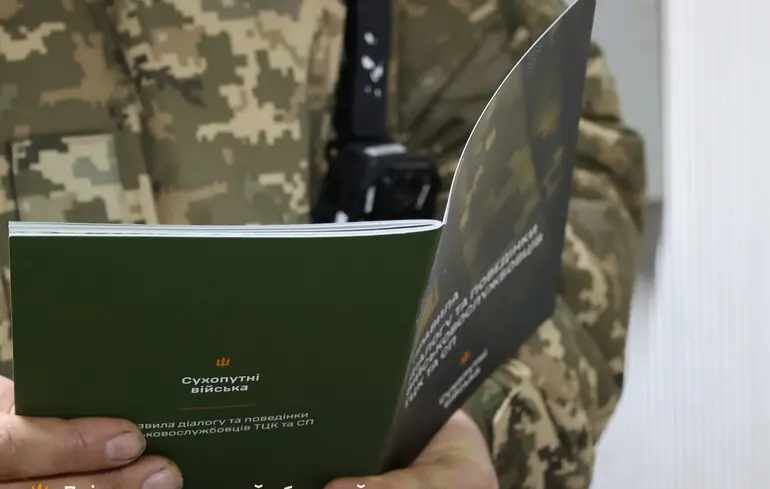
Investigators descend on Ukraine’s recruitment offices in a coordinated nationwide operation
He thanked Ukrainian troops defending the front line and preventing Russian forces from achieving the objectives set by the Kremlin.
Read also
-
“This is a historic event”: Ukraine’s 92nd Assault Brigade uses heavy hexacopter to fly wounded soldier off kill zone in world’s first aerial evacuation of this kind
-
Ballistic missile warnings are back, but the Starlink cap stays, Zelenskyy says: Ukraine’s two US lifelines, one restored
-
No crew, a cargo bed, and pontoons: Ukraine’s MAT1LDA robot is built to cross water with 400 kg


