


A Crimean Tatar human rights movement has ended a decade of documenting political persecution in Russian-occupied Crimea, Crimean Solidarity said in its final statement. The status Russia imposed on it puts anyone connected to it at risk, from the lawyers named on the same list to people who simply pass its reports on. Its website and social media pages have stopped updating, and the movement plans to appeal.
Why it stopped
Russia's Justice Ministry entered Crimean Solidarity in its register of so-called "foreign agents" on 26 June 2026. That status changes neither the movement's values nor its goals, the activists said, but leaves no possibility of working in the earlier format. Every text they publish must now carry an 18+ marking and a block-capital disclaimer, which in occupied territory and Russia must sit above the text. That disclaimer opens administrative and then criminal cases against designated people and against whoever shares what they publish, the Kharkiv Human Rights Protection Group noted. With the label in place, the rights group said, no one who has had dealings with the movement is safe from prosecution.
"We have carefully studied the legislation and taken a joint decision to terminate the activities of our civic movement," the activists wrote on 21 July.
Eleven names, sentences up to 20 years
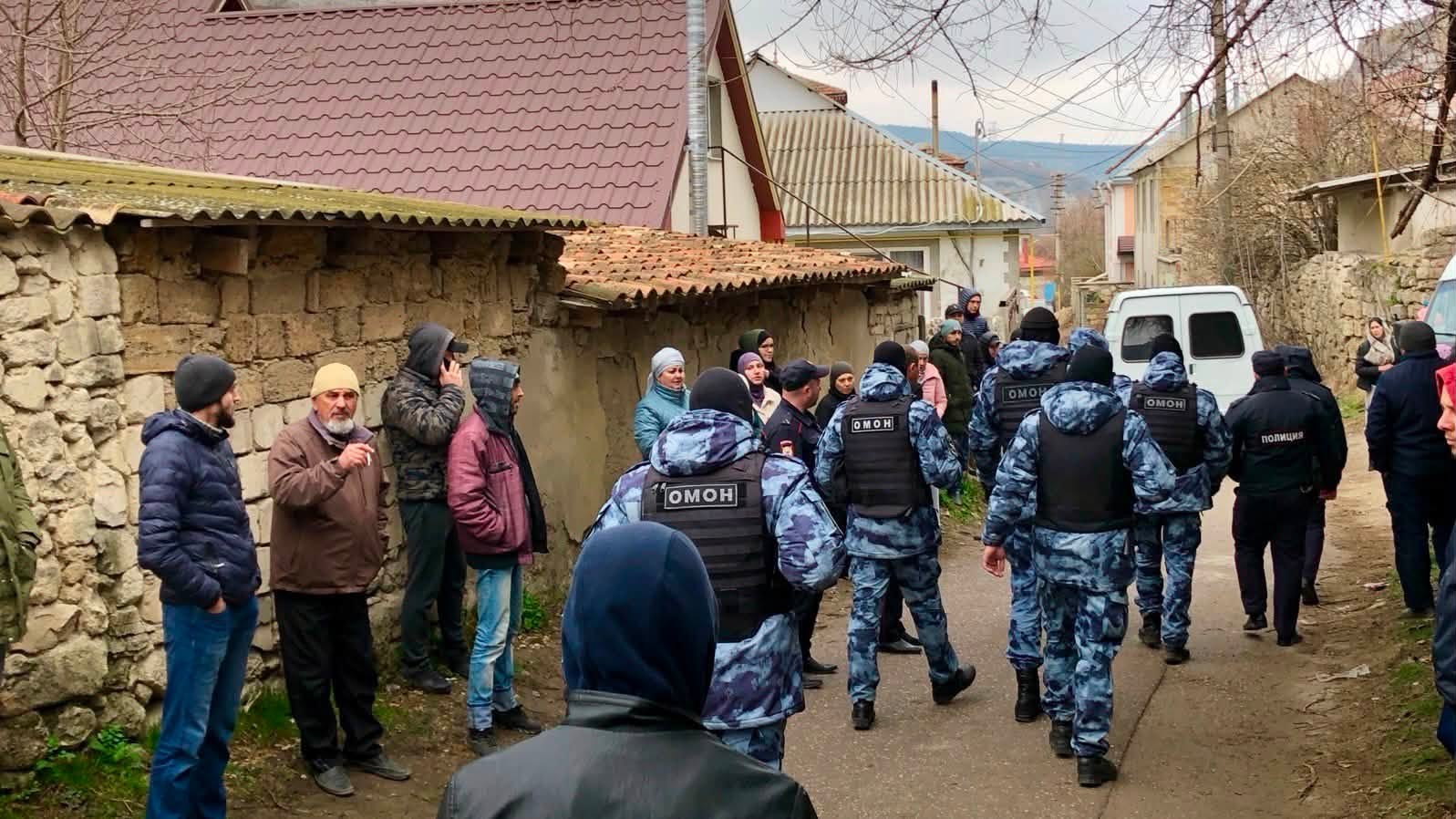
The ministry listed eleven Crimean Tatar lawyers, journalists, rights defenders, and activists alongside the movement. Among them are Server Mustafaiev, already a political prisoner, and journalist Lutfiye Zudiieva, designated separately in May 2025. Three well-known defense lawyers are on the list as well. Many of the movement's people are serving terms of up to 20 years, and Russian officers detained more than 20 of its men in a single raid on 27 March 2019.

67% of Crimea’s repression targets one people: Crimean Tatars. The US peace plan would hand them to Russia
What the peninsula loses
For 10 years the movement supported families of the detained, arranged legal defense and put out material that often never reached the official agenda. Many of the people doing that work were themselves fined, held under administrative arrest or prosecuted.
"History shows that civic solidarity is not defined by state registers," the statement said.

Tamila Tasheva, a Ukrainian lawmaker and former permanent representative of the President of Ukraine in the Autonomous Republic of Crimea, called the decision an act of pressure meant to isolate and discredit rights defenders. Hundreds of families of political prisoners and thousands of residents of occupied Crimea may now be left without legal support, she wrote on Facebook.
A decade under pressure
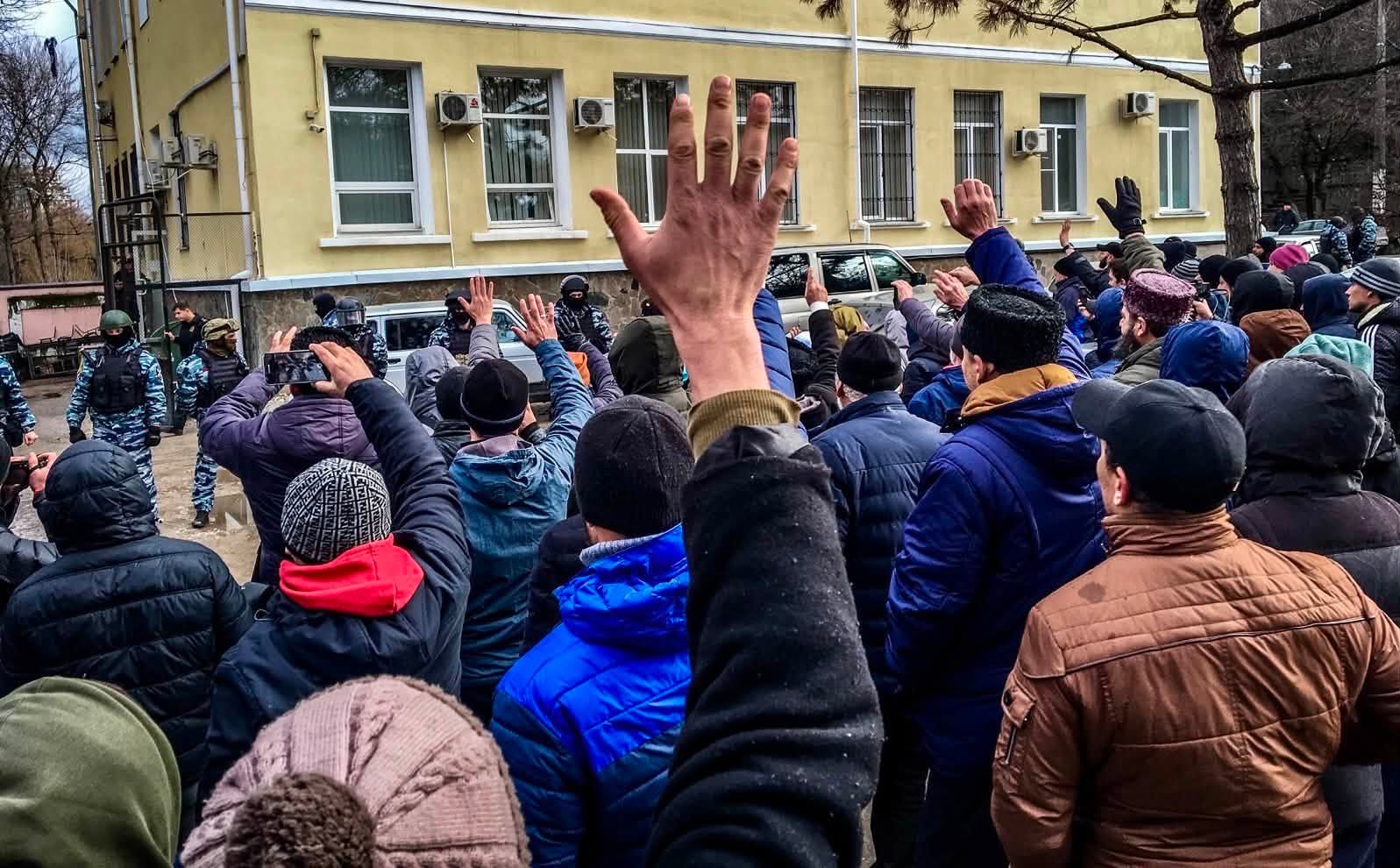
Crimean Solidarity took shape in 2016, after Russian forces stormed Crimean Tatar homes and jailed the human rights defender Emir-Usein Kuku along with three others. By 2017 the Russian FSB was fairly openly going after its civic journalists and activists. In August 2023, FSB officers searched Crimean Tatar homes and took several activists to the security service's office in Simferopol. Pressure on independent initiatives there has built up for years.
Crimean Tatars who stayed there could still become the backbone of resistance to the Russians when Crimea is liberated, Aider Rustemov, mufti of the Spiritual Administration of Muslims of the Autonomous Republic of Crimea, told ZN in an earlier interview.


