

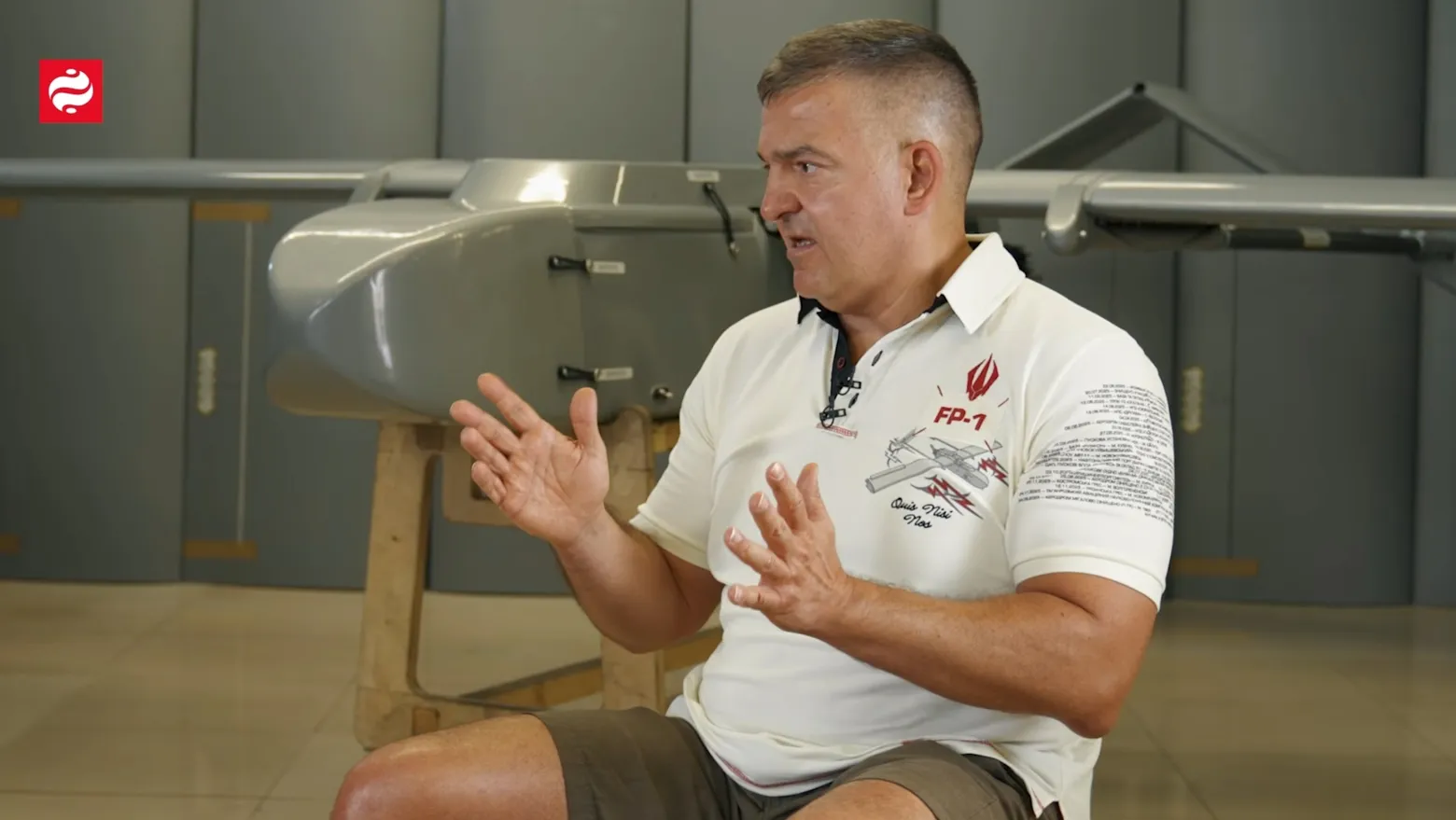
Modern war is won by whoever creates, tests, and refines new weapons faster — not by whoever spends years at the design stage, Fire Point co-founder and chief designer Denys Shtilerman said in an interview with Liga. The man behind Ukraine's most prolific deep-strike weapons contrasted his company's battlefield iteration with Russia's Soviet-era design school. He also revealed that the Iskander missile's navigation systems trace back to Ukrainian specialists.
"Whoever experiments faster wins"
Modern war rewards a different rhythm of weapons development, Shtilerman argued.
"Now whoever experiments faster wins. You made it, you watched — does it fly or not — and then you start testing it on the battlefield, improving it, improving it. It's an endless process," he said.
Many European countries adopt weapons once development formally ends, he added. Only combat shows whether a weapon actually meets the demands of modern war. Fire Point's own record follows that logic: the company spent a year of combat trials before its Flamingo cruise missile started landing on target, and its FP-1 drones went through months of fuel-versus-warhead refinement.

Russia says it downed Ukraine’s first ballistic missile—a weapon Kyiv has never announced
Soviet habits in Russia's weapons school
Russia's engineering school has largely preserved the Soviet approach to weapons design, Shtilerman said. He pointed to the construction of the S-300 and S-400 air-defense systems, where he found no solutions that would simplify production.
"The fourth compartment, where the control fins are mounted — such a complex part. Why did they make it like that? Very many questions," the designer said.
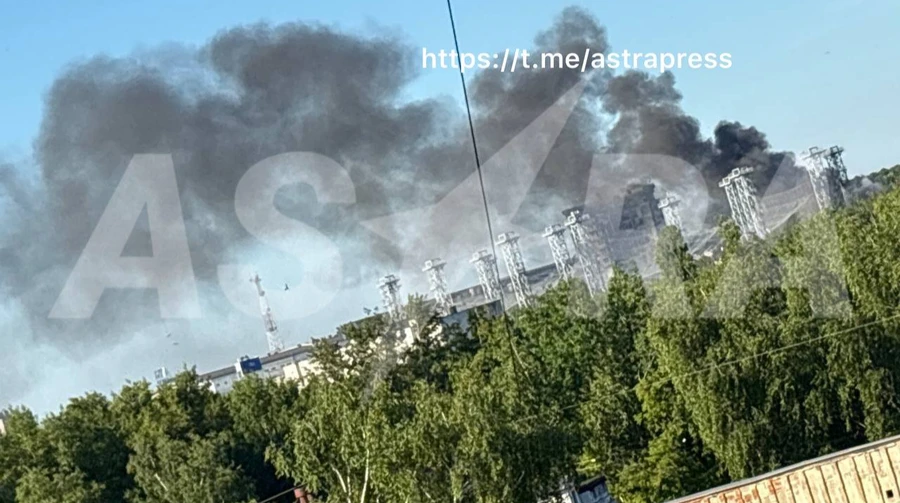
Ukraine reportedly strikes Russian defense plant ‘Progress’ in Cheboksary with Flamingo missiles
The company testing its answer on Russian soil
Fire Point supplies over half of Ukraine's deep-strike weapons, according to Ukraine's General Staff. Its FP-1 drones — including the extended-range variant that reached the Omsk refinery 2,500 kilometers away in Siberia — and FP-2 mid-range drones carry much of the nightly campaign against Russian refineries, depots, and occupied-territory infrastructure. The company says it produces 300 such drones daily.
The next stage is ballistic. Ukraine's ballistic missile will begin live testing on targets inside Russia in autumn 2026, Shtilerman said, naming Moscow among the first targets. The company is also developing an interceptor meant to bring the cost of stopping a ballistic missile below $1 million.


