

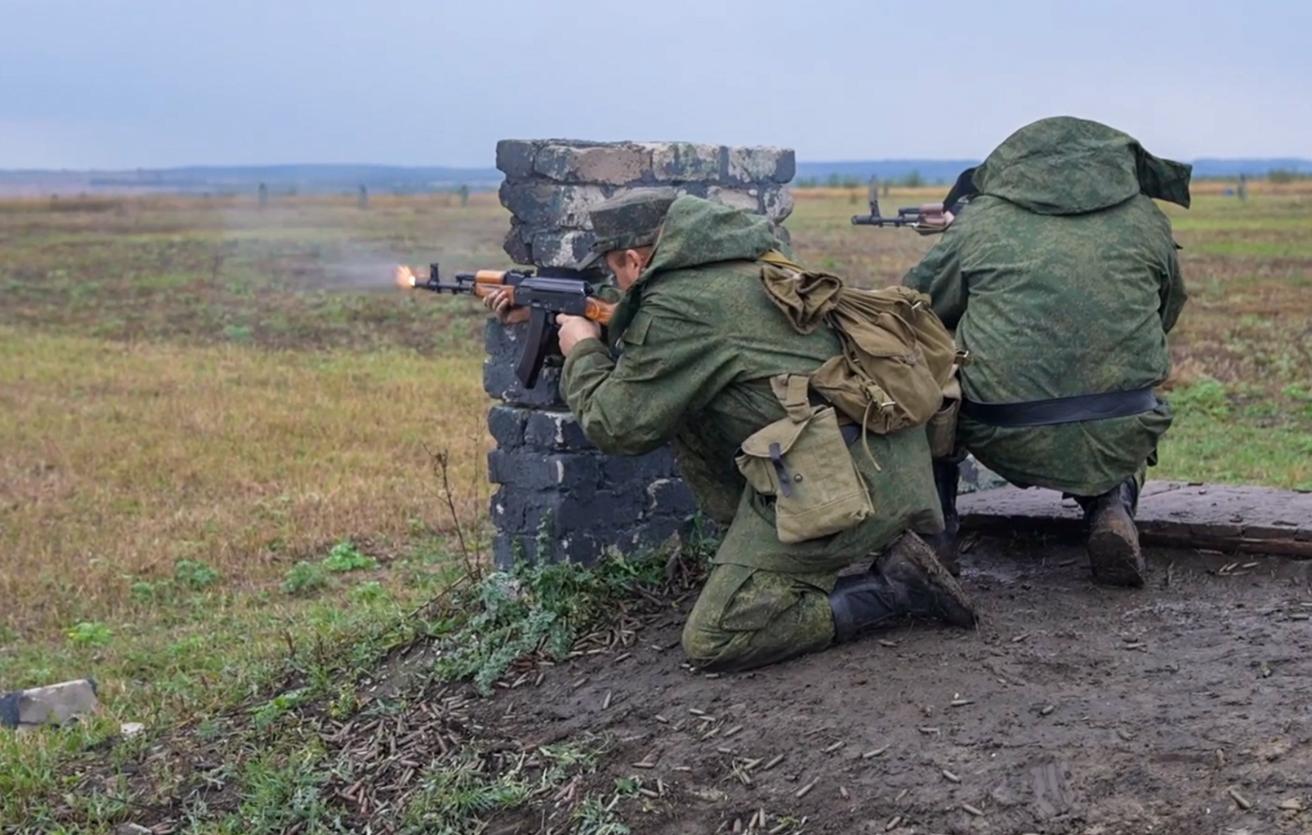
Russian companies have become the center of covert recruitment for the army. Moscow has begun actively involving enterprises with more than 150 employees in the process of compiling candidate lists for contract military service, Business Insider reports.
In Ryazan Oblast, Governor Pavel Malkov signed an order requiring both private and state-owned companies to nominate employees.
According to the order, the number of required candidates depends on company size:
- 150 to 300 employees – at least 2 candidates;
- 300 to 500 – 3 candidates;
- over 500 – 5 candidates.
The order applies to both private and state enterprises. In effect, this creates a new form of pressure on employers, who now become part of the recruitment system. It effectively establishes a mechanism for hidden mobilization without an official announcement.
Kremlin bypasses voluntary service and hides scale of mobilization
Although Russia officially avoids announcing another wave of mobilization, the authorities use alternative methods to replenish the army. These include financial bonuses, recruiting prisoners, overseas enlistment, and now, pressure through businesses.
This new approach shows that voluntary service is increasingly controlled and directive. The document does not specify penalties for noncompliance, but current legislation allows fines of up to 1 million rubles ($12,300) for companies that obstruct government orders.
Will Russia have enough soldiers to expand army to 2.38 million?
Russia hopes to increase active troops to 1.5 million and total forces to 2.38 million. Despite financial incentives and recruitment campaigns, enlistment rates are falling, especially in major cities.
Previously, Valery Borovik, founder of the defense manufacturer "First Contact", said on “Kyiv24” that
Russian society is gradually being prepared for mass mobilization because "it cannot achieve the tasks set. Losses are significant, even higher than Ukraine’s, and constant replenishment is needed."
Russians have been prepared for mass mobilization due to heavy losses and the inability to meet assigned objectives.