


Russia launched a disinformation campaign blaming Ukraine for the Dniester River oil contamination it caused itself, Ukraine's Center for Countering Disinformation reported on 17 March. Pro-Russian outlets in Moldova are simultaneously running three mutually contradictory fabrications about the spill's origin and attacking Moldova's government for the crisis that Russia created. Ukrainian and Moldovan services continue to monitor the river and install containment booms, according to the watchdog.
Three fakes, zero consistency
Pro-Russian information resources in Moldova are actively promoting three contradictory explanations for the Dniester contamination, the Center for Countering Disinformation reported.
The first claims an overturned Ukrainian truck carrying fuel oil caused the spill. The second attributes the contamination to "highly toxic rocket fuel" released during Ukrainian air defense operations. The third claims Russian forces struck a Ukrainian Flamingo rocket assembly workshop, triggering the pollution.
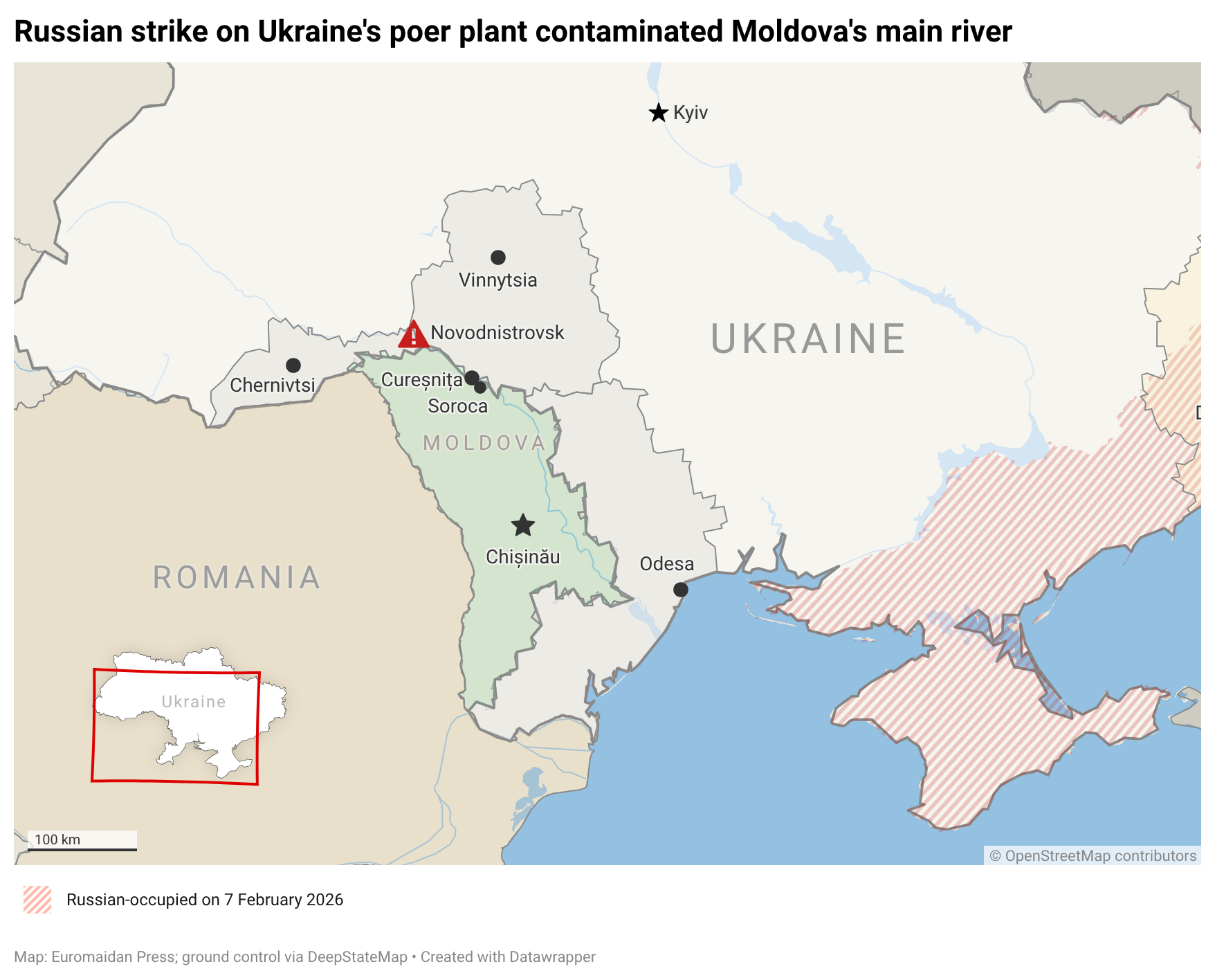
None of the three narratives is supported by any evidence, the Center stated. All contradict the officially established facts: the contamination is linked to the consequences of Russia's 7 March strike on Ukraine's Novodnistrovsk hydropower plant in Chernivtsi Oblast, which caused a leak of industrial technical oils into the river.
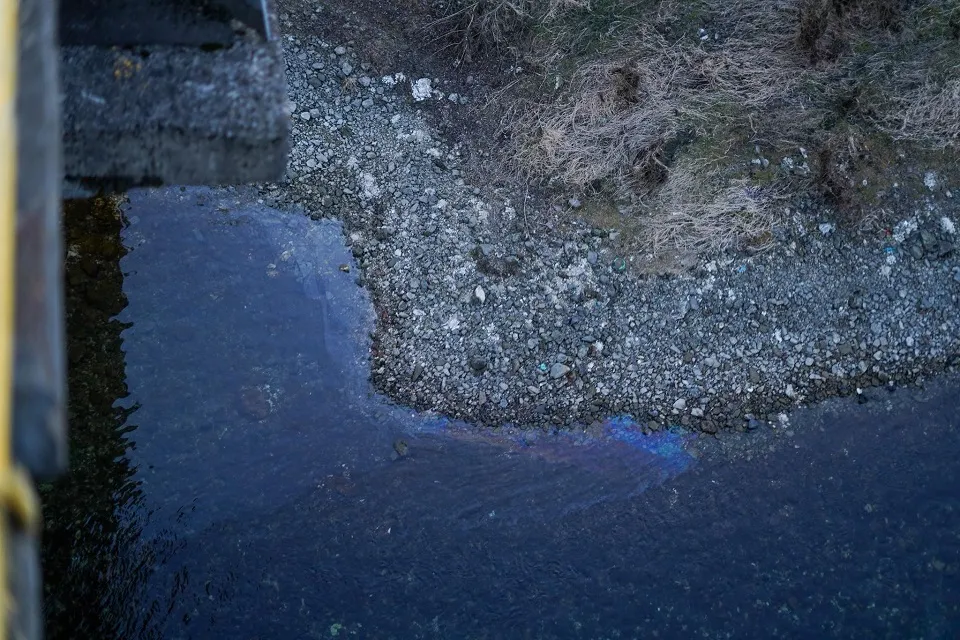
Russia hit Ukraine’s hydropower plant eight days ago — and poisoned a river that flows into Moldova
The pollution spread downstream into Moldova, threatening water supplies to communities in the country's north.
A second track: attacking Moldova's government
Running parallel to the fake origin stories is a separate information campaign against Moldova's leadership, the Center warned. Pro-Russian outlets are accusing Moldovan authorities of inaction, concealing the true scale of the incident, and failing to help the population — none of these accusations is substantiated.
The Center described the dual operation as Russia's attempt to shift responsibility for the ecological consequences of its own strikes onto Ukraine, while simultaneously running an information attack against Moldova's leadership.
Response on the ground
Ukrainian and Moldovan services are monitoring the river, installing containment booms, and taking steps to minimize the ecological damage, the Center noted.
Moldova cut water supply to Naslavcea and four northern districts, declared a 15-day environmental alert, and called in the EU Civil Protection Mechanism to help contain the damage.
Earlier, Ukraine's Human Rights Commissioner Dmytro Lubinets emphasized that the contamination is a direct consequence of Russia's attack on the Novodnistrovsk hydropower plant.
Read also
-
Russia offered $100,000 per kill: Joint Ukrainian-Moldovan operation dismantles assassination network targeting public figures
-
Russia revives debunked “secret prisons” lie about Ukraine torturing Russian POWs
-
Ukraine’s grid collapse plunges Moldova into darkness as temperatures hit -20°C (INFOGRAPHICS)


