Here at Euromaidan Press, we take our readers seriously, so we will not pretend that we have a crystal ball and can tell you the outcome of the US war against Iran.
But here is what we do know ten days into the US war against Iran: Patriot ammo is draining across the Gulf, Urals crude has blown past $100, and multiple countries have started calling Kyiv—not Washington—about drone defense.
For Ukraine, the war is both bad and good news. The devil, as always, is in the details.
We asked three of our most experienced writers to piece together a comprehensive overview of the many issues brought up by the war—including the ifs and buts—so you can make up your own mind.
The only thing that does seem certain is that international politics—and Ukraine's position—will never be the same again.
THE MILITARY SIDE OF THINGS
Ballistic interceptors
Patriot ammo is quickly draining as the US and Gulf states fend off Iranian missiles. Unfortunately, Patriots are Ukraine's only current answer to stop incoming ballistic weapons from Russia, which are being produced at over 70 units per month.
US defense contractors can produce 550 PAC-3 MSE interceptors per year, says the US Department of Defense. The US Army is buying 224 of them, while the remaining amount is slated for foreign sales.
Germany has already run out of its own air defense missiles and can no longer transfer them to Ukraine from national reserves. Now, the Gulf states are clamoring for more, as their stockpiles are used up to defend from Iranian missiles. Ukraine fears that PAC-3 supply will run dry amid the war in Iran.
Ukraine's only real response to this shortage is to try to intensify its own campaign to strike Russia's production facilities and launch sites before ballistic missiles take flight, said Mykhailo Samus, an international relations analyst with the International Center for Defense and Security.
But this will not be easy. The Royal United Services Institute wrote that Russia's air defenses are robust, taking down 90% of Ukraine's deep strikes.

Not enough Patriot missiles to stop 60 Russian Iskanders a month. The Iran war is draining what’s left.
Europe is distracted
It is unlikely that European countries will actually join the war. However, both the UK and France have delayed military exercises in the North Sea to instead send naval assets into the Mediterranean.
The planned exercises were meant to rehearse possible military operations in the case of a more direct military confrontation between Russia and NATO. They were, of course, also meant to demonstrate capability against Russia.
"That's reducing readiness and also putting less pressure on Russia because they're diverted by this Mediterranean and Gulf situation," said Marc DeVore, a military scholar with St. Andrews College in the UK. This is "sucking the oxygen" out of Europe's policymaking circles when it comes to defense, DeVore warned.
Russia sharing intel with Iran
Russia has been feeding intel that enabled Tehran's precision strikes on US military targets. That includes command and control infrastructure, radars, and other installations, like the one in Kuwait where six US service members were killed in a strike, The Washington Post reported.
"What Russia could most immediately provide is overhead imagery from their reconnaissance satellites," said US open source analyst John Ridge. "They can likely provide a single high-resolution revisit per day and multiple low-resolution revisits per day."
This could potentially help the Iranians with real-time information about when American and Israeli jets take off—helping them prep for attacks, in a similar way to how Ukraine gets advance warning of Russian attacks thanks to intelligence from the US and other Western allies.
"Russia has started supporting the Iranian regime with drones. It will definitely help with missiles, and it is also helping them with air defense," President Volodymyr Zelenskyy posted on X. Mykhailo Samus from the International Center for Defense and Security points out that the Shaheds that attacked the UK's base in Cyprus had Russian parts.
Moscow's logic is straightforward: the longer Iran fights, the longer US attention and munitions stay diverted from Ukraine. Russia does not need Iran to win—it needs Iran to last. EU foreign policy chief Kaja Kallas drew the contrast: "Moscow and Tehran are working together to kill US troops. Ukraine is offering to help defend them. That alone should tell you who your friends are."
Russia is also sharing drone tactics it tested in Ukraine with Iran, CNN reported—specific targeting strategies that helped Shaheds penetrate air defenses in Gulf countries.
Ukraine's tech and experts wanted by everyone
Russia is not the only one whose services are in demand. When thousands of Iranian drones started flying every which way and multiple countries started spending hundreds of millions to shoot them down with exquisite weapons, they suddenly remembered that Ukraine is the leading expert in the world at doing just that, at a fraction of the cost.
Ukraine has maintained a consistent shootdown rate of over 80% of the endless swarm of Russian missiles and drones.
"All of a sudden, that was the point they recognized what Ukraine has been talking about," said Deborah Fairlamb, founder of Green Flag Ventures and a longtime investor in Ukraine's defense industry.
Multiple Gulf states have approached Ukrainian drone manufacturers, asking to buy interceptor drones. Zelenskyy has offered drone defense expertise to the Middle East, instructing his foreign minister, intelligence agencies, and military leadership to arrange concrete steps.
Beside cost and track record, Ukraine has another advantage: delivery speed. Ukraine has a model in which thousands of companies constantly iterate better products in batches, which are then tested in the field. In contrast, large defense contractors in the US might take years to develop a product.
"I think delivery schedules will be the key factor, yeah," US open source analyst John Ridge says. "That and being combat proven. A US contractor could develop something better but it would take time and cost money, both to test and field."
This abrupt demand creates a window of opportunity for Ukraine, for sure, but there are still many questions to resolve such as the legal and bureaucratic frameworks for export and training. Plus, of course, Ukraine itself needs its experienced drone operators on the front line.
Ukraine also wants to control the process, to sell but avoid a transfer of the technology.
"We have a unique chance to provide comprehensive solutions for our allies. But it's very important not to just give them the technology; we should sell the ready-to-use product, like they do," Samus said.

Iran crammed its drones onto one 250-meter ship. Ukraine could have told them how that ends.
THE MONEY SIDE OF THINGS
Russia's oil windfall—or not?
The most direct military impact for Russia is financial: if Russia is able to consistently sell oil at higher prices, especially with calls for relaxing sanctions or creating exemptions from them, that means more money would go into Russia's military-industrial complex, whose products go straight from the factory into Ukraine.
"The main resource for Russia is money. For money, they buy technology components in China," Samus said. "They could order components and produce weapons in North Korea. They can buy anything through several countries to avoid sanctions. Having American, European, Japanese, or Taiwanese components in missiles and drones is not a problem."
On the one hand, Urals crude more than doubled in nine days, crossing Russia's own $59/barrel budget target for the first time in months. By 9 March, Urals hit $100.67—its highest level in years. Moscow's oil revenues are—for now—running ahead of plan.
On the other hand, the sanctions discount—what buyers charge for the legal and reputational risk of purchasing Russian crude—barely moved.
Russia is earning more because the whole market rose, not because its position improved.
Buyers are paying more in absolute terms but demanding the same discount for the same reasons: sanctions exposure, insurance problems, and reputational risk. By 10 March, Urals had already fallen back to $85.15—still above the $59 budget target, but the windfall is narrowing as fast as it arrived.
Before the Iran war, the picture was very different. In 2025, Russia's oil revenues fell 24%, pushing the deficit to $72 billion as sanctions and Ukrainian drone strikes on refineries squeezed war funding.
Trending Now

Washington's waiver: emergency measure or policy shift?
On the one hand, as the Hormuz crisis cut off Middle Eastern oil supplies, India faced an acute shortage, and 27 million barrels of Russian crude were already sitting on tankers in the Indian Ocean and Arabian Sea, stranded by sanctions. Washington issued a 30-day waiver allowing Indian refiners to purchase this oil. The Energy Secretary called it "no change in policy."
On the other hand, the waiver came just weeks after India had pledged to halt all purchases of Russian crude—a commitment made in exchange for the White House lifting a 25% tariff on Indian goods. It expires on 4 April. And the Treasury Secretary has since publicly floated lifting broader restrictions on Russian oil to release global supply.
That goes well beyond stranded tankers—and on 10 March, Trump told reporters he had discussed waiving "certain oil-related sanctions" directly with Putin. What replaces the waiver on day 31 may already have been decided in that call. Democratic senators are already seeking an investigation into the move.
How far does the Hormuz crisis go?
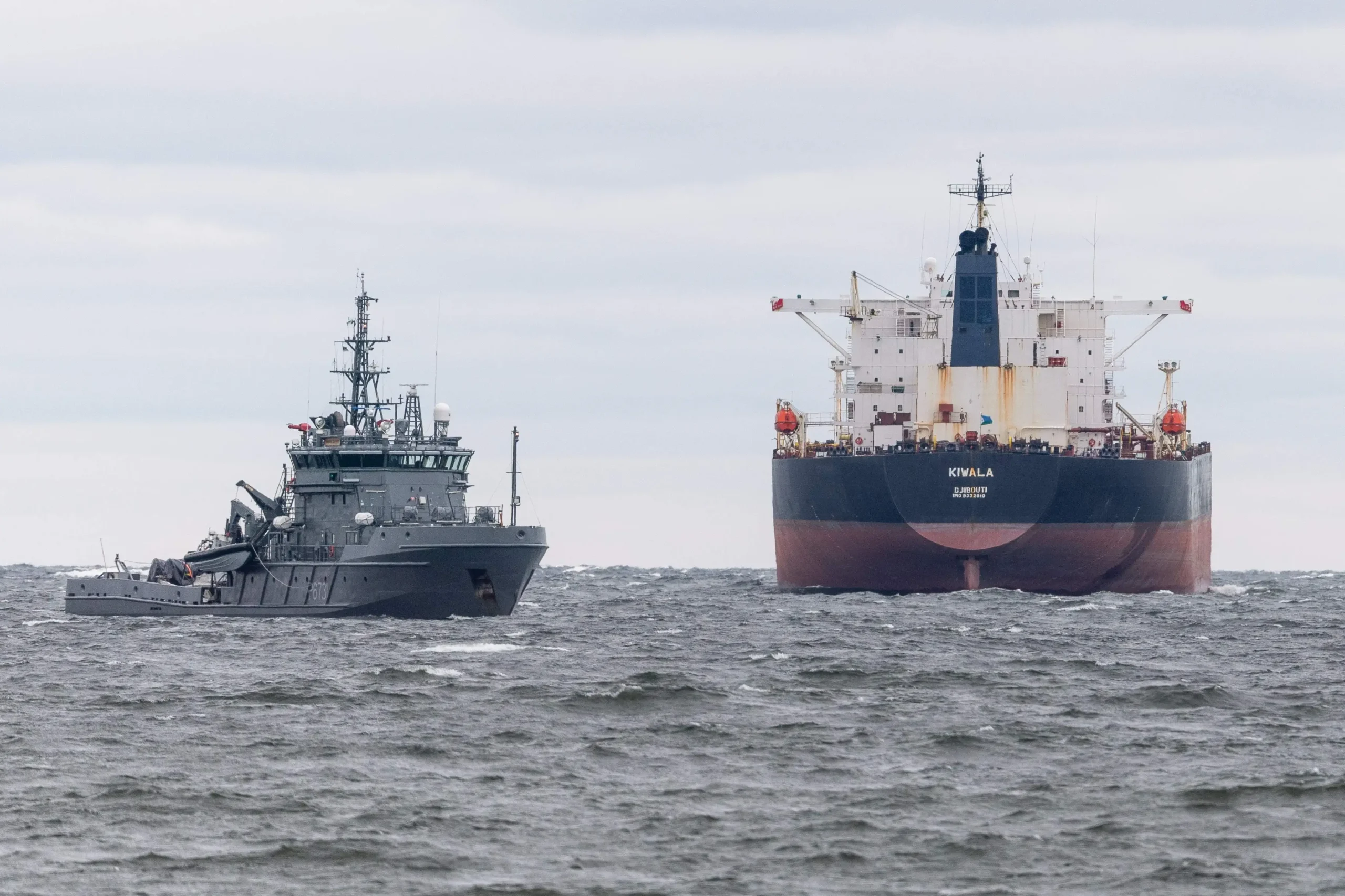
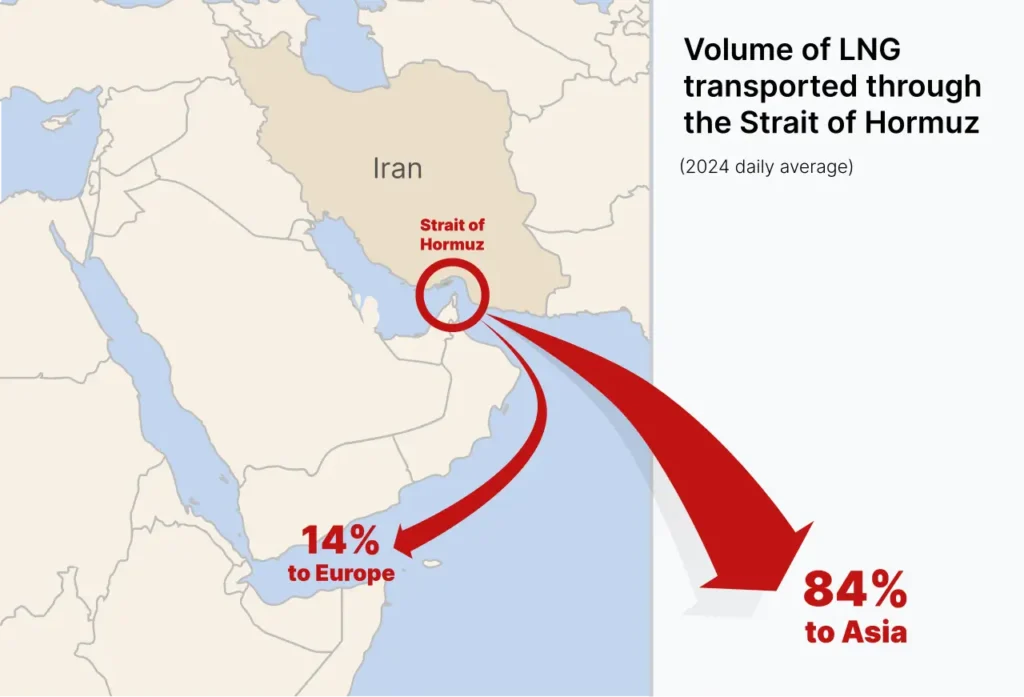
On the one hand, the Strait logged just four ship transits on 3 March, against a normal 138 per day. Major container lines have suspended services entirely across the Middle East Gulf. Saudi Arabia, the UAE, Kuwait, and Iraq have collectively cut output by more than 6 million barrels a day as storage fills and exports back up. The UAE's largest refinery halted operations after a drone strike. A cargo ship was hit near Oman. Saudi Aramco's CEO called it "the biggest crisis the region's oil and gas industry has faced."
On the other hand, Brent fell from nearly $120 to below $82 in a single trading session on Tuesday—its steepest one-day drop in four years—after the IEA proposed the largest reserve release in its history, surpassing the 182 million barrels released after Russia's 2022 invasion of Ukraine. Markets also moved on Trump's signals that the conflict could end soon, though US officials walked those signals back within hours—and the Energy Secretary posted, then deleted, a false claim that the US Navy had already escorted a tanker through Hormuz. Hormuz remains closed.
Ukraine's fuel crisis lands on an economy already running on fumes
While Russia is cashing in, the Iran war-induced fuel price spike hits Ukraine's economy at a time when it was already counting the weeks until it runs out of funds.
Kyiv has enough money to last till early May, and a €90 billion EU loan is stuck behind Orban's April elections. The 2026 deficit is already €39 billion. A precarious situation for a country where all domestic revenue goes to defense and every civil function—from teachers to pensions—runs on foreign aid.
Then the Iran war happened. Ukraine imports 100% of its fuel at euro and dollar prices, so every global spike hits directly. Diesel prices went up 19%, and gasoline 12% in 13 days. February's inflation came in above the forecast at 7.6%, with fuel being one of the main culprits, and that was before the worst price surge. Pump prices are projected to reach 100 UAH ($2.29) at $100–$140 Brent—up from 62 UAH before the Iran war—and farmers are already paying an additional $22.75 per hectare as spring sowing starts.
Worse, not only are prices spiking, the sanctions mechanism designed to squeeze Russia's revenues is being loosened at exactly the moment Russia's revenues are surging. The EU also shelved its plan to lower the Russian oil price cap from $60 to $45.
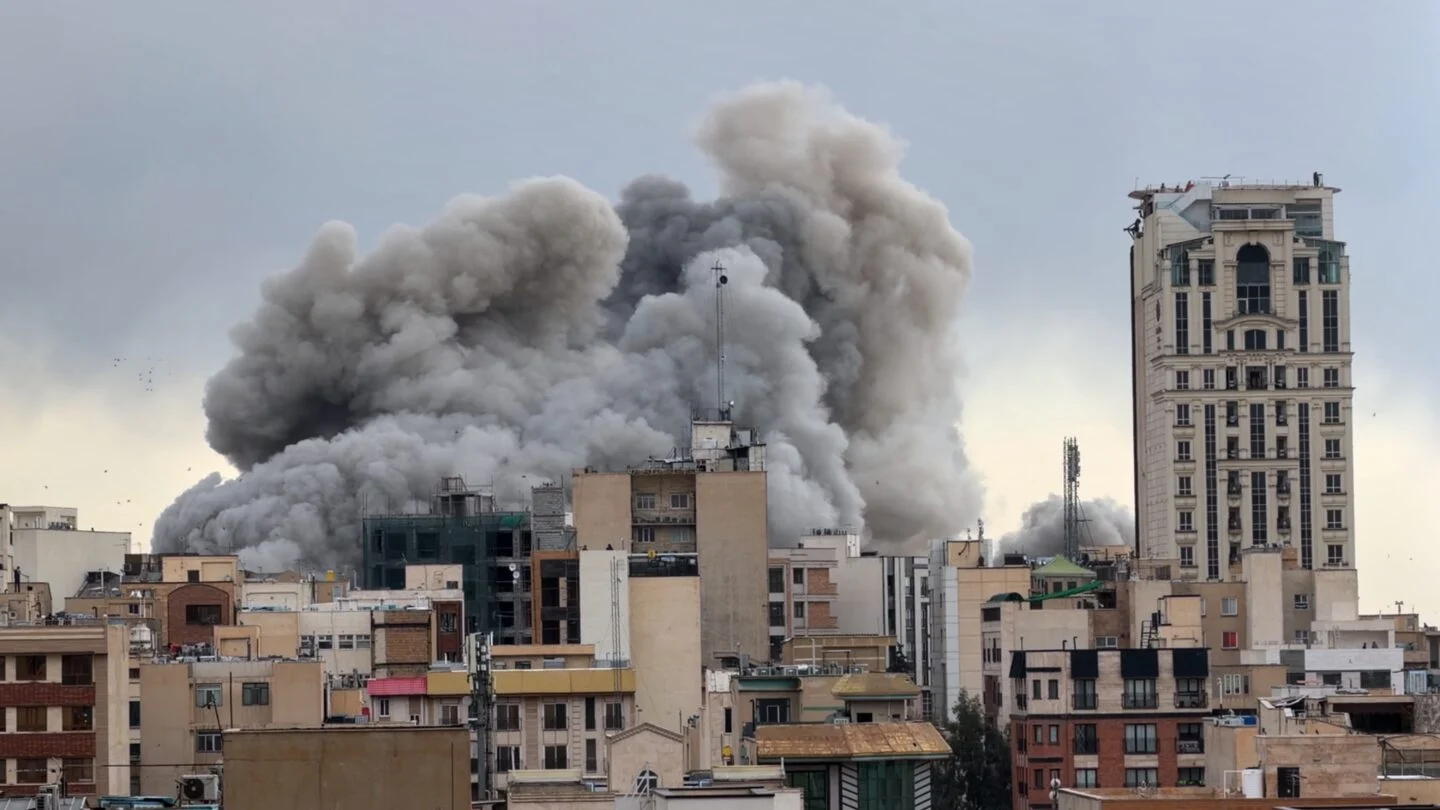
Russia spent three years trying to break Western support for Ukraine—then Iran did it in a week
THE GEOPOLITICAL SIDE OF THINGS
Will the Iran war draw political attention away from Russia's war on Ukraine?
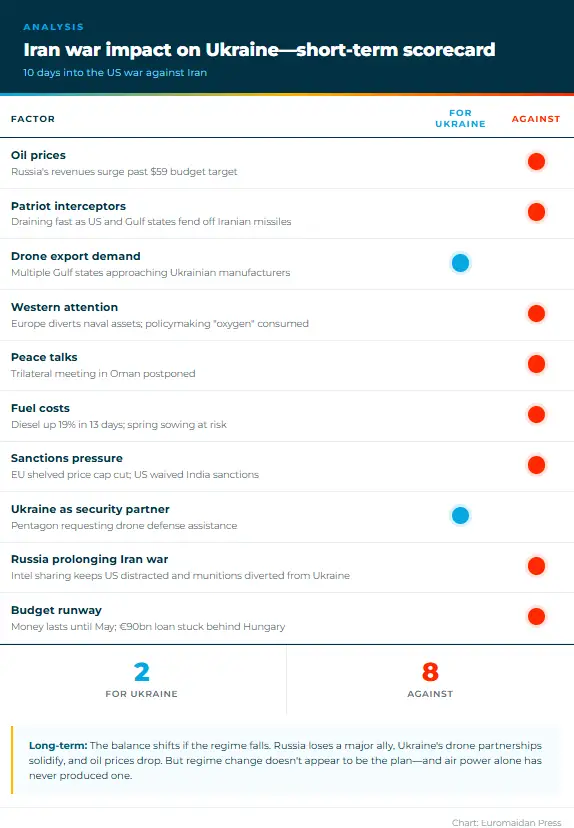
The obvious answer is yes. The attention of the media and of European and US governments is already being pulled away. All you have to do is look at the front pages of the last 10 days. However, if you look in more detail, the picture is far from simple, and far from entirely negative for Kyiv, particularly longer-term.
On the one hand, one concrete negative example was the immediate postponing of the peace talks between Ukraine, Russia, and the US planned to take place in Oman last week.
"Right now, because of the situation around Iran, there are not yet the necessary signals for a trilateral meeting," Ukrainian President Zelenskyy explained.
Politically, there is now yet another issue for the EU to try not to fall out over with the US President. It is already a very congested field: this was illustrated by the very soft comments and behavior of German Chancellor Friedrich Merz during his visit to the White House last week. Sitting next to Trump in front of the world media, Merz—by many considered to be Europe's "leader"—chose not to comment on Trump's grossly reductive comments on Spain, the UK, and Ukraine. The US President basically placed equal blame on Ukraine and Russia for the war and the lack of progress in negotiations. As Politico reported, "Germany's Merz sits powerless as Trump attacks European allies in Oval Office."
On the other hand, if Ukraine's capability to efficiently and cheaply intercept Iranian drones comes into play for real, this could make Ukraine a "player" in international politics.
"We received a request from the United States for specific support in protection. We help to defend from war those who help us, Ukraine, bring a just end to the war" with Russia, Zelenskyy has explained.
Potentially, Ukraine would go from "a poor cousin we feel that we ought to help" to a security provider, a real partner that contributes to the security of the West as well as a string of Western partners—and very rich partners—around the Gulf.
Ukraine playing a role in the defense of the West would also be an important factor when post-war security, Ukraine's relationship to NATO, as well as an EU army will be making their way onto the political agenda.
Longer-term
Right now, yes, Russia is benefiting from higher oil prices. But on the other hand—long-term, regardless of whether one supports the US bombing of Iran—there is not much for the Kremlin to be optimistic about. Which, in turn, is good news for Kyiv.
Russia will lose considerable influence and political prestige internationally if its close ally Iran is weakened. That is a certainty.
If the end game in Iran—as President Trump suggests—indeed turns out to be regime change, the political and prestige loss for Russia would be massive.
Putin has criticized the US attack heavily and directly. And it made headlines that Russia is "providing Iran with intelligence to hit US forces."
So far, though, Donald Trump—being Donald Trump—is downplaying Russia's help to Iran as "inconsequential."
"If you take a look at what's happened to Iran in the last week, if they're getting information, it's not helping them much."
But longer-term, logic dictates that the more Putin protests against the US attack on Iran, and even actively helps the Iranians in the war (with intel, for example), the less likely he is to keep Trump's backing when it comes to Russia's demands on Ukraine. But, please notice the word "logic"—we are talking about Donald J. Trump, so…
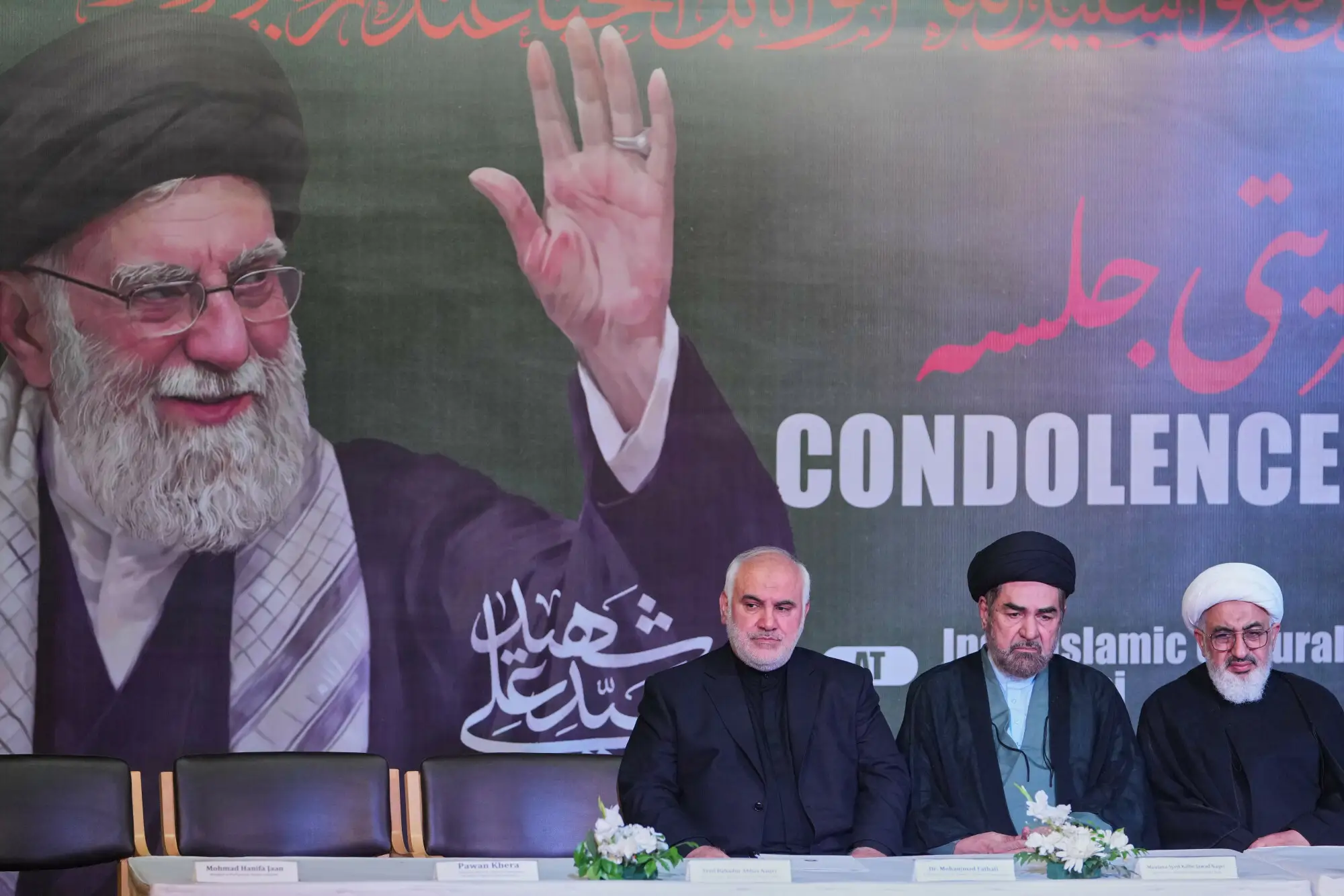
Russia’s allies keep dying. Russia keeps doing nothing. Defense analyst explains the Axis of Evil’s fatal flaw.
Summing up these many and complicated ifs and buts—how will the war in Iran impact Ukraine?
How long the war lasts will determine everything—and that depends on whether the regime falls—a goal the administration has never explicitly stated.
If it is short and the regime falls anyway, oil prices drop, Russia loses a major ally, and Ukraine's drone expertise becomes real leverage with wealthy new partners.
If it drags on, oil keeps funding Russia's war machine while draining the Patriot interceptors Ukraine needs to stop it—and Kyiv runs out of money before it can sell the interceptors others need to protect themselves.