
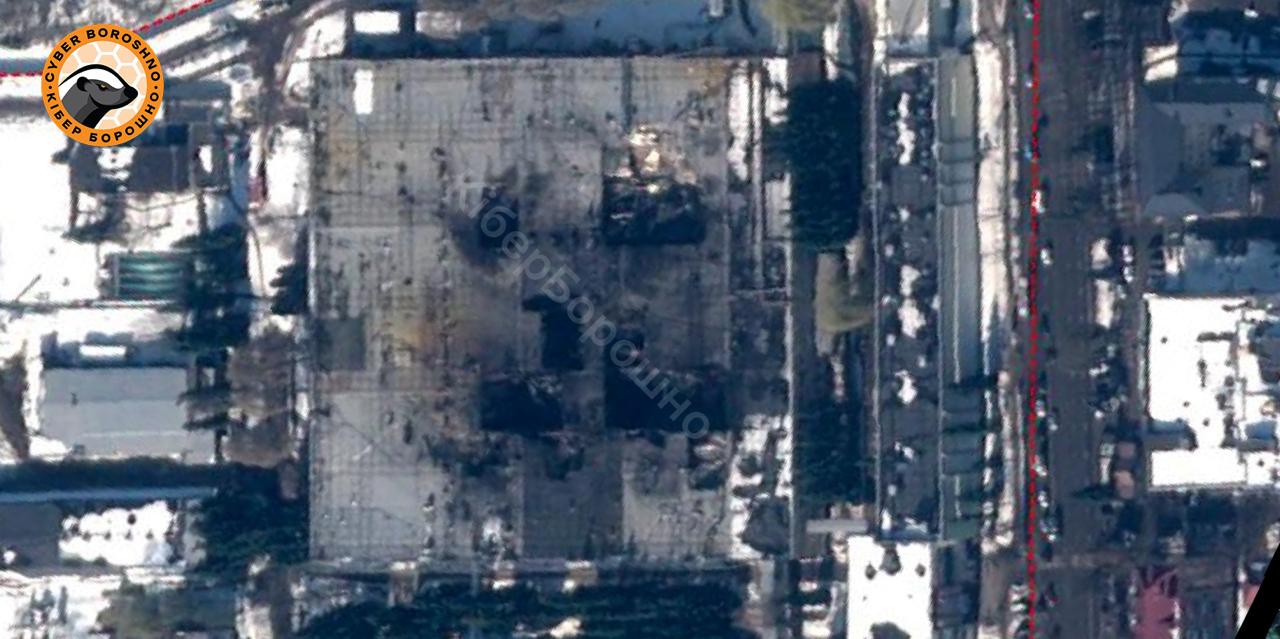
The strike on the Kremniy EL microelectronics plant in Bryansk will likely disrupt the production of new Iskander ballistic missile systems, says Serhii Kuzan, head of the Ukrainian Center for Security and Cooperation. Each missile carries about 500 kg of explosives against Ukrainian cities, as per Kyiv24.
According to him, the number of Russian missiles and other equipment could decrease in the near future.
Painful blow to Russia’s defense industry
Kuzan emphasizes that Ukraine has delivered a significant blow to the Russian military-industrial complex.
“The Kremniy EL plant is electronics. Electronics is where high technology lies, including missile engineering,” he says.
Not only Iskander: other Russian projects at risk
According to the expert, the consequences will extend beyond Iskander missiles. Russia may face additional difficulties integrating Western microchips obtained through gray supply chains.
Without this electronics infrastructure, it becomes harder to assemble guidance systems using imported components.
Kuzan says that this could also affect projects such as the Izdelie‑30 cruise missile, which could potentially be deployed on Sukhoi Su‑30 fighter aircraft.
Long-standing target for Ukrainian strikes
Kuzan notes that Kremniy EL has long been a priority target for Ukrainian operations. Previously, Ukraine struck the plant six to seven times, mostly using drones.
“After previous strikes the plant restored production relatively quickly. But this time we saw a combined missile strike that completely destroyed one of the workshops and damaged several other facilities,” he explains.
Storm Shadow strikes the main electronics workshop
On 10 March, units of the Ukrainian Defense Forces launched several successful strikes with Storm Shadow air-launched cruise missiles against the Kremniy EL plant in Bryansk.
The facility produced guidance and control systems for multiple types of Russian missiles, and the strike specifically hit the main electronics workshop.